
Erasmus+ 2027: Game-Changer for FE Students and Apprentices as 100k UK Participants Expected
- The UK has successfully agreed terms to join the Erasmus+ programme in 2027, widening opportunities for young people from all backgrounds, learners, educational, youth and sport staff to study and train abroad.
- The UK and EU also agreed to start negotiations on electricity market integration and set a deadline to agree a food and drink trade deal and carbon markets linkage next year.
- Strengthened UK-EU relationship continues to deliver for the British public with measures good for jobs, bills, and borders.
The UK and EU today announced a major package of agreements, including the UK’s association to the Erasmus+ programme in 2027, alongside moving forward on energy market integration and trade.
The agreement to join Erasmus+ in 2027 fulfils a key commitment made at the UK-EU Summit in May and will open up world-class opportunities for young people across the country. The Erasmus+ scheme was previously replaced by the Turing Scheme in the UK back in 2021.
Erasmus+ offers opportunities around education, training, youth, culture and sport for participants of all ages. Over 100,000 people in the UK could benefit from the scheme in the first year alone. Data shows that studying abroad can boost the career prospects of students, especially from disadvantaged backgrounds.
The programme will create educational and training opportunities for British apprentices, further education students and adult learners, as well as those in higher education.
The government will work closely with institutions and young people to maximise take-up – particularly among disadvantaged groups.
Opportunities available on Erasmus+ include further education students and apprentices going on work placements in leading European companies.
Last week, EU Relations Minister Nick Thomas-Symonds met with EU Trade Commissioner Maroš Šefcovič in Brussels to instruct teams to step up talks before the end of the year.
EU Relations Minister Nick Thomas-Symonds said:
“Joining Erasmus+ is a huge win for our young people, breaking down barriers and widening horizons to ensure everyone, from every background, has the opportunity to study and train abroad.
“This is about more than just travel: it’s about future skills, academic success, and giving the next generation access to the best possible opportunities.
“Today’s agreements prove that our new partnership with the EU is working. We have focused on the public’s priorities and secured a deal that puts opportunity first.”
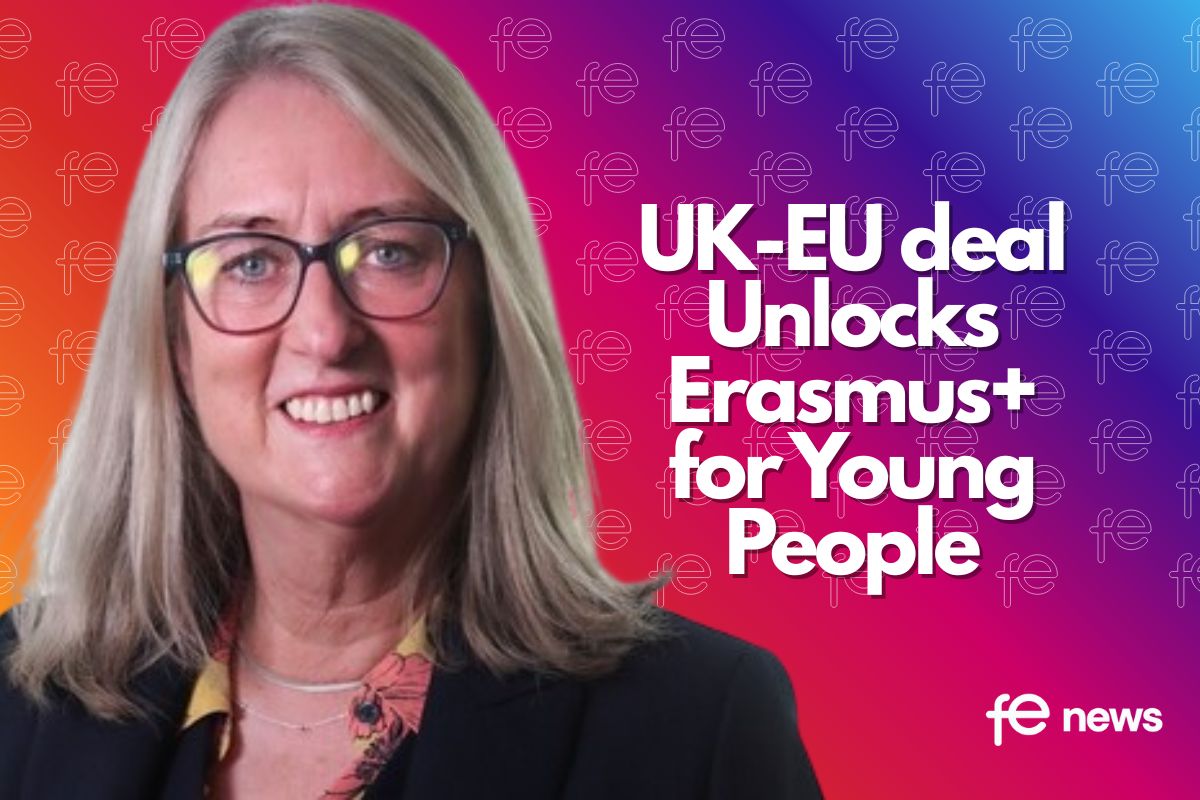
Minister for Skills, Baroness Jacqui Smith, said:
“Erasmus+ will open doors for thousands of students and staff right across the country in universities, schools, colleges and adult education.
“This is about breaking down barriers to opportunity, giving learners the chance to build skills, confidence and international experience that employers value.
“Through our Plan for Change, we are investing in young people’s futures and widening access to life-changing opportunities.”
Erasmus+ terms
The UK has negotiated financial terms that strike a fair balance between our contribution and the benefits the programme offers, including a 30% discount compared to the default terms under the Trade and Cooperation Agreement.
This ensures value for UK taxpayers while guaranteeing full participation benefits.
The UK contribution for 2027 will be approximately £570 million. This covers the 2027/28 academic year. Any participation in Erasmus+ into the next Multiannual Financial Framework will need to be agreed in the future and be based on a fair and balanced contribution.
Energy and Trade Progress
The UK and EU have also today agreed progress on talks that could lower electricity costs for British citizens and businesses, launching a detailed phase of talks on the possibility of the UK participating in the EU’s internal electricity market.
Closer cooperation on electricity will bring real benefits to businesses and consumers across the UK, drive up investment in the North Sea and strengthen energy security.
The UK and EU have also agreed to complete talks on the new food and drink (SPS) deal and carbon linking (ETS) agreement before the next UK-EU Summit in 2026.
Sector Reaction
David Hughes, Chief Executive, Association of Colleges, said:
“It’s brilliant news that the UK is rejoining Erasmus+. For both staff and students of all ages, the opportunity to travel and spend meaningful time abroad is so important. For students, it widens their perspective on the world, opening their eyes to different cultures and different ways of life, and for staff, the opportunity to learn from other countries on how they deliver technical education and skills is invaluable.
“I am sure colleges will be delighted that they can offer these opportunities to students and staff.”
Pepe Di’Iasio, General Secretary of the Association of School and College Leaders, said:
“It is great news that more young people will get to benefit from studying abroad and from other experiences through Erasmus+. The opportunities provided through this scheme, and the lifechanging impact that they can have, should not be underestimated. Our hope is that this will help to incentivise language learning in schools, something which has been at risk of decline in recent years, and put young people in the UK on an even footing with their European peers.
“In the time since the UK was last part of Erasmus+, we are concerned that these opportunities have become more limited. This has particularly been the case in the schools sector, with only a small percentage of applications to the Turing Scheme from schools and sixth forms being accepted. We hope this will now change, and that the government will do all they can to ensure young people have access to this scheme both during their time at school and as they progress through the education system.”
Responses