
Why Mentoring and Supervision Matter: Sustaining Standards and Wellbeing for Careers Professionals


Mentoring and supervision are often discussed as desirable additions to professional development in further education and careers work. In reality, they are increasingly central to workforce performance, professional identity and staff wellbeing.
Across career development, education, health and social care, mentoring and supervision have long been recognised as key mechanisms for reflective practice and continuous professional development. Yet in the field of career development, the evidence base for the benefits of mentoring remains relatively under-developed by comparison
To supplement this gap in the research, this article sets out why mentoring and supervision are essential elements of professionalism in career development work.
Why mentoring and supervision matter in FE and careers work
Career practitioners working in FE colleges, training providers and community settings operate in complex environments. They navigate the delecate balance between balance individual learner needs, organisational priorities, accountability frameworks and the emotional demands of their role.
In this context, mentoring and supervision serve different but complementary purposes.
Supervision supports:
- professional standards and ethical practice
- quality assurance and reflective learning
- practitioner wellbeing and resilience
Mentoring supports:
- professional confidence and identity
- learning through shared experience
- reflective sense-making at different career stages
Both are recognised and valued by the ethical and occupational standards for career development practitioners. Both contribute to safer, more confident and more effective practice, for clients and practitioners alike.
What practitioners value most
Evidence from careers work and parallel professions such as education, counselling and healthcare points to a consistent message from practitioners.
They value mentoring and supervision that:
- creates space to reflect on real cases
- offers thoughtful questioning rather than quick solutions
- provides practical insight that can be applied immediately
- recognises professional strengths as well as development needs
What they value least is role confusion. When mentoring, supervision and line management blur into one another, trust is reduced and learning is constrained.
Clarity of purpose and boundaries is therefore not bureaucratic; it’s enabling.
Models matter less than conditions
Much of the theory and structure underpinning mentoring and supervision originates from clinical, educational and therapeutic disciplines. These models were not designed specifically for careers work, but their underlying principles remain relevant.
Effective approaches tend to:
- balance accountability, learning and emotional support
- adapt to career stage and professional confidence
- evolve over time rather than remain fixed
At the same time, the FE and skills landscape is changing. Distributed teams, digital delivery and workforce pressures have driven increased interest in:
- peer and group mentoring
- hybrid and digital mentoring models
- lateral supervision across disciplines
The evidence for some of these approaches is still emerging. However, the direction of travel is clear: mentoring and supervision are becoming more structured, more intentional and more closely linked to wellbeing and workforce sustainability.
The question for FE leaders and employers
The most important question is not which mentoring model to adopt.
It is whether organisations are creating protected, purposeful space for professional reflection.
Where such space exists, mentoring and supervision support:
- professional judgement and ethical confidence
- staff engagement and retention
- consistent quality in learner-facing practice
Where it does not, no professional framework or training course can compensate.
Looking ahead
Mentoring and supervision should not be framed as optional or informal support mechanisms. In FE and careers work, they are part of the professional infrastructure that sustains quality and people over time.
As the sector continues to face change, scrutiny and workforce pressure, investing in thoughtful, well-designed mentoring and supervision is not a soft option.
It’s a strategic one.
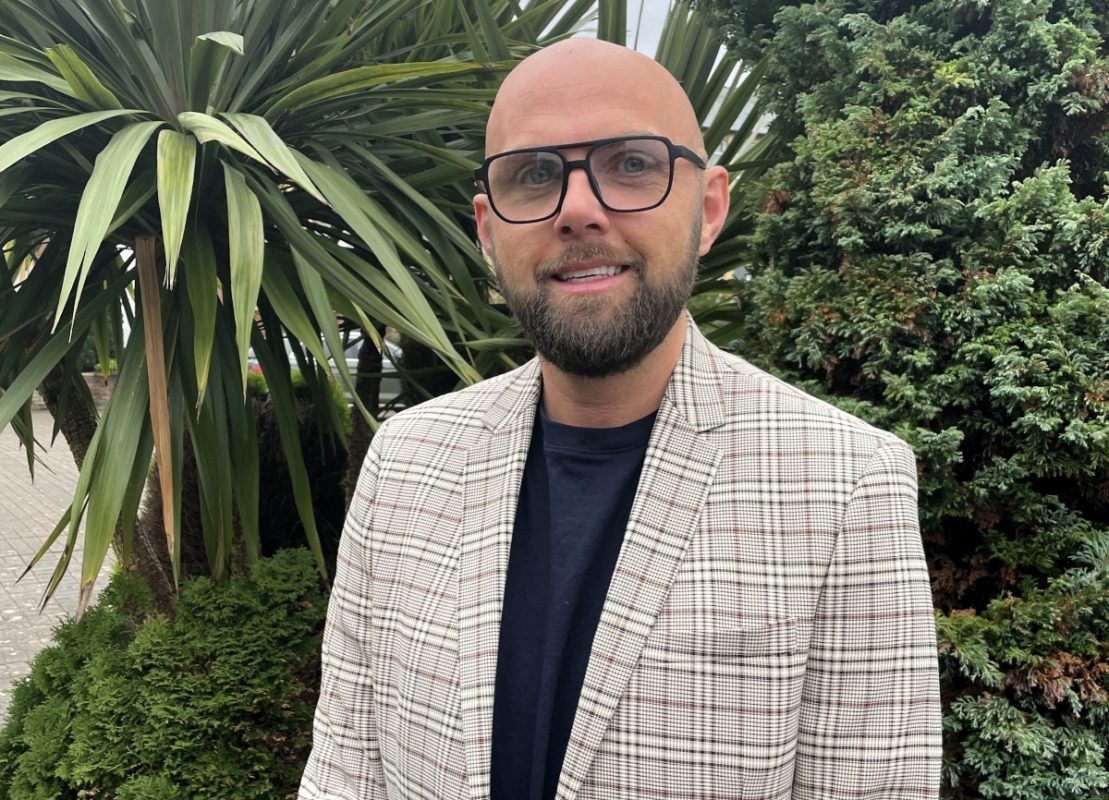
By Oliver Jenkin RCDP, CDI Senior Professional Development and Standards Manager












Responses