
Initial Teacher Training providers call for schools to prioritise mentor support and release time, as placement shortages are also highlighted in NASBTT survey

Over two thirds of Initial Teacher Training (ITT) providers have reported that mentors in their organisation have insufficient time within their workload to fulfil mentoring responsibilities effectively.
With 48% of NASBTT members also describing their organisation’s current capacity to provide mentors for trainees as “just sufficient but stretched”, the latest ITT Insights Survey found that teacher workload, staffing shortages and competing school priorities are the top three barriers to mentor capacity in schools. And, when asked ‘To what extent do mentors in your organisation have sufficient time within their workload to fulfil mentoring responsibilities effectively?’, 68% said “to a limited extent” or “to a very limited extent.”
With 75% of respondents having “sufficient” or “more than sufficient” mentor availability across their partnership, and another 83% being “somewhat confident” or “extremely confident” that mentors are adequality prepared for their role, mentor support and release time appear to be the defining issues now facing trainee teachers.
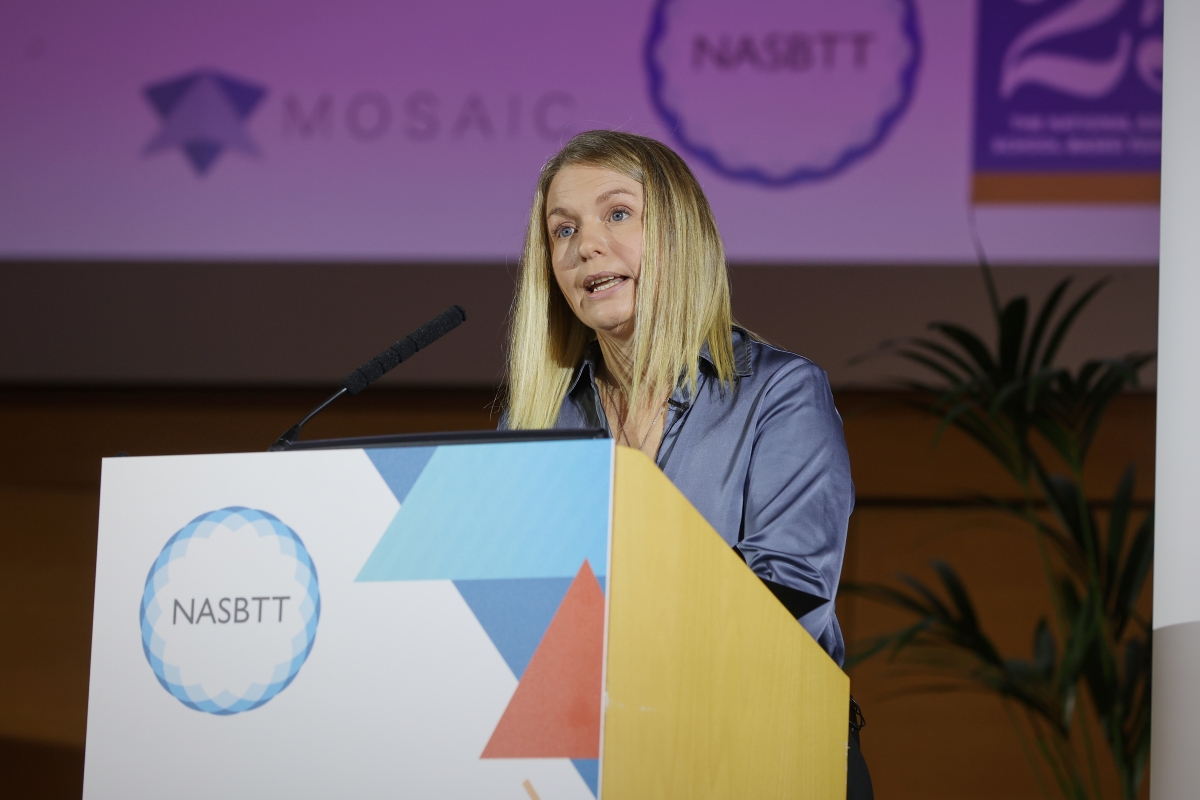
NASBTT CEO Emma Hollis said:
“Mentoring is a cornerstone of effective teacher training. If we are serious about ensuring every trainee receives high-quality support, we need to encourage schools to prioritise release time and support for mentors where possible.”
Separately, 57% of ITT providers reported that securing placements for trainees had become “worse” compared with previous years, and 38 respondents highlighted secondary as the phase that was most difficult to find placements for. Placements are hardest to secure in MFL, Art & Design, DT, Computing, Science, Mathematics, Business, PE and Performing Arts.
“Our members have told us that the barriers are small department sizes, limited mentor availability, high demand for bursary subjects, and regional competition,” Emma explained. “Secondary issues include specific year group constraints (Key Stage 4/5), post-16 timetable pressures, and languages that are less commonly taught. One common suggestion from our members is for financial incentives or grants for schools hosting trainees, as well as additional support for mentor time and training, which is also needed.”
NASBTT members were also asked how they felt about the Schools White Paper, Every child achieving and thriving, from an ITT/teacher training perspective. The majority, 45%, were “somewhat positive”, and could see potential benefits but have some reservations. Yet, with financial headaches, providers are more focused on the immediate term: 83% of respondents described their organisation’s current financial position as “under some pressure” or “under significant pressure”, and 66% are “not confident” that they could absorb a significant financial shock. Trainee recruitment levels, funding rates for ITT, and staffing costs were identified as having the greatest impact on their financial viability.
Emma reflected:
“The latest NFER School Teacher Labour Market in England Annual Report shows that recruitment into ITT has increased significantly in 2025/26 and providers are doing everything they can to put teachers into classrooms. However, our survey paints a clear picture of a sector under sustained financial strain – this issue is not limited to small providers but affects providers of all sizes – and that inevitably has the potential for knock-on effects for the wider schools system. Providers are already making difficult decisions, including reducing staffing, moving provision online, and in some cases closing low-recruitment subjects. Whilst the sector is working hard to protect quality, these measures can potentially limit the breadth of expertise available to trainees and reduce opportunities for in-person, specialist input, which could set us back. School-based ITT providers are clearly doing amazing work, but our members are asking for greater and more reliable financial support from government, and have emphasised the importance of stronger financial incentives to attract trainees, particularly in primary education, where bursaries are currently limited.”
ITT providers also detailed the actions that they are currently taking, or considering, to improve their organisation’s financial sustainability – and the forms of support they think would make the greatest difference.
“What we are seeing very clearly is that diversification of provision is the most common strategy and this is a strategic move,” Emma explained. “Providers are expanding into areas such as NPQs, apprenticeships and wider CPD not simply to grow, but to stabilise income in the face of volatile recruitment and funding uncertainty. It is normal within any business to seek diversification opportunities, however, our members are also looking for the Department for Education to address issues that current funding levels often do not cover the full cost of delivering ITT programmes. This includes direct funding or per-trainee grants for providers; continued funding for lead mentors, mentors and ITaP; funding for quality assurance, compliance and curriculum delivery; earlier and more predictable grant announcements; and additional funding to reflect rising operational and staffing costs. ITT providers have expressed a desire for greater long-term support and stability.”
Responses