
Strong foundations: What the Big Student Survey reveals about student induction

The Big Student Survey from Borders College provides a comprehensive insight into students’ induction experiences at the start of the 2025/26 academic year. With feedback from 126 students across all delivery areas, the report offers a clear picture of what is working well and where further focus could enhance the student experience. Overall, the findings point to a strong, supportive induction process that helps students feel informed, welcomed, and confident as they begin their studies.
Students reported high levels of clarity around course expectations, access to learning resources, and the availability of support. Positive relationships with teaching staff and a strong sense of community were recurring themes throughout the survey. Importantly, the inclusion of safety, wellbeing, and equality-related questions provides valuable baseline data to inform future improvements.
The survey results show that students are beginning their courses with a strong sense of clarity and confidence. The vast majority of respondents understood what their course involved and what would be expected of them, indicating that induction is effectively setting academic expectations from the outset. Clear communication around timetables, learning materials, and assessment requirements appears to be helping students feel organised and prepared during the critical early weeks of study.
Access to resources and digital systems also emerged as a key strength. Most students reported feeling confident navigating the campus, using college IT systems, and accessing online learning platforms. This suggests that induction activities focused on practical orientation and digital readiness are playing an important role in reducing anxiety and supporting independent learning, particularly for students new to further education environments.
Relationships with staff were highlighted as one of the most positive aspects of the induction experience. Students consistently described staff as welcoming, supportive, and approachable, and nearly all respondents felt they had enough time with teaching staff to support their learning. This early relationship-building appears to be central to students’ confidence and sense of belonging, reinforcing the value of staff visibility and availability during induction.
A strong sense of community, safety, and inclusion was another significant theme. Most students reported feeling safe on campus and online, comfortable being themselves, and confident asking for help if they were struggling. The data suggests that induction is successfully communicating expectations around respect, wellbeing, and support, while also establishing trust in the college’s reporting and safeguarding processes.
At the same time, the survey points to opportunities for further development. Awareness of careers services, student clubs, and formal routes for student feedback was lower than in other areas. This indicates that while information may be provided during induction, some messages may benefit from reinforcement later in the term to ensure all students feel able to engage fully with wider college life and progression opportunities.
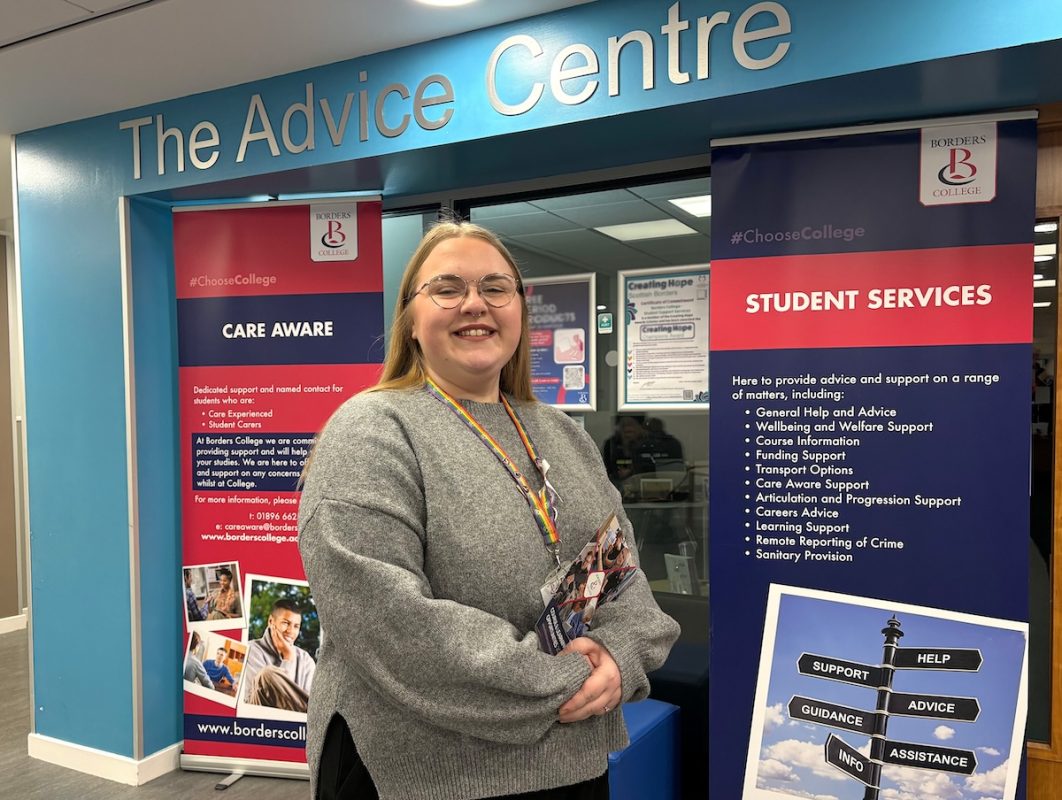
Reflecting on the findings, Eilidh Forrest, Students’ Association Support Officer, noted:
“The results show how important it is to make induction feel supportive and human. Taking time to explain expectations, check in with students, and build relationships early on clearly helps students feel confident and ready to learn.”
Overall, the survey demonstrates that a structured, inclusive, and well-communicated induction process can have a lasting positive impact on students’ confidence, engagement, and sense of belonging, while also highlighting where continued communication and follow-up can strengthen the experience further.
Responses