
Exploring Neurodiversity Podcast – Funding Fears with Karl Bentley
Welcome to Episode 3 of the #ExploringNeurodiversity podcast, a co-produced podcast mini-series brought to you by @FENews and @CognAssist. In this episode your hosts Gavin…

Neurodiversity encompasses the spectrum of natural neurological differences in human cognition, spanning sociability, learning, attention, mood, and various mental functions. This term encompasses conditions like autism, ADHD, dyslexia, dyscalculia, and other neurological diversities.
Viewed as an asset, neurodiversity fosters heightened creativity, problem-solving skills, and the cultivation of unique talents. It underscores the importance of understanding and accepting neurological differences rather than attempting to “fix” them.
But why is neurodiversity considered an asset?
Neurodiversity is seen as an asset because it brings forth increased creativity, problem-solving ability, and the development of unique talents and skills. It emphasizes the importance of understanding and accepting neurological differences rather than attempting to ‘fix’ them.
And why is discussing neurodiversity in further education crucial?
Discussing neurodiversity in further education is crucial as it helps create an inclusive and supportive learning environment for all students. By acknowledging and understanding neurological differences, educators can ensure that their teaching is accessible to every student, regardless of their unique learning styles.
Moreover, addressing neurodiversity reduces stigma and promotes a culture of acceptance within educational settings.
Discussing neurodiversity in the workplace is essential for creating an inclusive atmosphere where individuals, irrespective of their neurological differences, feel acknowledged and respected.
So, how does neurodiversity contribute to innovation in the workplace?
Neurodiversity contributes to workplace innovation by fostering a range of thinking and processing styles. Celebrating the diverse ways in which individuals approach problem-solving leads to more innovative solutions, creative ideas, and enhanced team collaboration.
Ultimately, acknowledging and embracing diverse ways of thinking and processing information contributes to the creation of a more equitable and diverse workplace.
Welcome to Episode 3 of the #ExploringNeurodiversity podcast, a co-produced podcast mini-series brought to you by @FENews and @CognAssist. In this episode your hosts Gavin…

A Children’s story podcast that highlights the traits young people may see in those with #ADHD, #Dyslexia and #Dyspraxia has launched in the UK. ‘Poppy…
Welcome to Episode 2 of the #ExploringNeurodiversity podcast, a co-produced podcast mini series brought to you by @FENews and @CognAssist. In this episode your hosts…
Welcome to Mythbusting and removing barriers, Episode 1 of the #ExploringNeurodiversity podcast with @CognAssist: Mythbusting in Neurodiversity is all about removing barriers for learners, educators, teams…

There are apprentice placements to match the strengths and talents of all. There is something for everyone –for those with analytical, caring, science, practical or…
Cognassist (@CognAssist) is incredibly proud to offer The Neurodiversity Masterclass, a free endorsed learning programme in neurodiversity. A series of six seminars, this masterclass is designed…
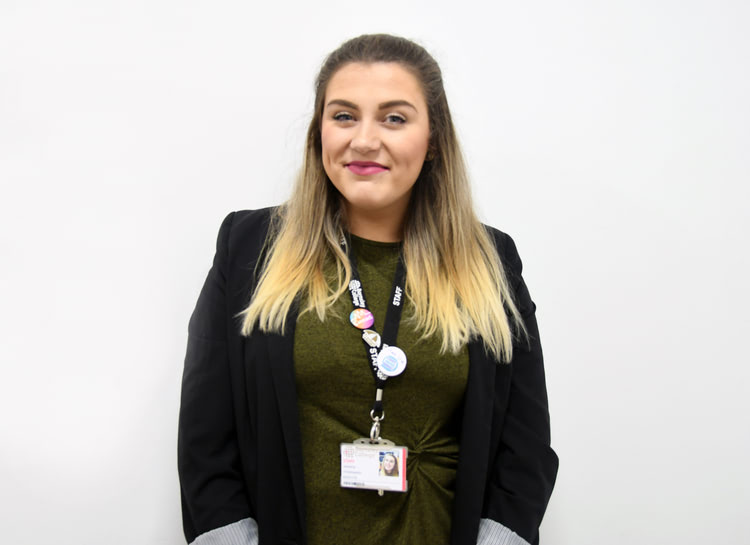
Talent United, the employer engagement initiative run by @BarnsleyCollege, will host a free virtual masterclass on Wednesday 14 October, 1.30pm to 3.00pm. Kate Dean, Director…

My introduction to neurodiversity was when I was diagnosed with dyslexia at university. The term “neurodiversity” is used to describe the cognitive diversity of the…

#Neurodiversity – The rationale for positive person-centred framing Neurodiversity is a term that is increasingly being used to embrace a number of conditions such as…
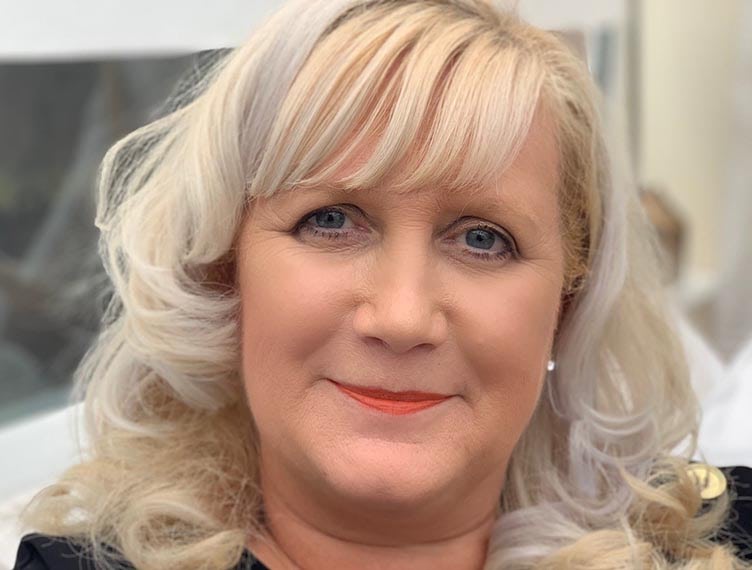
In my role as Professional Development Manager at Halesowen College, and lead trainer for Autism, I had the privilege to present my work at #SETCONF19…
Please confirm you want to block this member.
You will no longer be able to:
Please allow a few minutes for this process to complete.