
Landmark report calls for Government action as it reveals nature’s lasting impact on young people

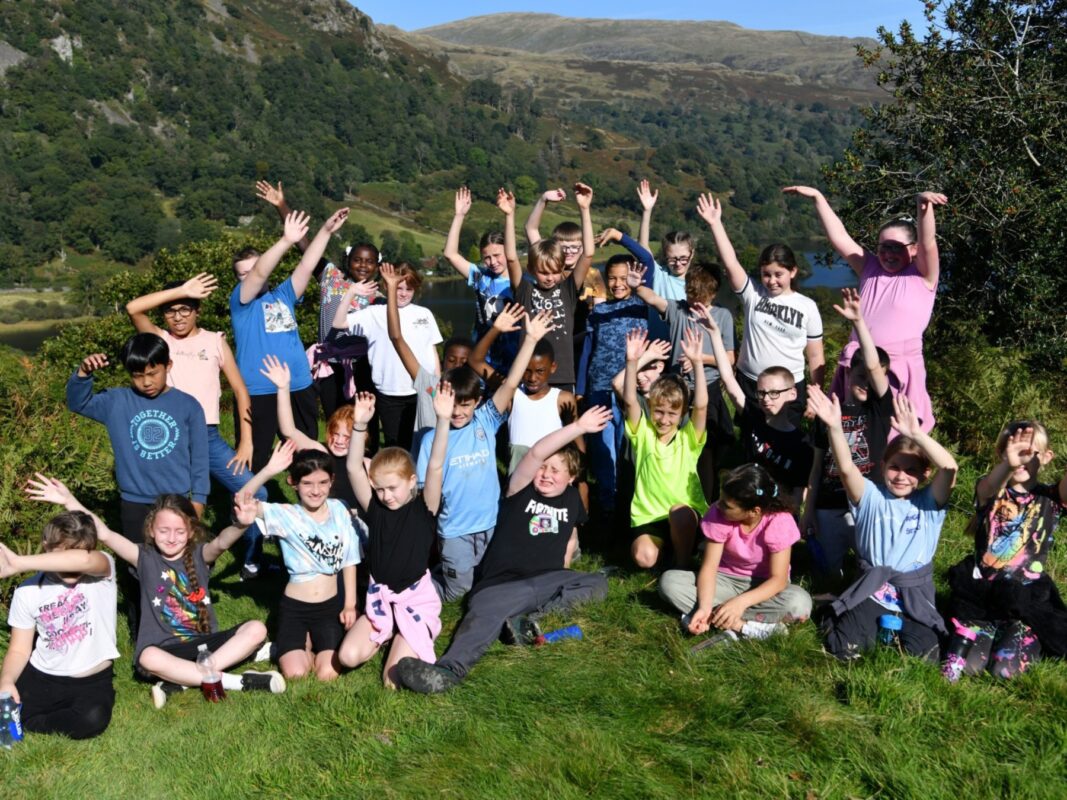
A new report has revealed the powerful impact of immersive nature experiences on the wellbeing and environmental awareness of young people, particularly those from disadvantaged groups.
The project, led by researchers at the University of Derby, evaluated the Generation Green 2 initiative funded by the Department for Environment, Food and Rural Affairs (Defra) and delivered by Access Unlimited, a coalition of not-for-profit youth organisations, school residential providers, and organisations managing protected landscapes.
It found that connecting young people with nature leads to significant and lasting benefits in mental health, emotional resilience, and connection to the natural world.
The initiative was developed in response to growing evidence that children are spending less time outdoors and that access to green spaces remains unequal across some lower-income and ethnic minority backgrounds.
To address these inequalities, Generation Green 2 provided more than 26,000 young people aged between nine to 17 years old in England with opportunities to explore national parks, national landscapes and sites of special scientific interest.
Activities included multi-day residentials, day trips, and ‘nights under the stars’ – giving many the chance to experience the night sky free from light pollution for the first time.
The report, which included data from nearly 1,000 young participants and follow-up data three months later, found a range of immediate and longer-term benefits.
While both day and residential trips had a positive impact, the day trips provide short-term boosts in wellbeing and awareness of nature. In contrast, overnight residential experiences lead to more profound and sustained improvements in young people’s relationships with themselves, others, and the natural world.
Dr Caroline Harvey, Senior Lecturer in Psychology at the University of Derby and lead researcher, said: “We found clear evidence that time spent in nature can be truly transformational for young people. Beyond the immediate joy and excitement of these experiences, we saw deeper, longer-term changes in how participants viewed themselves, their relationships, and their role in the natural world.
“Nature connectedness is not just about spending time outside, it is about emotional and psychological bonds that can shape values, behaviours, and mental wellbeing in lasting ways. These findings underline the importance of ensuring all young people -regardless of background – have meaningful opportunities to access and connect with nature.”
Teachers who supported the trips described the experiences as transformative, noting significant increases in student confidence, resilience, and social development.
Many participants, some of whom had never previously seen wildlife up close formed strong emotional connections to nature and expressed a lasting desire to protect it.
One teacher reported that some students’ “whole outlook on school life changed” after taking part in the visits.
Using the Five Pathways to Nature Connection framework from the University of Derby, the evaluation showed that young people most often engaged with nature through emotion, sensory contact, and appreciation of beauty.
James Blake, Chief Executive of YHA (England & Wales) and Chair of Access Unlimited welcomed the report’s findings. He said: “This landmark report cements what the Access Unlimited coalition has long known, that immersive experiences in nature have a profound and lasting impact on young people’s wellbeing, resilience, and connection to the natural world.
“It also underpins our ongoing commitment to securing permanent funding so that all children, regardless of their economic background, can access these vital opportunities to explore, learn and thrive in nature.”
The project forms part of the Nature Connectedness Research Group at the University of Derby, which, by understanding and improving people’s connection to nature, aim to bring about associated benefits in wellbeing and conservation behaviour.
To support the research findings, members of the 15-strong Access Unlimited coalition have written an open letter to government, calling for sustained investment in nature-based experiences for young people, regardless of socio-economic background.
Responses