
Why Sustainability Must be Embedded in Education and why the FE Sector Should Lead the way

Gen Z and Gen Alpha make up the largest proportion of today’s student population and they care deeply about engaging with organisations that “do the right thing.” Those of us in positions of influence, especially within education, must listen and act. We must embed the skills and tools needed for the next generation to make positive steps towards environmental change.
At the same time, Environmental, Social and Governance (ESG) initiatives are rising up the government agenda, featuring heavily in both the UK’s new Industrial Strategy and Skills England’s recent reports. Businesses that act on ESG are increasingly more competitive, attractive to stakeholders, and eligible for new funding opportunities.
This makes it vital that educators not only teach sustainability but also live it. By leading the way as carbon-conscious organisations, FE providers can remain relevant, resilient, and profitable while empowering the workforce of tomorrow. Below are some of the ways First Intuition, an independent accountancy training provider, have implemented ESG initiatives and why it is important that the rest of the FE follow suit.
The role of Educators and Professionals
As educators, we have a unique opportunity to embed sustainable practices into business education and promote the values and skills that will shape the future economy.
At First Intuition we have integrated ESG and sustainability into our curriculum for many years. The role of finance professionals is rapidly evolving: Chartered Accountants are now expected to advise on the financial benefits of sustainable practices, from risk mitigation to regulatory compliance and long-term value creation.
This is the world we are preparing young people for, whatever their chosen pathway, and we must ensure we are equipping them with the right knowledge and mindset.
First Intuition’s ESG journey
We recognised that to credibly teach sustainability, we needed to model it ourselves. Over recent years, FI has built a structured ESG strategy, with sustainability as a central pillar, and we are proud to have been certified carbon neutral for 2025.
As a people-based business, our direct emissions are relatively low, which makes impactful change more complex. Major shifts, like new buildings or systems, take time, and must bring our supply chain with us. Other actions rely on behavioural change such as cutting down on single-use items like coffee cups, while some depend on technological evolution, like switching to renewable energy.
Here are some of the steps we have taken:
- Carbon offsetting with purpose
We invest in clean technology offset programmes that expand access to renewable energy in underserved communities. These schemes provide measurable carbon reductions while delivering social benefits, such as local training and employment opportunities. We see offsetting not as a substitute for action, but as a way to make a positive global impact while we transition. - Appointing a dedicated ESG Lead
We created a dedicated ESG Lead role, someone with the time and remit to assess our current position and guide our strategy. Crucially, this person had direct access to senior leadership, ensuring credibility, resource allocation, and buy-in from the top. - Building a cross-business ESG working group
This group represents all regions and departments, helping to identify existing activity, address gaps, and set collective priorities. - Measuring our carbon footprint
We partnered with an external consultancy to calculate our footprint using accredited protocols and to assess the impact of various business activities, as gathering data on energy, water usage, and air conditioning systems from landlords proved challenging. This process gave us a clear baseline and informed science-based targets aligned with the UN’s Sustainable Development Goal 12 on sustainable consumption and production. In many cases we had already implemented “easy wins” like energy-efficient lighting, reduced printing, and better equipment standby practices but we continue to make changes where we can. We have begun offsetting carbon emissions which allows us to help reduce worldwide emissions whilst we work on our own solutions, and going forward, data transparency will be a key factor in selecting new premises. - Engaging our supply chain
We introduced a supplier code of conduct and survey to understand their ESG progress and expectations. This insight now informs our contract decisions and helps us support our suppliers on their own journeys. - Embedding ESG into our culture
ESG is now included in every job description, discussed in team briefings, built into staff goals, and included in onboarding and training. Every business decision is expected to consider ESG impact.
We have learned that this work requires patience and persistence but every step builds momentum. By capturing and formalising the good practices already happening across our network, we have been able to embed sustainability at the heart of our organisation.
Why the FE sector should act
Embedding ESG in education is not just a moral duty, it makes sound business sense. For the FE sector, the benefits are clear:
- Student engagement
Today’s learners want to study with organisations whose values align with their own. Demonstrating genuine commitment to sustainability builds trust and loyalty. - Contract eligibility
Public sector contracts increasingly require ESG credentials. Many local authorities, NHS trusts, and government departments now ask for demonstrable carbon and sustainability policies in tenders. - Access to funding
Grants are available for sustainability projects, particularly those aligned with the DfE’s Sustainability and Climate Change Strategy. - Meeting workforce demand
As green energy and sustainability grow, so does the demand for professionals who understand ESG reporting, carbon accounting, and regulatory compliance. FE providers play a critical role in supplying this future-ready workforce.
Debunking common myths
Myth 1: “Our actions don’t matter.”
They do. Incremental changes add up and collective voices influence governments and industry. Sweden has cut CO₂ emissions by 72.6% since 2005 through cleaner energy. China cut its power sector emissions by 3% in the first half of 2025 through solar expansion. Even Amazon has reduced packaging waste due to consumer pressure.
Myth 2: “We’re not a manufacturer, so our emissions are low.”
True, but UK schools and colleges still contribute 9.4 million tonnes of CO₂ annually — about 20% of the UK power sector’s emissions. Small changes, like using power-saving equipment, recycling furniture, or introducing renewable power sources, can make a real difference.
Myth 3: “It’s too hard to calculate emissions.”
It can be complex, but accessible tools like the CarbonFootprint.com Calculator and WWF’s Footprint Calculator make it easier to start. Even estimates demonstrate intent and encourage engagement from staff and suppliers.
Myth 4: “We must be perfect.”
No organisation is perfect, but perfection is not the goal. Progress is. Every step, conversation, and policy contributes to a cultural transformation. Addressing global warming is a journey we all need to take together.
Final thoughts
As educators, we shape the workforce and business leaders of the future. We have a powerful platform to spark real change, not only by reducing our own emissions, but by giving the next generation the skills, mindset and ambition to build a sustainable world.
By acting now to embed ESG and move towards carbon neutrality, the FE sector can show leadership, strengthen its long-term resilience, and unlock new business opportunities.
At First Intuition, becoming carbon neutral is just one milestone on our wider ESG journey, but it sends a clear message to our students, staff, and partners: sustainability is not an optional extra. It is a part of who we are, and who we must all become.
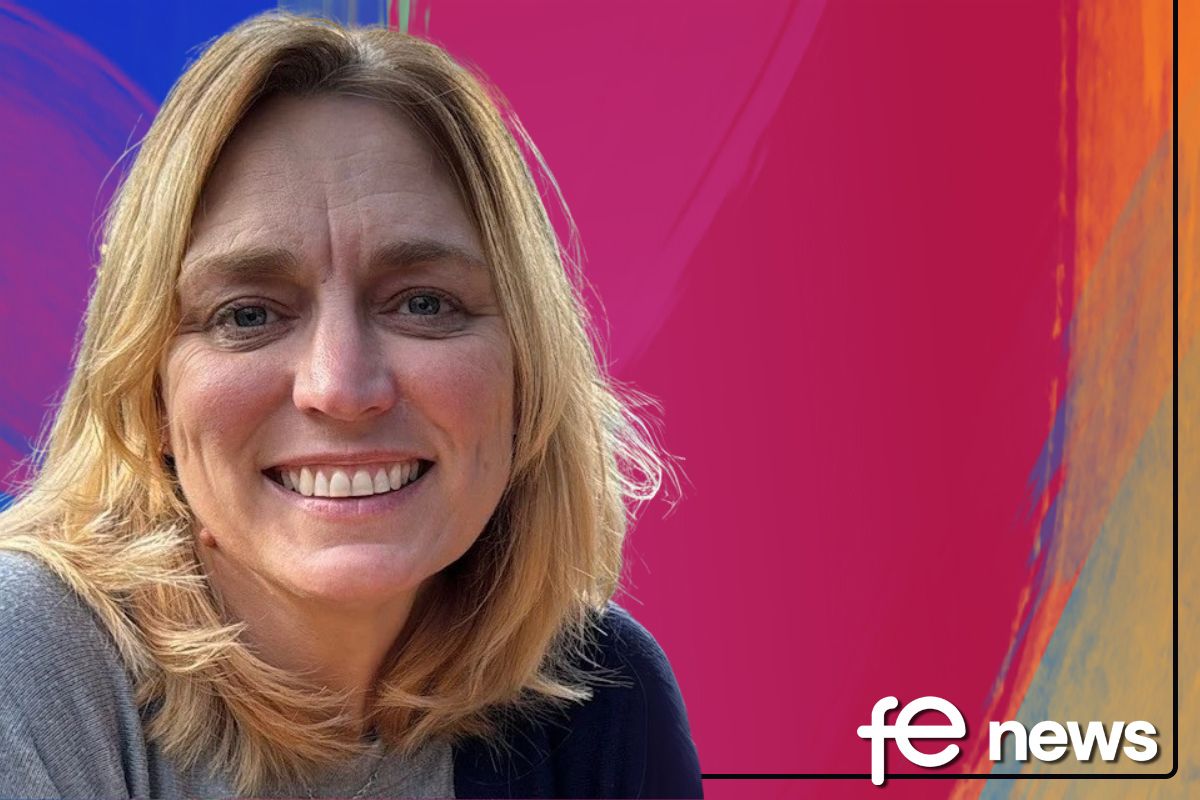
By Jo Dyson, Education Director and ESG Lead at First Intuition
Responses