
Ensuring Neuro-Inclusion for Learners and Staff

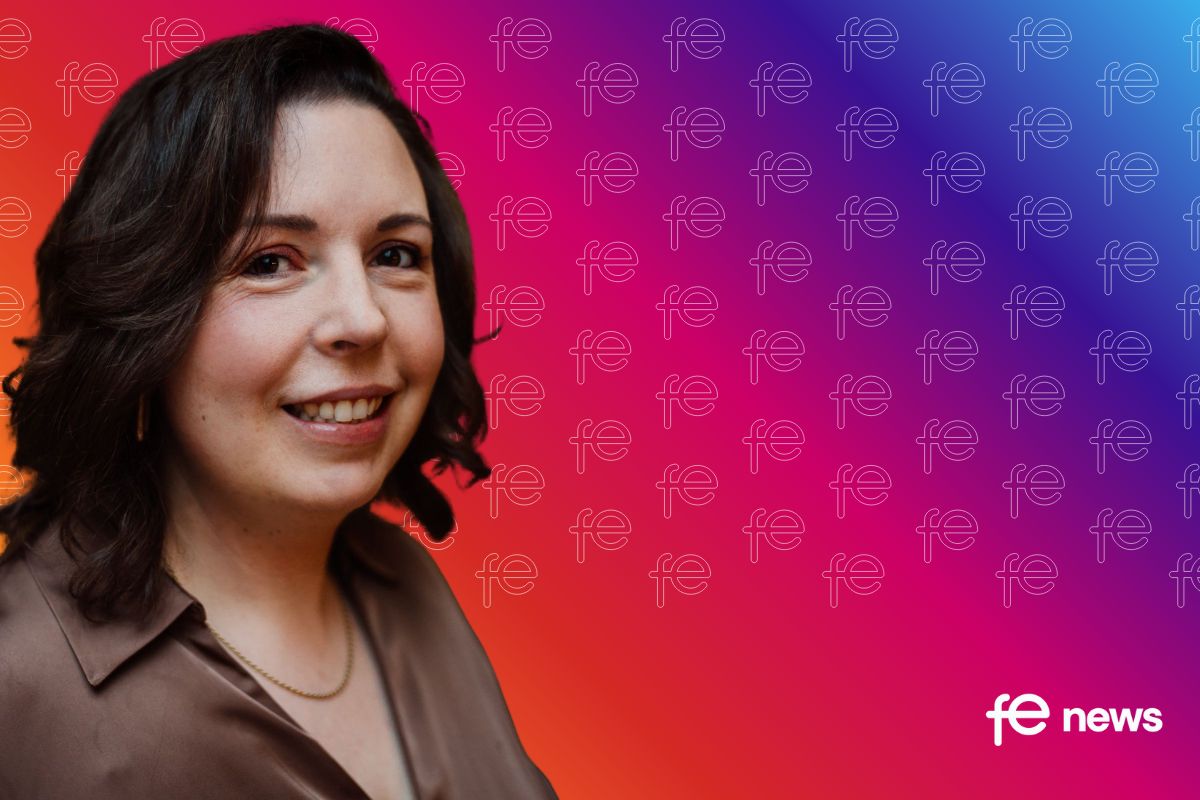
Sarah Vickrage of Fellowship of Inspection Nominees offers key recommendations to ensure neuro-inclusion is operationally embedded as opposed to being optional.
Neurodiversity may be in the spotlight, but neuro-inclusion is not simply about compliance or individual adjustments. It means designing neuro-affirming workplaces and learning environments that recognise cognitive diversity as the norm. As the sector faces pressure around recruitment, retention and learner success, neuro-inclusion is no longer optional but operationally essential.
Many neurodivergent people receive diagnoses in adulthood, often after years of struggling in education or employment, sometimes only when they begin apprenticeships. Late diagnosis often follows years of masking difficulties, compensating for challenges, or internalising feelings of failure. People may not even recognise their coping strategies as masking until burnout or loss of confidence hits. Many have previously been labelled disorganised or disengaged when they were navigating undiagnosed ADHD, autism or dyslexia.
Not waiting for formal diagnosis
By the time diagnosis arrives, if individuals ever reach the front of lengthy NHS waiting lists, many are already exhausted. We cannot rely on formal diagnosis before offering support. Inclusive practice must assume diversity of need rather than waiting for medical confirmation. Moving from a medical model towards a social model means recognising that environments, not individuals, often create the barriers.
Robust data is limited, but many providers recognise that apprenticeship routes often appeal to neurodivergent learners, meaning FE increasingly supports people who thrive when learning and working differently. Yet disclosure remains difficult. Staff may fear being seen as less capable or overlooked for opportunities, while learners worry about being judged by peers or tutors. Too often, people struggle in silence.
An inclusive culture should not make disclosure the gateway to support. Instead, environments should allow someone to say, simply, “I’m struggling with this,” and managers or tutors to respond, “Let’s look at what might help.” This requires moving from adjustments on request to universal support practices. Many accommodations, clear communication, predictable routines, flexible deadlines, recorded lessons or quieter workspaces, benefit everyone. Normalising flexibility reduces stigma and removes pressure to share personal information.
FIN’s recommendations
The Fellowship of Inspection Nominees recommends that a flexible approach should cover:
- Managers’ key role: Managers are often willing to help but lack training or confidence. Education that supports them understanding neurodivergent experiences, to recognise overload and to have supportive conversations is essential. Managers should feel able to suggest reasonable adjustments rather than waiting for staff to ask.
- Learning and working environment: Environmental barriers also matter. Noise, lighting, open-plan offices and confusing digital systems can all contribute to cognitive overload. Assessing workplaces and classrooms often reveals simple, low-cost changes, clearer processes, quieter zones or improved digital accessibility that significantly improve wellbeing and performance.
- Identifying hidden struggles: Inclusion also means recognising hidden struggles. People who appear successful may still battle executive function challenges, sensory overload or communication fatigue. Support should be based on need, not outward appearance. Terms such as ‘high functioning’ are particularly unhelpful, implying low support needs when individuals may be expending enormous effort simply to cope. This often leads to support being withheld or removed.
- Recognising ‘spiky profiles’: Neurodivergent people also commonly show ‘spiky profiles’, with strengths in some areas alongside real challenges in others. A learner may produce excellent coursework yet struggle with timed exams or a staff member may be highly creative but find administration difficult. This often leads to unfair assumptions: “If you can do this, why can’t you do that?”
When we get this right, everyone benefits. Retention improves, learners succeed and workplaces become healthier and more productive. Further education is uniquely placed to lead this change, not only supporting today’s workforce but shaping the next generation to be more understanding, inclusive and neuro-affirming. The next step is moving from awareness to action, creating safe environments where saying “I’m struggling” is met not with judgement, but with practical support.
By Sarah Vickrage, Fellowship of Inspection Nominees
Responses