
Putting over 2,000 young women on the path into tech: The initiative setting the blueprint for improved digital inclusivity

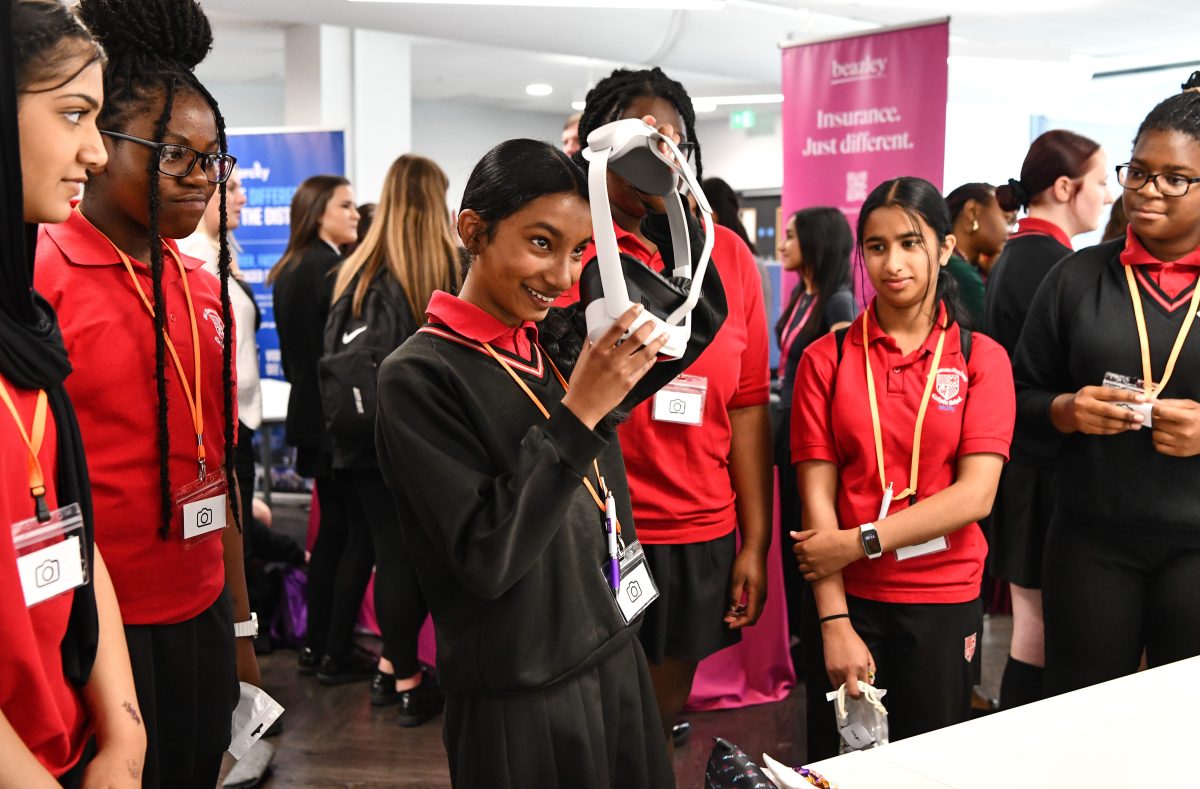
A national tech inclusivity programme marks a significant milestone this month, having opened the door to a digital career for over 2,000 young women since it first began.
Responding to the need for improved gender parity across tech and digital sectors, social value specialist Ahead Partnership’s programme ‘Girl Tech’ pioneered the charge for change in Leeds nine years ago, and is now supporting a record number of young women nationally.
Favoured by tech leaders and businesses, with national sponsorship from Netcompany and support from Optum, SCC, Sulzer, Tokamak Energy, Asda, Currys, Grainger Hub, and The University of Westminster, the unique model of the initiative, set to run throughout this month, offers a blueprint for successful youth engagement.
Providing tailored, hands‑on engagement at a critical point in a students’ academic journey, and facilitating introductions to business leaders and role models first hand, Girl Tech demystifies tech and digital for young women, and opens pathways into the sector.
Last year saw the national scale up of the initiative, expanding beyond Leeds and the West Midlands into London, the North-West and the North-East, against a backdrop of increased UK-wide demand for the promotion of gender inclusivity in the sector.
Against rising pressure to secure the skills pipeline required to meet the demands of AI adoption, Secretary of State for Science and Innovation Liz Kendall formed a taskforce at the end of last year which focused on boosting women’s participation in technology and innovation to ensure improved gender inclusivity in the AI revolution, and meet national skills shortages.
Speaking on the importance of representation, she said:
“When women are inspired to take on a role in tech and have a seat at the table, the sector can make more representative decisions and build products that serve everyone.”
New research from Skills England highlights that AI adoption could boost the UK economy by up to £400 billion by 2030, but warns that workforce readiness is not keeping pace.
Citing barriers of poor foundational digital literacy, fragmented training pathways and unequal participation, the report demands earlier and more inclusive routes into digital and AI skills training to unlock the UK’s economic potential.
With 90% of last year’s Girl Tech participants leaving with an interest in a digital career, those behind the scheme say its partnership model, focused on inclusive practices and targeted engagement, demonstrates how these challenges can be addressed.
Suzie Bell, Programme Manager at Ahead Partnership, said:
“As one of the fastest growing and most opportune sectors in the UK, we need to ensure young women are equipped with the right tools and knowledge to explore careers in tech at the right time in their academic journey.
“Against unwavering gender disparity across the field and growing demand for new skills and talent, we give women access to the right role models, information and resources ahead of making big decisions about their career pathways. We’re demystifying the sector in a way that ensures young women have equal access to the opportunities within it, no matter their background.
“Nine years since our first Girl Tech, the appetite among our partners and business volunteers to help shape a more inclusive future for the sector continues to grow, marking our biggest year of activity to date.
“At a critical point for the future of tech, this enthusiasm for change is encouraging; we’re committed to harnessing this drive for the benefit of the sector, the economy and all young people.”
Richard Davies, UK Country Managing Partner at Netcompany, said:
“Netcompany’s multi-year commitment to Girl Tech reflects our dedication to equalising opportunities within tech and digital sectors – a programme which has been consistently ahead of the curve and generates real results for young people.
“While Girl Tech has reached an important milestone, its true impact will be measured in the years ahead, as more young women step into careers in tech.”
Responses