
Unlocking potential: The importance of investing in young STEM minds
In this article, Theresa Palmer explores the importance of investing in young minds pursuing STEM. Highlighting the need for businesses and industries to embrace DE&I…

Diversity and inclusion is the practice of creating a workplace that honours and respects the unique differences among all individuals.
This includes, but is not limited to, race, gender, ethnicity, nationality, sexual orientation, age, disability, religious beliefs, educational background, and other characteristics that make us unique.
Diversity and inclusion helps us create a stronger, more equitable community, and can help us develop better solutions to the challenging problems we face. Ultimately, embracing diversity and inclusion leads to a more peaceful, connected, and prosperous world.
In the workplace, it is initiatives and practices aimed at creating a workforce that values and incorporates individuals with diverse backgrounds, characteristics, experiences, and perspectives. Diversity encompasses differences such as race, ethnicity, gender, age, sexual orientation, abilities, and more.
Inclusion, on the other hand, involves fostering an environment where every individual feels valued, respected, and has equal opportunities to contribute and succeed. These efforts contribute to a more innovative, collaborative, and equitable workplace culture.
In an education context, promoting diversity involves creating an inclusive and equitable environment where students, educators, and staff from diverse backgrounds feel welcomed and valued. It goes beyond demographic representation to embrace different learning styles, experiences, and cultural perspectives.
Inclusive practice in education promotes equality and supports diversity by actively recognising and accommodating the diverse needs, backgrounds, and abilities of all individuals within the learning environment.
Here are several ways in which inclusive practices contribute to equality and diversity:

In this article, Theresa Palmer explores the importance of investing in young minds pursuing STEM. Highlighting the need for businesses and industries to embrace DE&I…

To enable us to meet Net Zero we need to transform the way we build, but the UK construction sector is poorly equipped to meet…

This article highlights hiring challenges for neurodivergent candidates. Traditional methods exclude them, while inclusive practices like game-based assessments and AI implementation can promote diversity and…


“Education is the most powerful weapon which you can use to change the world.” – Nelson Mandela Education is a powerful tool that has the…

Business in the Community (BITC), The Prince’s Responsible Business Network, has today announced that more than 1,000 businesses have signed the Race at Work Charter,…

This week marks the start of South Asian Heritage Month, which aims to amplify and celebrate British South Asian heritage and history through education, arts,…
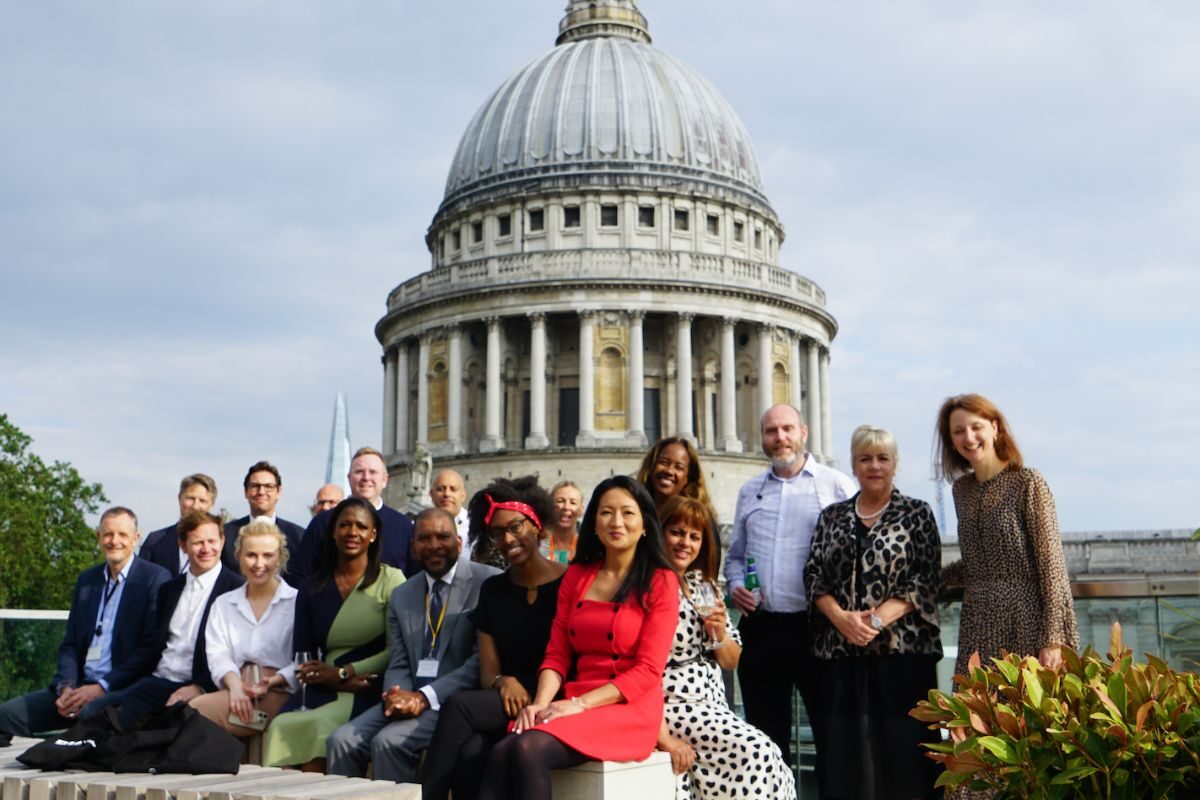
UK companies making “positive steps” on diversity, but new study finds that gender parity has stalled and age, sexual orientation and socio-economic status are lagging…

With the number of black college CEOs falling nationwide, Robin Landman OBE, director of Black Leadership Group, explains why we need a roadmap for ethnic…

Tech employers in the UK are facing a shortage of skilled workers and a lack of diversity in their technology teams. To address these issues,…

In this insightful Q&A, courtesy of The LGBT Speakers Agency, Inga Beale reflects on her role as the first female CEO of Lloyd’s of London.…
Please confirm you want to block this member.
You will no longer be able to:
Please allow a few minutes for this process to complete.