
the Freelance Education Framework launched

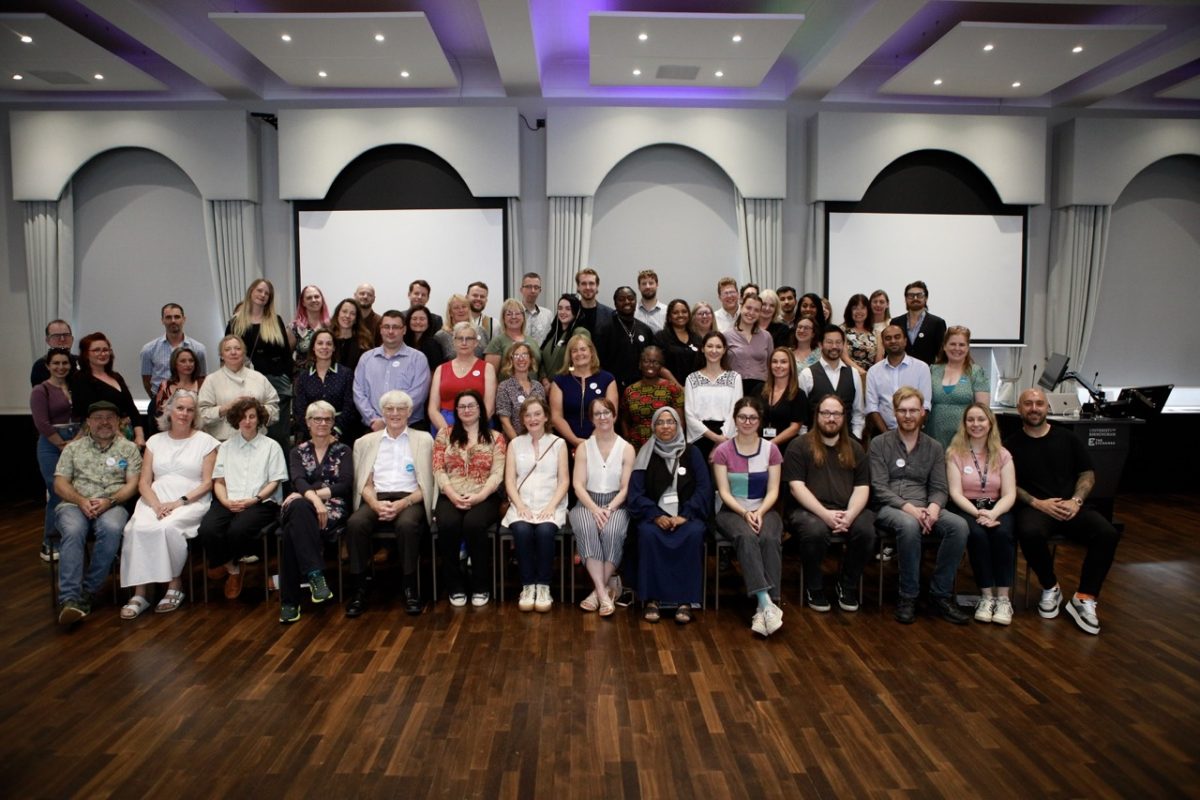
After two years of research, collaboration and countless conversations, the Freelance Education Framework was officially launched this week in Birmingham.
For those of us who have been involved from the beginning, it was much more than the launch of a new framework. It marked the start of a national movement to change the way freelance careers are recognised, supported and measured across education.
The event brought together an exceptional cross-section of higher and further education leaders, policymakers and freelance advocates, reflecting just how far the conversation around freelance careers has come. To see the room filled with so many people committed to improving outcomes for students and graduates was both humbling and hugely encouraging.
The Framework itself has been co-authored by leading educators from across the UK, with invaluable input from contributors, advisors and institutions who share a common ambition: ensuring freelance careers are treated as a legitimate and supported pathway, rather than an alternative or afterthought. It represents two years of challenging assumptions, sharing best practice and asking what meaningful freelance support should look like in modern education.
We were privileged to welcome an outstanding line-up of speakers who each brought a unique perspective to the discussion.
PJ Ellis, presenter, philanthropist and multi-hyphenated entrepreneur, opened the event with an inspiring keynote, challenging the audience to think differently about entrepreneurship, creativity and the role freelancers play in shaping our economy.
Prof. Catherine Dormor demonstrated how strategic leadership can embed freelance thinking across an institution, while Jo Living shared practical examples of creating opportunities that help students build sustainable freelance careers beyond graduation.
Alison Kent offered a fresh perspective from further education, proving that entrepreneurial thinking can and should begin long before university. Anneliese Paul highlighted how inclusive, practical support can give students the confidence to pursue independent careers on their own terms.
Nicola Gittins and a graduate from the University of Birmingham then explored the practical realities of preparing learners for the freelance economy, before delegates worked together in collaborative workshops to discuss how the Framework can be implemented across their own institutions.
Perhaps the most valuable part of the day, however, happened between the sessions. Collaborations exploring ways institutions can implement the framework and conversations over drinks to forge new connections. Long after the presentations had finished, educators exchanged ideas, challenged one another and began to form new partnerships. It reinforced something we’ve believed from the outset: no single institution has all the answers, but together we can raise the standard of freelance support across the sector.
And while the launch was a significant milestone, it is only the beginning.
Our next step is the formation of the Freelance Education Alliance – a national network bringing together Freelance Champions from colleges and universities to share ideas, benchmark progress, exchange best practice, campaign on the issues affecting freelance learners and graduates, and provide a stronger collective voice to influence policy.
The Framework provides the foundation. The Alliance will provide the community, collaboration and momentum needed to ensure this work continues to evolve. We know there is still much to do, but for the first time, freelance education has a shared direction, a growing network of champions and a platform from which to create lasting change.
Responses