
The Skills Sector Must Keep Its Voice Heard in a New Political Era

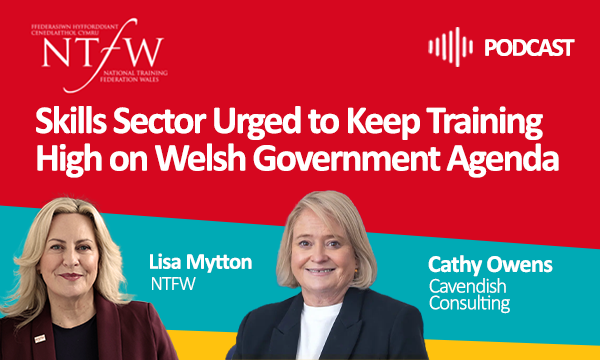
Listen here – https://businessnewswales.com/skills-sector-urged-to-keep-training-high-on-welsh-government-agenda/
Plaid Cymru has come into government with energy, momentum and a long list of ambitions. There is a sense of freshness around this new administration, and that should not be underestimated.
After more than two decades of Welsh Labour in government, Wales now has a different set of ministers, a different political culture and a different set of priorities competing for attention.
But a manifesto commitment is not the same as a funded policy, and the skills sector should be clear-eyed about the difference. For employers, training providers and the wider skills ecosystem, this brings both opportunity and risk.
The opportunity is obvious. A new government brings new ways to engage, new conversations and, potentially, new thinking about how Wales develops its economy. The Plaid Cymru manifesto spoke about “championing further education, strengthening vocational training and pathways, and giving learners real choice and clear signposting to their full range of options”. Those commitments are welcome, and many people across the sector will recognise priorities they have been calling for over many years.
The risk is assuming that because something is written in a manifesto, it will automatically remain at the top of the agenda once ministers are faced with the reality of government.
That reality arrives quickly – new ministers come into office with pledges, ambitions and political priorities, but they also arrive in front of civil servants who have to explain what is already being delivered, what each new commitment would cost and where the difficult choices sit. This is a new government with a highly ambitious programme, and it will have to decide what can be done immediately, what must be phased, and what may have to wait.
Skills cannot be allowed to drift into the latter category.
For many years, post-16 education, apprenticeships and employability have operated in a Welsh policy environment shaped by a Labour Government that placed a strong emphasis on skills as part of the economic agenda. That has influenced not only specific programmes, but the way the Welsh Government has thought about the relationship between education, employment and business growth.
There is now a new game in town. Plaid Cymru may have made positive commitments in this area, but the sector should not assume that the same instincts, habits and priorities will automatically continue. Higher education, the Welsh language, rural economies, ownership models, community wealth and other long-standing Plaid Cymru priorities will all be competing for political space.
That is why training providers, FE colleges, HE institutions, employers and the wider skills community need to make the case clearly, consistently and collectively.
This is not about lobbying for the sake of lobbying. It is about ensuring that new MSs, returning MSs, ministers and deputy ministers understand what the sector already delivers, where the pressure points are, and what the economy needs from the skills system over the next four years.
It is also about showing how skills connects to the wider economic choices this government will have to make. If Wales wants to grow Welsh-owned businesses, support SMEs, strengthen rural economies, develop new industries, invest in renewables, respond to opportunities in advanced manufacturing or build talent pipelines for emerging sectors, it will need people with the right skills in the right places. That cannot happen without training providers, colleges, universities and employers working together.
The next six to 12 months will be important. This is the period in which ministers will be finding their feet, priorities will be sharpened, and manifesto language will begin to meet budgetary reality. It is also the period in which stakeholders need to be visible, constructive and persuasive.
The sector needs to explain what is working well, where improvements are needed, and what should be protected as ministers begin making choices. It should bring evidence, examples and practical solutions. It should also be ready to work with the new government’s priorities, not simply ask for the previous agenda to be carried forward unchanged.
My message to training providers, employers and everyone working across post-16 education and skills is simple: do not rest on your laurels.
There are positive commitments on the table, but they now need to be turned into funded, deliverable priorities. That will only happen if the sector continues to make the case for skills as central to Wales’ economic future, and does so with clarity, evidence and persistence.
by Cathy Owens, Director, Cavendish Consulting
Responses