
Salford researcher launches free tool to show teenagers how to access Britain’s fastest-growing green jobs

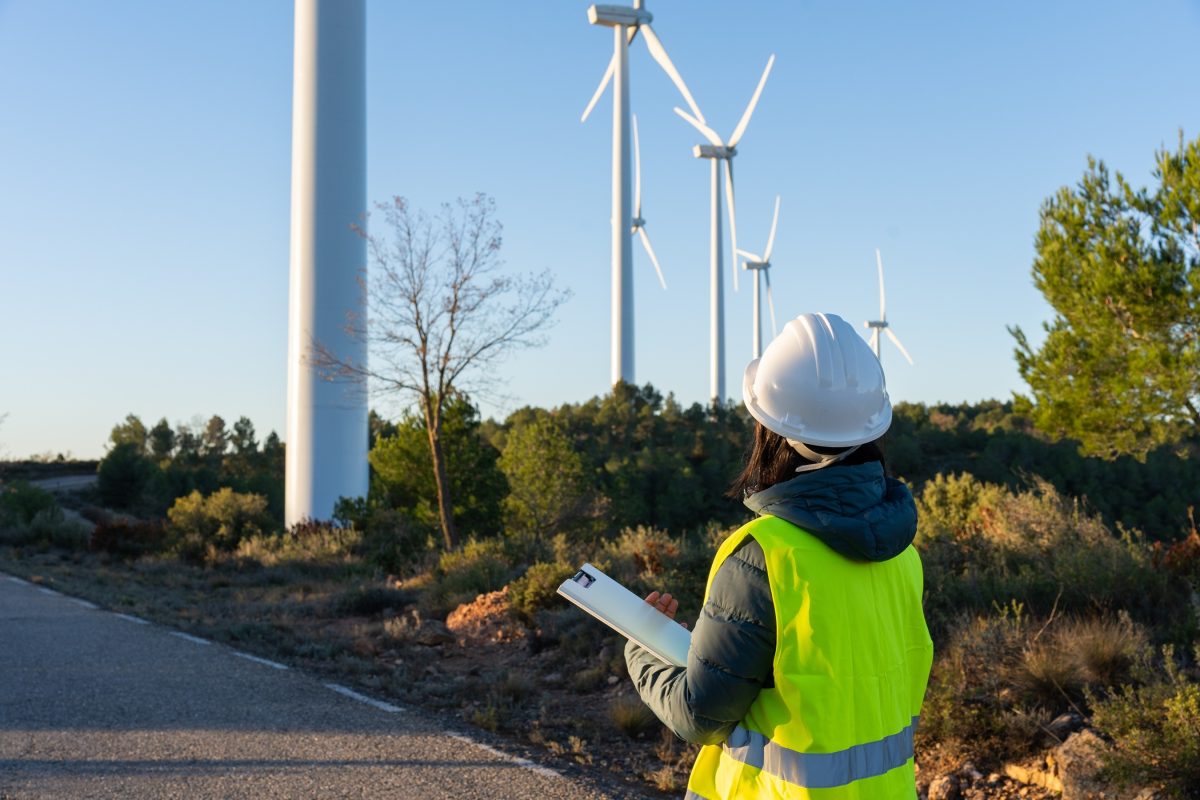
As year nine pupils across England prepare to make decisions about their GCSE options, a University of Salford Professor has launched a free Sustainable Local Energy Skills Roadmap for those hoping to pursue a career in clean energy.
By 2030, clean energy is expected to bring more than 400,000 extra jobs to the UK, with employment in the sector expected to double to 860,000.
The free online tool, created by Salford’s Professor Vahid Vahidinasab, asks pupils aged 11 to 16 four quick questions about their year group, interests, GCSE subjects and how they like to learn. It then builds a personal roadmap showing the clean energy jobs that suit them, the GCSE subjects those jobs use and the routes into them.
Professor Vahid Vahidinasab, Chair in Sustainability at the University of Salford and Academic Research Director at its Centre for Sustainable Innovation, comments:
“In September 2026, the Department for Education announced new vocational GCSEs to be introduced in some subjects as early as September 2029. However, for those who are interested in clean energy careers and selecting their options now, many of the foundations are already there within the existing curriculum.
“From design and technology, electronics and engineering to economics, business, science and geography, there is already a wide range of pathways for students interested in clean energy careers. These subjects help develop the technical knowledge, problem-solving skills and commercial understanding needed to drive the energy transition, tackle climate change and help shape a more sustainable future.”
The Sustainable Local Energy Skills Roadmap covers 19 jobs across the sector, from heat pump engineers and solar panel installers to electric vehicle technicians, electricians and energy data scientists. By matching opportunities to pupils’ interests, subject choices and preferred learning styles, the roadmap helps young people identify pathways into careers that will be critical to the UK’s transition to a net zero future.
Vahid continues:
“The transition to clean energy depends as much on skills, knowledge and talent as it does on new technology. As demand grows for renewable energy, low-carbon heating, electric vehicles and smarter energy systems, we need to ensure that young people are aware of the opportunities available and the routes they can take to access them.
“There are rewarding careers available at every level, from hands-on technical roles to leadership, research and innovation positions, but students can’t aspire to careers they don’t know exist. Our roadmap is designed to help bridge that gap by showing young people the jobs that match their interests, strengths and ambitions, and the skills that will help them get there.”
The roadmap also provides information on typical pay, training and education pathways, career timelines and practical next steps, helping pupils and their families make informed choices about GCSE options and the steps that follow.
For schools, a free teacher pack includes a 20-minute classroom activity, slides, a pupil worksheet and a QR code poster. Pupils can save a two-page PDF of their roadmap or email it home, and teachers can download a full version with every GCSE topic it draws on. The tool works on phones, tablets and computers, needs no login and keeps pupils’ answers on their own device. Pupils in Greater Manchester can also use its ‘near you’ section to find local careers advice, T Level courses and community energy groups.
Vahid concludes:
“Pupils don’t need to wait for new vocational GCSEs to start preparing for careers in this growing sector. Many of the foundations are already there, within the curriculum. The challenge is helping pupils see the connection between those choices and the opportunities emerging in the green economy.
“We hope this roadmap provides a clear starting point, showing how different subjects can lead to rewarding careers that will play a vital role in shaping a more sustainable future.”
Responses