
Why Soft Skills Will Decide Who Thrives in 2035

In an Age Dominated by AI, Human-Centric Skills Are the True Differentiators
By 2030, nearly 90% of the UK’s workforce will need new skills. Let that sink in. As AI and automation outpace traditional education, one question looms: What makes us irreplaceable?
The answer isn’t mastery of a coding language or proficiency in spreadsheets – but the qualities no machine can mimic: empathy, imagination, adaptability, and clear communication. These “soft skills” are fast becoming tomorrow’s rock-solid hard skills.
Consider this: McKinsey warns that worldwide 375 million workers may need to switch careers by 2030. The World Economic Forum highlights creativity, emotional intelligence, critical thinking, and leadership as the most in-demand skills by 2027. If you’re leading a team, teaching a classroom, or designing a product, your ability to connect, persuade, and innovate will matter more than ever.
This argument is echoed in Angus Fletcher’s recent book Primal Intelligence: You Are Smarter Than You Know. Fletcher, a professor of “story science” at The Ohio State University, stresses that human intelligence is rooted not in logic alone but in qualities machines cannot replicate:intuition, imagination, emotion, and common sense. Computers may excel at calculations, but they struggle with the very abilities that define human progress – the ability to improvise, empathise, and create meaning through story.
One striking example Fletcher shares is the Pentagon’s war games. Despite having access to vast historical data and supercharged algorithms, military AI consistently loses to human teams. Why? Because logic alone is predictable. Initiative, creativity, and the leap of intuition give humans an edge machines cannot match.
This lesson stretches far beyond the battlefield. In classrooms, workplaces, and communities, we risk training people to “think like computers”, efficient but unimaginative, logical but lacking initiative. If education continues to prize rote memorisation and formulaic answers, we are preparing children for a world that machines already dominate.
The future belongs to those who can think critically, speak with purpose, and imagine boldly. Whether in healthcare, education, entrepreneurship, or the arts, the fastest-growing roles will demand human-centric skills that AI cannot replicate.
So here’s the hard question for every parent, educator, and policymaker: Are we equipping the next generation for a future where numbers matter, or for a future where words, ideas, and connections rule?
Because in 2035 and beyond, those who can calculate and converse, reason and imagine, will be the ones shaping our world.
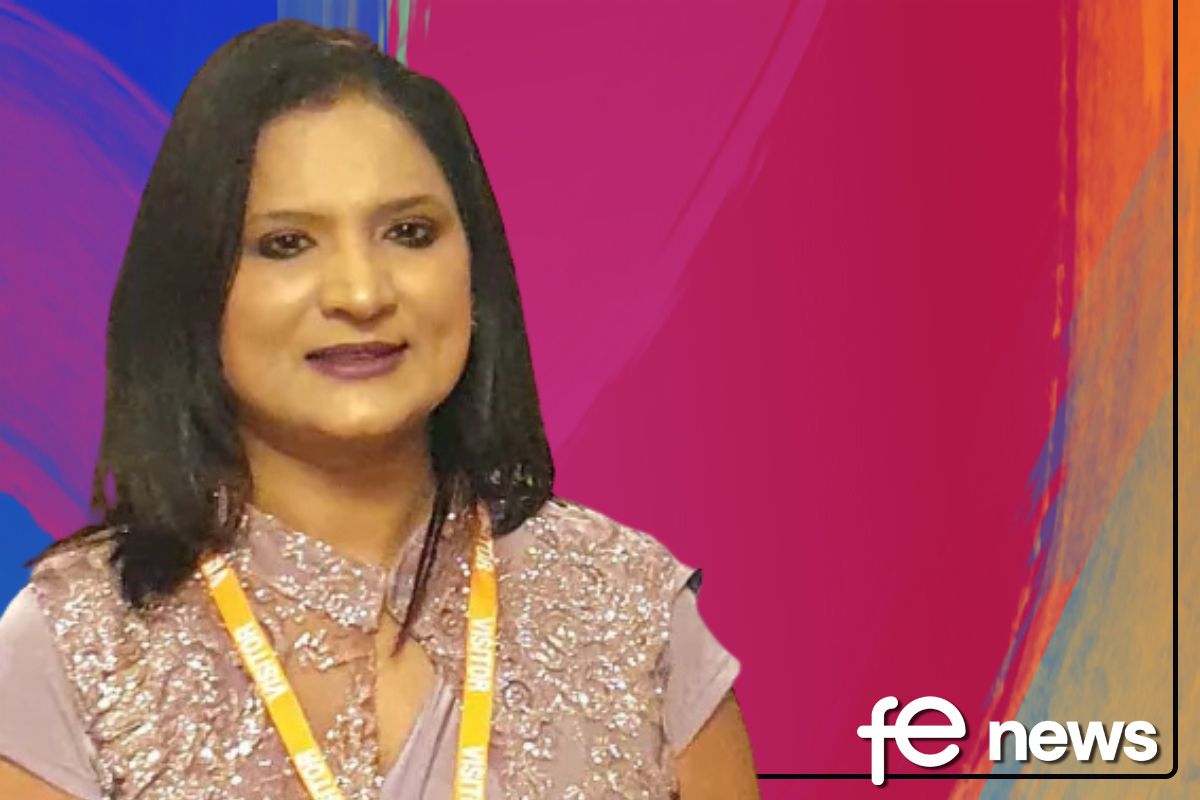
By Dr Rashmi Mantri, founder and chief executive of the British Youth International College BYITC.
Responses