
Building Britain’s Green Skills Pipeline: Toby Perkins MP on Vocational Education’s Critical Role

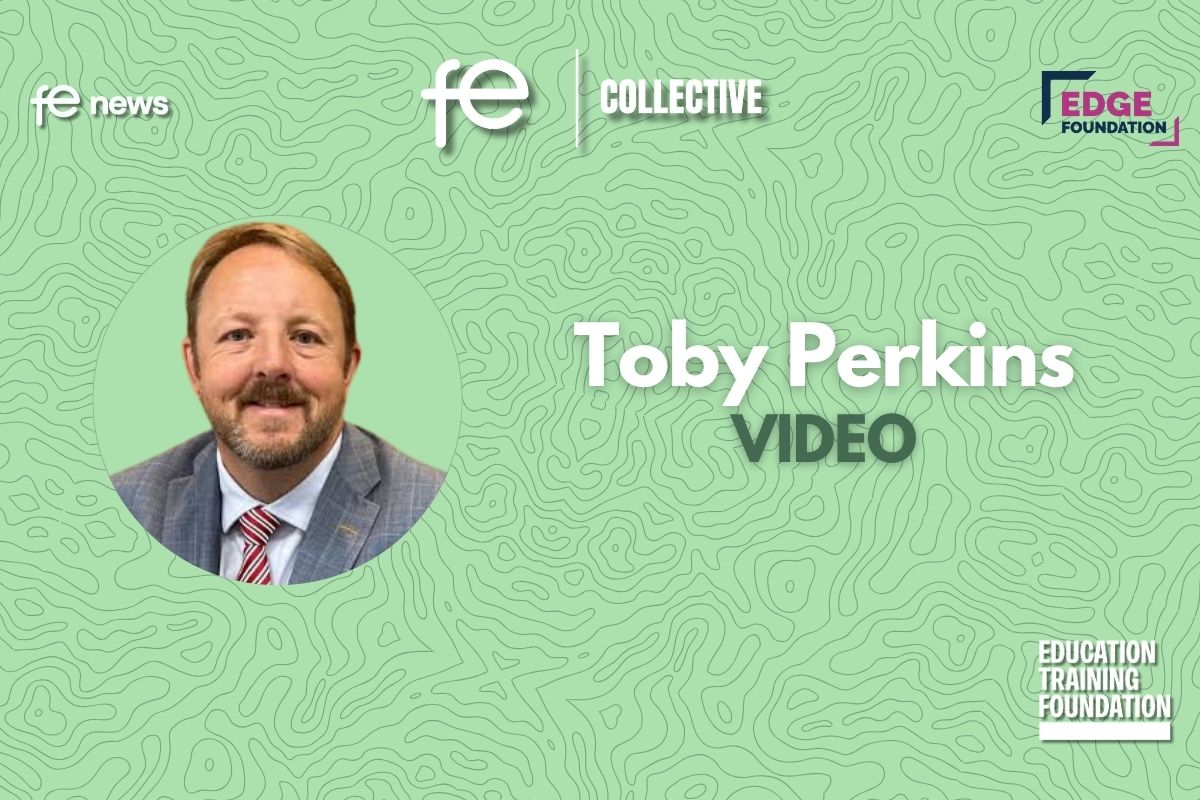
The Chair of the APPG on Apprenticeships and Environmental Audit Committee outlines how FE must respond to the twin challenges of economic growth and environmental action
The government’s ambitions for economic growth and environmental sustainability will stand or fall on one critical factor: skills. That’s the clear message from Toby Perkins MP, who uniquely holds the chair of both the All Party Parliamentary Group on Apprenticeships and the Environmental Audit Committee.
In an interview with FE News, Toby outlined why vocational education must be at the heart of Britain’s green transition, and what needs to change to make it happen.
The Opportunity: Young People Want Green Careers
“Many young people are passionate about making a difference to the planet and working in the environmental sector,” Toby explains. The appetite is there. What’s needed now is a skills system that can channel that passion into productive careers.
The focus, Toby emphasises, must be on promoting how different vocational courses can contribute meaningfully to tackling climate change and environmental challenges. This isn’t about creating a narrow “green skills” silo, it’s about recognising that construction, engineering, land-based studies, and numerous other vocational pathways all have crucial roles to play in the transition to a sustainable economy.
The Challenge: A System That Works for Everyone
But passion alone won’t deliver the skilled workforce Britain needs. Toby is clear that systemic change is required.
“The skills system must be fully operational, ensuring that employers, learners, and educators all recognise and feel they have a role within the effort,” he says. This means moving beyond fragmented initiatives to create a coherent system where every stakeholder understands their contribution.
Skills England is positioned to be a key driver in this transformation, particularly in boosting apprenticeship numbers. But Toby argues that structural reform must be accompanied by cultural change.
“It is necessary to elevate the prestige of vocational education so it is valued alongside higher education,” he states. This isn’t just about policy, it requires a fundamental shift in how institutions, employers, and society view vocational pathways. “A fundamental cultural change within the entire institution, led from the top, is required to ensure everyone recognises their potential contribution.”
What Institutions Must Do Now
Toby outlines three practical steps for FE institutions:
First, understand the opportunities. “Institutions must first understand the opportunities available in the green sector.” This means staying ahead of labour market intelligence and anticipating where the jobs will be, not just where they are now.
Second, ensure delivery capability. Institutions must make certain that their facilities and programs are genuinely equipped to deliver the training the green economy demands. This might mean investment in new equipment, curriculum redesign, or partnerships to access specialist resources.
Third, work closely with employers. “Institutions need to work closely with their own employers to guarantee effective delivery of skills.” This employer engagement can’t be tokenistic—it must be embedded in course design and delivery.
The Bottom Line
The convergence of economic and environmental imperatives creates a significant opportunity for Further Education. Young people want to make a difference. Employers need skilled workers. The government has set ambitious targets.
What’s needed now is a skills system that functions effectively, institutions that step up to deliver, and a cultural shift that recognises vocational education as the critical pathway it is.
As Toby makes clear, everyone has a role to play. The question for FE leaders is: are your institutions ready to deliver theirs?
Watch the full interview with Toby Perkins:
Responses