
The Power of Being Wrong: Why Writing Can’t Be Made Efficient

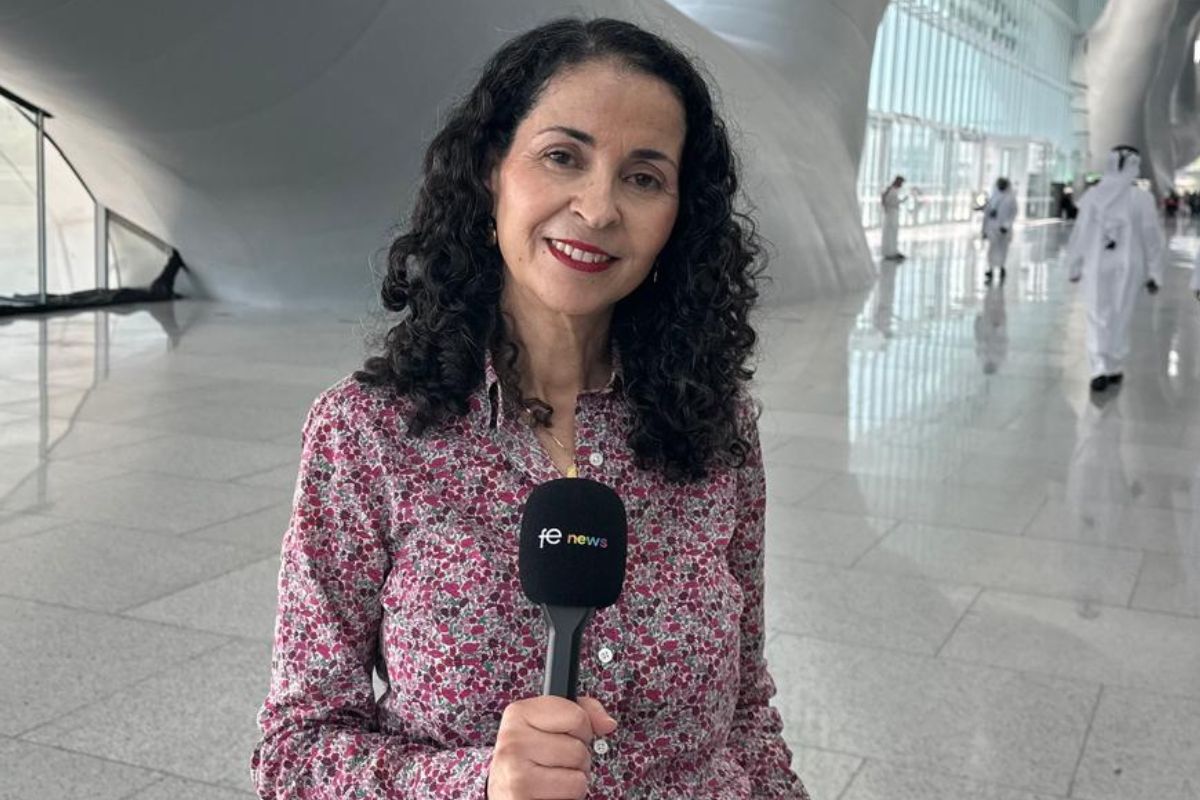
Laila Lalami, Moroccan novelist and creative writing professor at UC Riverside, is challenging how we think about AI in education, particularly in storytelling. Speaking at WISE 12, she made a compelling case for why efficiency isn’t always the answer.
The Problem with Instant Answers
“AI offers students a chance to get answers,” Lalami explained. “They go to ChatGPT, ask a question, and get an answer. Pedagogically, that’s not necessarily the best approach for them to learn.”
Her concern centres on what students lose when they skip the struggle. “It doesn’t teach them trial and error. It doesn’t teach them that it’s okay to be wrong. There is a kind of pleasure in being wrong, you remember the solution to that problem you encountered. You remember why you were wrong and what the right way was to approach it.”
This memory retention and learning process is fundamental to development, yet AI’s instant gratification bypasses it entirely. “Asking a chatbot a question and getting an answer habituates students to just getting answers to things,” she warned.
Writing is the Opposite of Efficiency
Lalami’s approach in the classroom is deliberate: limit devices, not just AI, but laptops and phones to, and encourage students to face a text, think about it, and write independently.
“I think it might be a mistake to think writing is something that can be made more efficient,” she argued. “Writing gets better when you draft, you think, you go back and revise, you think, you go back and revise. There is a certain process to it, a certain craft to it. And that craft is in fact the opposite of efficiency.”
This process, she believes, allows writers to access something deeper: “It allows you to get to your subconscious, to your intuition, your way of thinking, in order to improve the writing.”
Strategic Technology Use
She encourages students to use AI for research, checking historical details, or verifying real-world facts. But when it comes to imagination and creativity? That must remain human.
“We focus on encouraging creativity independently of AI,” she said. “To focus on their imaginative faculties and their imagination in general to write stories.”
As AI promises to make everything more efficient, Lalami’s message is clear: some things shouldn’t be efficient. Learning requires struggle. Writing requires revision. And there’s genuine value in being wrong.
Responses