
Business and education leaders join forces to tackle the UK graduate skills demand at University of Derby’s Cavendish Building

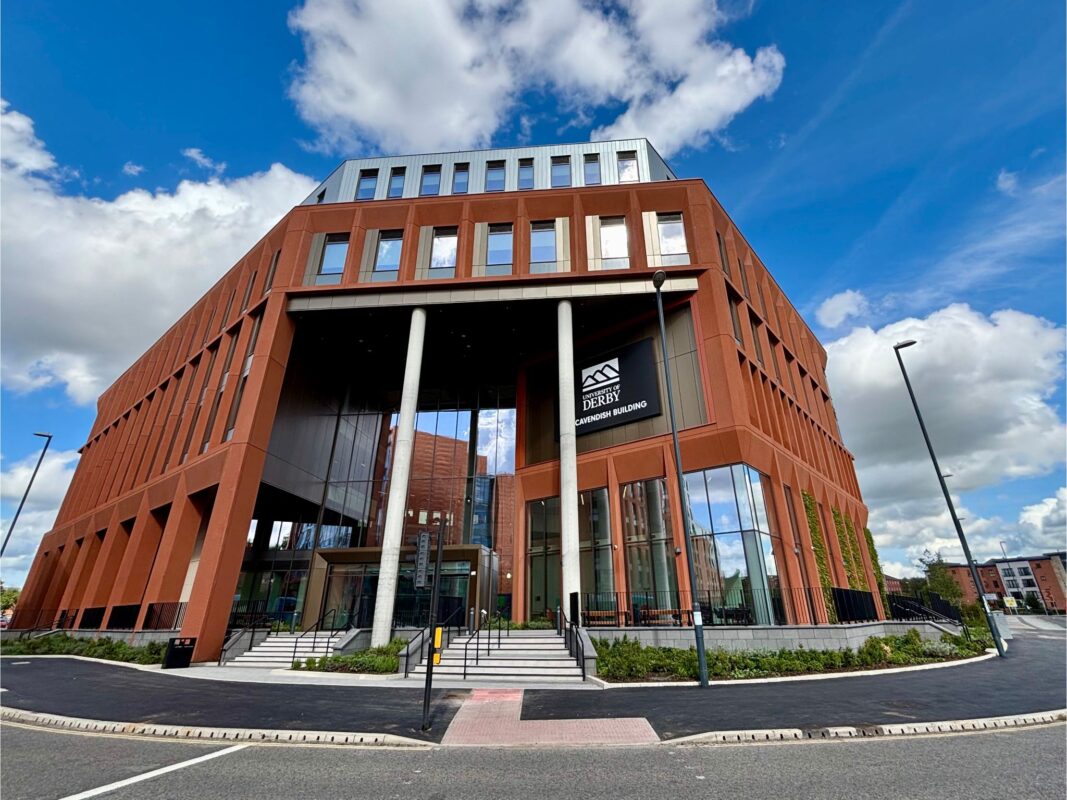
Business leaders from across the region came together to explore how universities can better align graduate skills with the evolving needs of the workforce now and in the future.
The Future Jobsroundtable, hosted by the University of Derby at The Cavendish Building – home of Derby International Business School – formed part of a series of events taking place across the UK, where university and business leaders are leading a broader national conversation about how universities can better match graduate skills to the future needs of employers.
It is estimated that more than 11 million additional graduates are needed to fill high-skilled jobs in the UK between 2020 and 2035. On average, 82% of new priority jobs crucial to economic growth – including in the life sciences, creative, digital & technology and defence sectors – will require workers with higher education-level qualifications.
The Future Jobs sessions are exploring how universities and businesses can respond to this growing demand and work together to grow the pipeline of graduates entering and thriving in these industries and create new high-quality jobs for local people.
With AI rapidly changing the world of work and graduates becoming increasingly concerned about job prospects, universities across the UK are adapting how they support students to prepare them for the jobs of the future. Evidence gathered from the Future Jobs roundtable will feed into a national roadmap setting out practical steps universities and employers can take to ensure graduates’ skills better meet the needs of businesses, both now and in the future.
Local businesses in attendance included Rolls-Royce, Toyota and Marketing Derby. Participants discussed how to better align graduate capabilities with industry requirements, support key regional sectors, and drive innovation – enabling businesses to grow and create more well-paid jobs across the region.
Professor Keith McLay, Deputy Vice-Chancellor of the University of Derby, said:
“There is a wealth of talent across Derby and Derbyshire, and both employers and the University of Derby share a clear responsibility to work together to ensure people can access high-quality jobs that create lasting value for the region.
“By aligning education, skills and industry demand, we can create meaningful pathways into careers that empower individuals, strengthen local communities and build a more resilient and prosperous economy. This collaborative approach is fundamental to securing long-term success for our area.”
Professor Malcolm Press CBE, President of Universities UK, the representative body for 142 universities in the UK, said:
“Universities are critical to creating a better future for the next generation, something everyone wants. Given how quickly the world of work is changing, that will only happen if we make sure graduates have the skills that employers are going to need, now and over the long term.
“Today’s graduates are going to have careers that last into the 2070s. Our Future Jobs roundtables, like this one at the University of Derby, are about sparking the conversations between business and universities to make sure we are equipping people with the skills they are going to need for long, successful careers.”
Claire MacDonald, Director at MacMartin, said:
“Employers don’t just need graduates with knowledge. We need people who can apply it well through strong professional skills: communicating clearly, working across disciplines, solving messy problems and keeping learning as roles evolve. With AI accelerating change, those human capabilities are becoming even more valuable.
“Today’s discussion was encouraging because it focused on what we can do differently, together. By combining universities’ academic rigour with employers’ real-world insight, we can shape learning around the demands of modern work and give students more chances to practise real workplace challenges, so they can contribute confidently from day one.”
Responses