
Kirstie Donnelly MBE Reflects on City & Guilds Sale to PeopleCert in Candid Canny Conversations Podcast

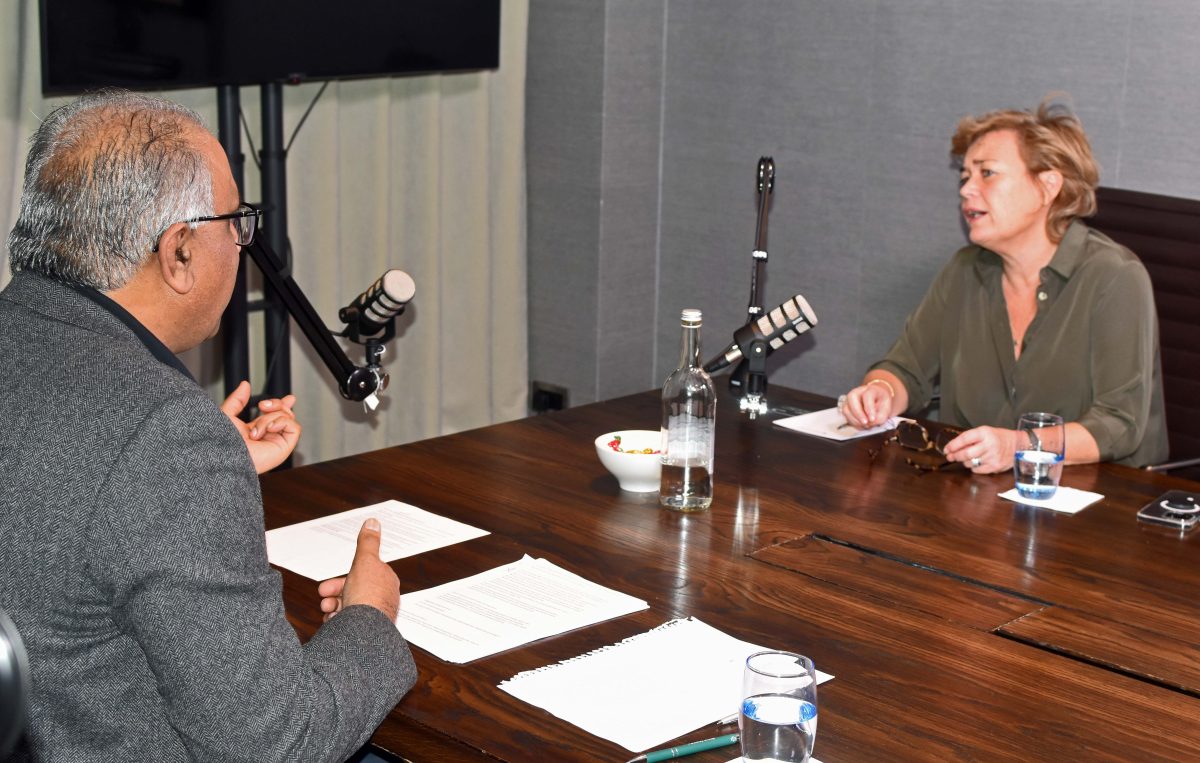
In a new episode of the Canny Conversations Podcast, City & Guilds CEO Kirstie Donnelly MBE shares exclusive insights into the strategic decision to sell the awarding body’s commercial operations to PeopleCert -a move that marks a significant moment in the evolution of the UK’s post-16 education and skills sector.
Hosted by Social entrepreneur and Skills Sector Leader Safaraz Ali, the conversation goes beyond headlines to offer a rare behind-the-scenes account of the thinking, leadership, and long-term vision that shaped the landmark deal.
A Historic Shift for a Sector Institution
Established in 1878, City & Guilds has long been synonymous with technical excellence and vocational education in the UK and abroad. In October 2025, it announced the sale of its awarding, assessment and training business to PeopleCert, a global certification provider with operations in over 200 countries.
Speaking in the podcast, Donnelly describes the sale as a “decision made in confidence, not crisis” -a future-focused move designed to ensure the organisation can continue to innovate, scale, and lead on digital credentialing and lifelong learning.
“Standing still was not an option,” she says. “This was about relevance and resilience. If we were serious about our mission, we had to think boldly about our model.”
Securing Purpose Through Structure
Under the new arrangement:
- City & Guilds Limited, now part of PeopleCert, will continue to deliver qualifications, workforce training and digital credentials globally.
- The City & Guilds Foundation retains its charitable independence and has been capitalised to expand its work in social mobility, inclusion and community-based skills access.
Donnelly emphasises that the deal ensures the enduring purpose of the brand while providing the capacity to respond to evolving needs of learners, employers and the economy.
Implications for the Sector
The sale has generated interest and discussion across the FE landscape -not least because of City & Guilds’ historic role in shaping UK skills provision.
In the interview, Donnelly frames the move not just as a corporate transition but as part of a wider reimagining of what the sector must become in the face of global trends: AI, modular learning, declining productivity, and increased competition for learners and workforce relevance.
She also stresses that the UK skills system must shift from fragmented, short-term thinking to long-term system leadership.
“We need joined-up thinking -where awarding bodies, providers, employers and government work together on shared outcomes. If we don’t invest in system-level reform, we risk falling behind economically and socially.”
A Leadership Case Study
For sector leaders, the episode offers a timely case study in decision-making, governance and values-based leadership under pressure.
Safaraz Ali, who leads a number of organisations across skills, care, and supported housing, described the conversation as “one of the most honest and instructive episodes of the series.”
“Kirstie didn’t just talk about the deal -she walked us through the why. This was a leadership decision made with clarity, humility and long-term thinking,” said Safaraz Ali.
“In a sector where many organisations are grappling with sustainability and relevance, there’s a lot to learn from how this was approached -commercially, ethically and strategically.”
Listen to the Episode
Canny Conversations Podcast, hosted by the Founder of the Multicultural Apprenticeship & Skills Alliance and Awards -Safaraz Ali, features conversations with thought leaders across Early Careers, Talent Management, Business, Education and Public life. The podcast explores real-world challenges in leadership, strategy and social impact.
Responses