
The new storytelling podcast that teaches children about neurodiversity
A Children’s story podcast that highlights the traits young people may see in those with #ADHD, #Dyslexia and #Dyspraxia has launched in the UK. ‘Poppy…

Neurodiversity celebrates the inherent variations in neurological conditions, emphasising that conditions such as Autism Spectrum Disorder, Attention Deficit Hyperactivity Disorder (ADHD), Dyslexia, Dyspraxia, and others are natural expressions of the human brain. Instead of viewing these conditions as disorders or abnormalities, neurodiversity recognises them as normal variations within the human population.
Neurodiversity extends beyond well-known conditions to encompass any neurological variation that affects the brain or nervous system. This includes conditions that may not be as widely recognized but are equally important in understanding the diverse range of human experiences.
Central to the neurodiversity movement is the promotion of acceptance and the reduction of stigma surrounding neurodivergent individuals. Instead of focusing on “normal” or “typical” behavior, neurodiversity encourages a shift in societal attitudes towards understanding and accommodating diverse ways of thinking and experiencing the world.
As advocates for neurodiversity, we’ve established a community on LinkedIn where we share insightful articles and foster discussions on this important topic. Become a part of our community here to enhance your understanding and contribute to the ongoing conversation.
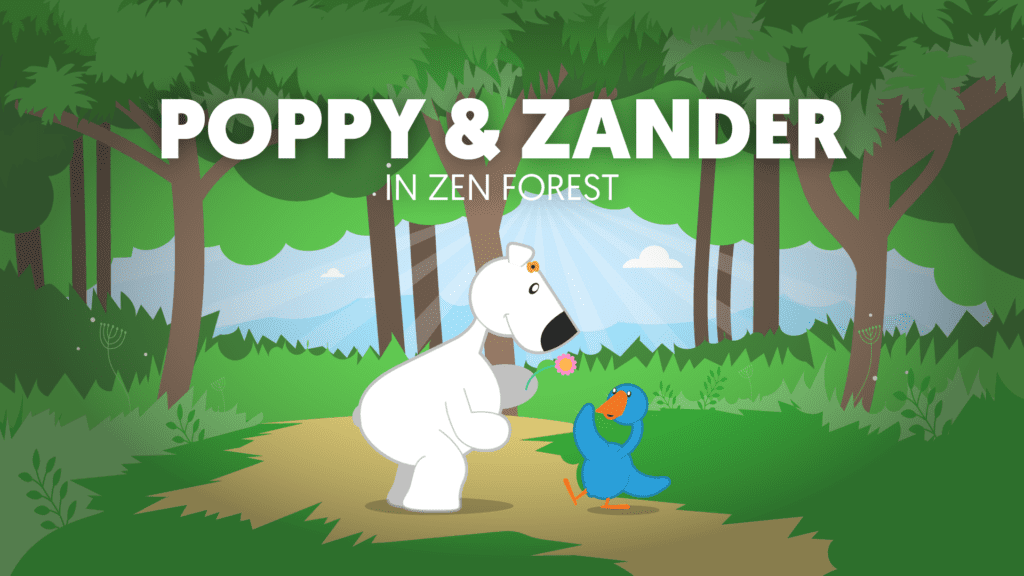
A Children’s story podcast that highlights the traits young people may see in those with #ADHD, #Dyslexia and #Dyspraxia has launched in the UK. ‘Poppy…
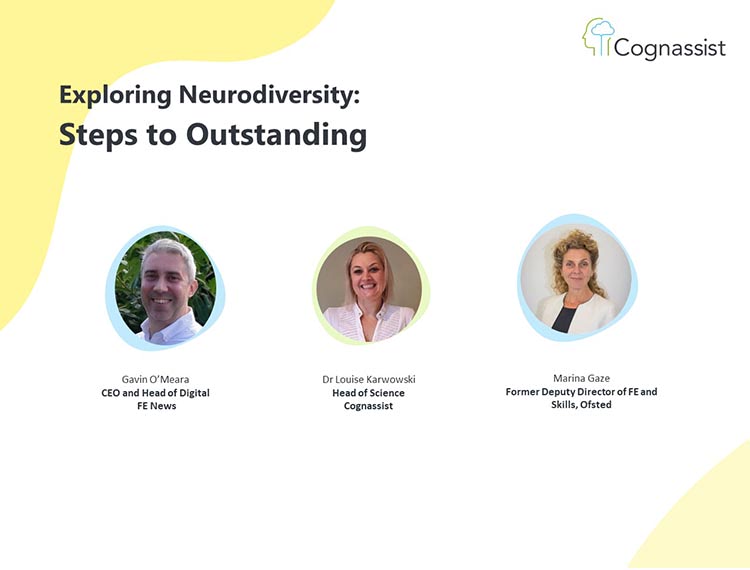
Welcome to Episode 2 of the #ExploringNeurodiversity podcast, a co-produced podcast mini series brought to you by @FENews and @CognAssist. In this episode your hosts…
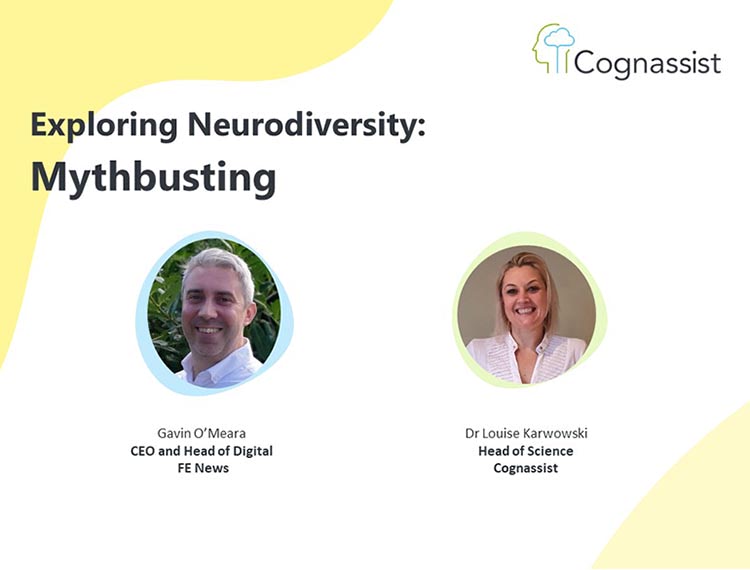
Welcome to Mythbusting and removing barriers, Episode 1 of the #ExploringNeurodiversity podcast with @CognAssist: Mythbusting in Neurodiversity is all about removing barriers for learners, educators, teams…
There are apprentice placements to match the strengths and talents of all. There is something for everyone –for those with analytical, caring, science, practical or…
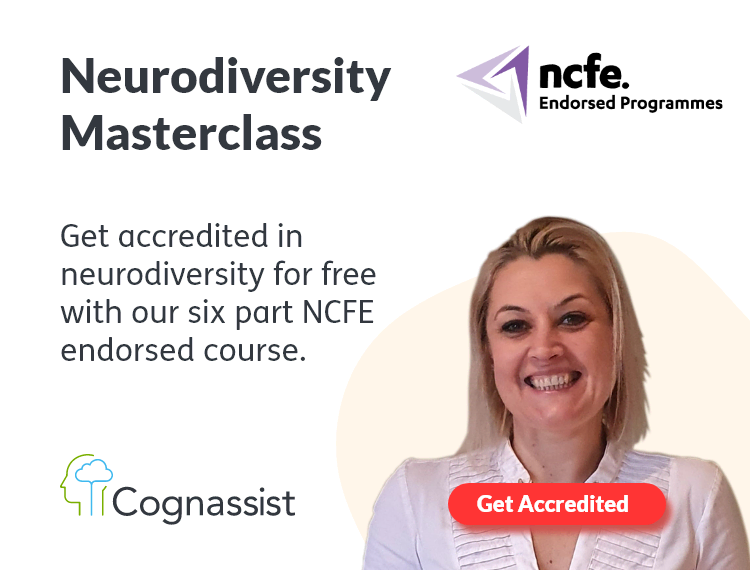
Cognassist (@CognAssist) is incredibly proud to offer The Neurodiversity Masterclass, a free endorsed learning programme in neurodiversity. A series of six seminars, this masterclass is designed…
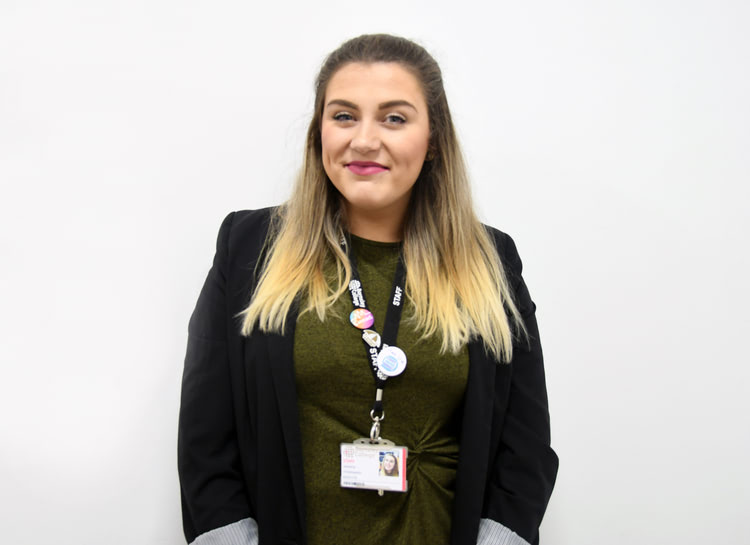
Talent United, the employer engagement initiative run by @BarnsleyCollege, will host a free virtual masterclass on Wednesday 14 October, 1.30pm to 3.00pm. Kate Dean, Director…

My introduction to neurodiversity was when I was diagnosed with dyslexia at university. The term “neurodiversity” is used to describe the cognitive diversity of the…
#Neurodiversity – The rationale for positive person-centred framing Neurodiversity is a term that is increasingly being used to embrace a number of conditions such as…
In my role as Professional Development Manager at Halesowen College, and lead trainer for Autism, I had the privilege to present my work at #SETCONF19…
This call is now closed. Please do not submit an application for this call. The information provided on this page is for reference purposes only.…
Please confirm you want to block this member.
You will no longer be able to:
Please allow a few minutes for this process to complete.