
How to Ask Well: A Practical Guide for Leaders in FE

How to Ask Well is emerging as a critical leadership competency across Further Education. As FE teams navigate heavy workloads, pressure to deliver outcomes, and increasingly diverse communication styles, the simple act of slowing down and asking before assuming has never been more critical.
Tone policing, where someone’s emotional expression or communication style is critiqued instead of their message, has been shown in organisational psychology research to significantly increase defensiveness, reduce trust, and impair problem-solving (Hurst et al., 2020). For neurodivergent staff, this dynamic can be intensified due to differences in tone production, sensory processing, emotional regulation and social perception.
Studies on assumed intent reveal that humans often misinterpret vocal tone, even in neutral or low-stakes settings. In one landmark study, people misread emotional tone 50 per cent of the time, with accuracy dropping further when listening to neurodivergent speakers (Kraus, 2017; Sasson et al., 2017). In other words, we are statistically more likely to be wrong than right when we think we know what tone “means”.
This is why “asking well” matters. It reduces the error margin.
The SCARF model, which stands for Status, Certainty, Autonomy, Relatedness, and Fairness, helps leaders understand the neuropsychological triggers behind conflict and miscommunication. It offers a practical framework for creating inquiry-led, psychologically safe cultures across FE.
The Communication Challenge Facing FE
The FE workplace amplifies communication strain, characterised by a fast pace, sensory-heavy environments, emotionally charged caseloads, and constant switching between student-facing and administrative roles.
Workplace needs-assessment case studies repeatedly show that neurodivergent colleagues struggle most not with the task itself, but with the context, pace, structure, tone, expectations, and assumptions made by others.
Research shows something similar. A 2023 meta-analysis by the Journal of Communication found that when the environment intensifies cognitive load, individuals tend to default to assumption-making rather than inquiry, thereby increasing the likelihood of tone-based misinterpretations (Wilson et al., 2023).
This echoes findings in your provided workplace needs-assessment cases. In both college and apprenticeship settings, colleagues were not miscommunicating due to capability deficits; instead, the communication contexts were mismatched, creating unnecessary friction.
A Leadership Task: Asking Without Presuming
Assumptions about tone and intention trigger the threat response in the brain, particularly in individuals who are already vulnerable to feeling misunderstood. Research on “negative attribution bias” reveals that when people feel overwhelmed, judged, or anxious, they tend to assume more negative intent in others’ tone (Ames & Fiske, 2015).
Neurodivergent colleagues, especially those with ADHD or autistic traits, experience this even more intensely due to patterns of heightened threat perception and social fatigue (Fuller-Thomson et al., 2020).
Asking well interrupts this pattern. It shifts the interaction from a threat to one of collaboration.
Why Where a Conversation Happens Matters
Research from environmental psychology demonstrates that context changes cognition. Studies show that conflict is more likely to escalate when conversations occur in the same physical space where the conflict originally happened (Holmes et al., 2018). The brain forms spatial-emotional associations, meaning the environment itself can trigger defensiveness before the conversation even starts.
Changing the physical location, especially moving outdoors, reduces physiological stress markers. Stanford University found that walking increases creative problem-solving by 60 per cent (Oppezzo & Schwartz, 2014) and promotes emotional regulation.
This aligns closely with your practical experience: walking side by side reduces perceived confrontation and activates bilateral brain function, which aids in emotional processing. Movement interrupts stuck patterns, lowers the SCARF threat response, and supports clearer thinking.
Neurodivergent individuals often report improved communication during movement-based dialogue, as sensory pressure and direct eye contact are reduced, findings consistent with autism communication research (Crompton et al., 2020).
How to Ask Well Using the SCARF Model
1. Status: Ask in ways that preserve dignity
Research has shown that even subtle perceived status threats reduce problem-solving capacity and increase emotional intensity (Rock, 2008). Tone policing often triggers this threat.
Ask well by:
- Using equalising language
- Avoiding evaluative phrasing
- Using side-by-side formats like walking
Example:
“I value your perspective and want to understand how this felt for you. Shall we walk while we talk it through?”
2. Certainty: Ask in ways that reduce ambiguity
Unclear intentions increase cognitive load. The uncertainty effect is particularly significant for neurodivergent colleagues (American Psychological Association, 2022).
Ask well by:
- Stating the purpose upfront
- Being explicit about format and expectations
- Offering clear timelines for response
Example:
“I would like us to revisit yesterday’s discussion, so I understand what support you might need. How would you prefer we approach it?”
3. Autonomy: Ask in ways that support choice
Autonomy is a stabilising force in communication. Studies show that giving people choices can reduce perceived interpersonal threat by up to 40 per cent (Chen et al., 2019).
Ask well by:
- Offering choice about location
- Offering choice about communication mode (written, verbal, walking, etc.)
Example:
“Would you prefer to talk through this in a quieter space, outside, or over email first?”
4. Relatedness: Ask in ways that build connection
Autism communication research indicates that many miscommunications occur not due to a lack of empathy, but rather from mismatches in communication norms (Crompton et al., 2020). Asking well bridges that gap.
Ask well by:
- Checking intention, not assuming it
- Using neutrally framed observations
Example:
“I noticed the pace shifted earlier; can you share what you were experiencing?”
5. Fairness: Ask in ways that reinforce consistency
Perceived unfairness reduces willingness to collaborate and increases conflict behaviours (Colquitt, 2012).
Ask well by:
- Applying inquiry-based approaches to everyone, not only neurodivergent colleagues
- Making communication expectations transparent
Example:
“I want us all to feel comfortable checking in when something does not feel clear. This is a team-wide norm we will all follow.”
Sector Comparisons: Evidence in Action
FE College
Walking-based conflict resolution reduced defensiveness and increased re-engagement among staff who were previously overwhelmed by sensory-heavy meeting spaces. This aligns with environmental psychology research, which shows that movement-based conversations reduce cortisol levels and improve relational repair.
Apprenticeship Provider
Structured inquiry was paired with moving conversations outside workshop spaces. Staff reported improved understanding and fewer misinterpretations, consistent with executive function research showing enhanced clarity during physical movement.
Private Training Organisation
Leaders shifted performance conversations out of overstimulating offices. This finding aligns with research that emotional de-escalation occurs more quickly in neutral or unfamiliar environments (Holmes et al., 2018).
Practical Tools for Leaders
The “Noticing Sentence”
“I noticed a shift in the conversation and wanted to check in.”
This aligns with interpersonal accuracy research, which shows that describing rather than evaluating drastically reduces defensiveness (Kraus, 2017).
The “Location Reset Rule”
Never resolve conflict in the place where it occurred.
Environmental reset research supports this as a tool for emotional regulation.
Walking Dialogue Frames
Walking meetings increase cognitive flexibility and reduce rigidity properly during emotionally charged conversations.
The Result: A More Regulated, More Connected Workforce
Research shows that when leaders adopt inquiry over assumption, levels of psychological safety, clarity and collaboration increase significantly (Edmondson, 2019). Tone-based conflict decreases, and staff report higher levels of trust and better overall well-being.
Movement-based, inquiry-led conversations further amplify these outcomes.
This is not “soft leadership”. It is evidence-based, neuroscience-informed management that aligns with the realities of the FE sector.
Asking Well Is Also About Where, How and Why
Original research across psychology, communication studies and neurodiversity science points to the same truth:
We cannot rely on tone to understand intention.
We must ask. Moreover, we must choose the right space in which to pose the question.
When FE leaders adopt curiosity-led inquiry, change the physical context and build SCARF-aligned communication habits, they create cultures where differences in communication are understood, not pathologised.
This is the work of modern inclusive leadership. It is also the work that allows FE teams to thrive.
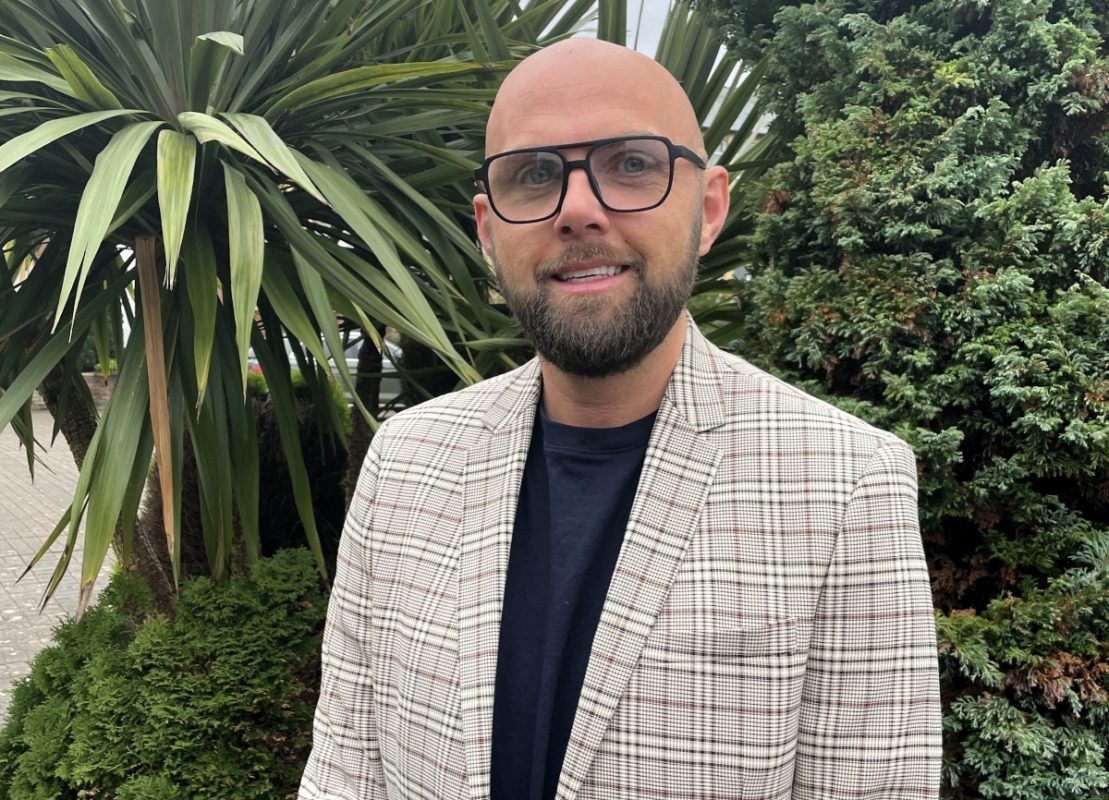
By Nathan Whitbread, The Neurodivergent Coach














Responses