
Building Ladders: Why The Levy Must Protect Routes That Open Doors


Working in early careers, I see every day what apprenticeships mean for young people, especially when university isn’t affordable, doesn’t fit how they learn or simply isn’t what they want. These pathways offer structure with the opportunity to earn an income and start on a genuine route into a long-term career.
My own journey is similar in some ways to the young people we are trying to support through early careers. When I finished formal education at 19, I did not have the opportunity to go to university, for two main reasons: financially, it was not affordable, and my teachers saw me as someone who was vocationally bright, but not ‘university material’. If an apprenticeship pathway to university had been an option for me, then I think I would have made different choices.
The introduction of the Growth and Skills Levy this month is an important step in how we think about skills in the UK. It replaces the previous Apprenticeship Levy and gives employers more flexibility to invest in shorter, modular training alongside traditional apprenticeships. It’s a shift many have called for and one that better reflects how work is changing.
But flexibility alone isn’t enough. What matters is whether the system continues to support the young people who need it most, and whether there are funded pathways to progress beyond entry-level.
Apprenticeships open doors
Apprenticeships have long been one of the most effective mechanisms for promoting social mobility. They offer genuine economic mobility for people who may not have the opportunity to pursue traditional academic routes or established professional networks.
For many young people, these aren’t alternative routes, they’re the only realistic way in. University isn’t affordable or accessible for everyone. And for some, hands-on learning works in a way that a lecture hall never could.
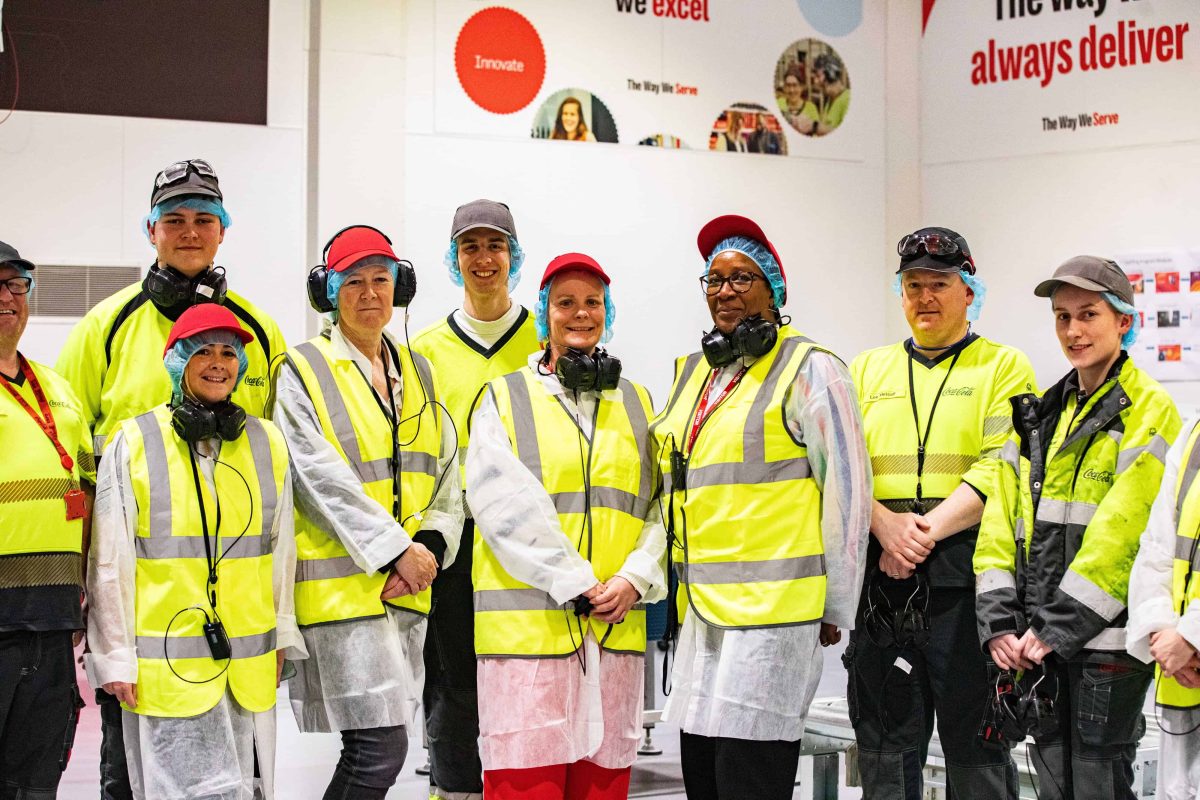
We’ve seen colleagues start in entry-level roles and build careers across engineering, operations, and Sales. Our Early Careers programme has supported over 250 apprentices since 2014, with retention rates above 85 per cent.
Defunding of Management Apprenticeships
That progression is only possible when the first step exists – and when it’s funded. That’s why the recent decision to defund certain entry-level apprenticeship standards is concerning, especially the L3 Team leader/Supervisor and the L6 Chartered Manager Degree. It risks closing the very routes that open doors for young people who have no other way in.
The bridge into work
We know that there almost a million young people in the UK are currently not in education, employment or training (NEET). The government’s Youth Guarantee, which commits to ensuring every 18-24 year old has access to education, training or help finding work, is a welcome response. So too is the Jobs Guarantee, which offers subsidised employment for young people who have been out of work.
But engagement is only half the story. The question is, what comes next?
These government initiatives are a welcome step, but on their own, they’re not enough. What turns qualifications into lasting employment is the bridge between learning and work, and that’s where apprenticeships come in. They offer structure, real-world experience, and crucially, a wage, making this pathway genuinely accessible. If these initiatives are going to succeed, funded apprenticeship routes need to be central to what follows. Otherwise, we risk a system that gets young people to the starting line but offers them nowhere to go.
Raising aspirations, not reinforcing ceilings
Too often, young people from underrepresented backgrounds are guided towards what others expect them to achieve, not what they could achieve. They’re told, implicitly or explicitly, that a certain level is ‘enough for someone like them.’
A strong apprenticeship system should challenge that. It should create clear pathways beyond Level 2 and Level 3, with progression into higher and degree-level apprenticeships built in from the start.
This isn’t just about access, it’s about aspiration. It’s about showing young people that technical routes can lead to degree-level qualifications, leadership roles, and long-term careers.
A model that works
There are already examples of how to get this right.
The recent approval of the Level 2 Administrative Assistant apprenticeship standard, nearly ten years in the making, shows what good looks like. It includes an age restriction of 16-25, targeting support at those who need that early boost. And crucially, it provides a ladder to higher-level apprenticeships, creating opportunities for long-term growth.
This should be the blueprint, not the exception. An age-based approach, rather than removing funding entirely, protects access for young learners while managing system costs. It aligns with the Youth Guarantee and creates coherence across the skills landscape.
T Levels and V Levels have a role to play too, building knowledge and raising the profile of technical routes. But qualifications don’t pay wages. For young people who can’t afford university, apprenticeships provide what classroom-based learning alone cannot: income, experience and progression combined. A strong skills system needs both, but one cannot replace the other.
Getting this right together
The Growth and Skills Levy is an opportunity, but it will only deliver if we protect the pathways that open doors.
That means employers continuing to invest in apprenticeships and progression routes. It means colleges and training providers delivering programmes that reflect real workplace needs. And it means government ensuring that reform protects entry-level access, not just higher-level skills.
We’re committed to playing our part at CCEP, building relationships with schools and colleges, engaging with young people from age 14 onwards, and creating routes that support progression at every stage of a career.
Because when those pathways are in place, apprenticeships don’t just fill skills gaps. They raise aspirations, build confidence, and help young people go further than they ever thought possible.
By Sharon Blyfield, Head of Early Careers and Apprenticeships, Coca-Cola Europacific Partners (CCEP)
Responses