
Erasmus+ 2027: What you Need to Know

The UK has officially signed the legal agreement to join the Erasmus+ programme, with placements set to begin in the 2027/28 academic year.
Here’s everything you need to know about what the programme offers and how to get involved.
What is Erasmus+?
Erasmus+ is the European Union’s programme for education, training, youth and sport for people of all ages and backgrounds.
Apprentices can gain work experience at leading European companies, school groups can take part in an international exchange with a partner school, and university students can study abroad at a host institution.
Erasmus+ placements can be short or long – some are as little as two days. Higher education students can take part in a blended mobility, which means you can combine a placement abroad with online learning.
Who is it for?
Erasmus+ is open to a wide range of people across the UK, not just university students.
This includes:
- school pupils
- Apprentices
- further education students
- adult learners
- teachers
- youth workers
- sports professionals.
How do I apply?
You will need to apply through your school, college, university or employer, which will be able to bid for funding from November 2026. The British Council, set to become the UK’s National Agency for the programme, will process applications and provide support and training for institutions, so that you can make the most of what is on offer.
Erasmus+ funding can support with costs such as travel, accommodation and living expenses while you’re abroad. Students who are from disadvantaged backgrounds can receive extra funding to help cover these costs, meaning these opportunities are available to everyone.
Why do an Erasmus+ placement?
Schemes like Erasmus+ can make a real difference to your career. It enhances your CV, boosts employability, provides access to different teaching styles, and improves confidence.
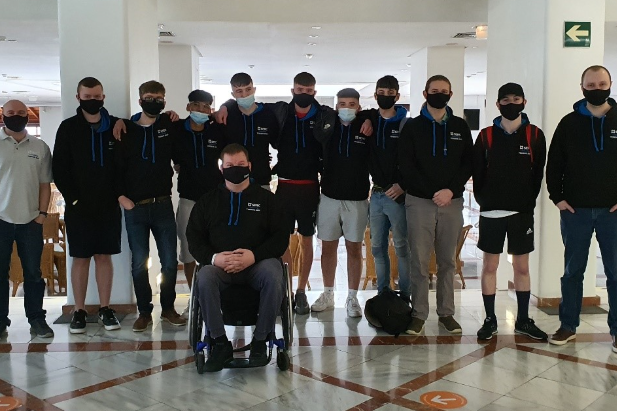
Previous Erasmus+ placements show just how wide-ranging the benefits can be. A group of computing students from a college travelled to Tenerife in early 2022, where they spent two weeks learning industry skills, working alongside professionals in a real workplace setting. As well as building technical knowledge, students reported improvements in teamwork, communication, confidence and independence.
Responses