
Six spin-outs emerge during the Research England Pilot

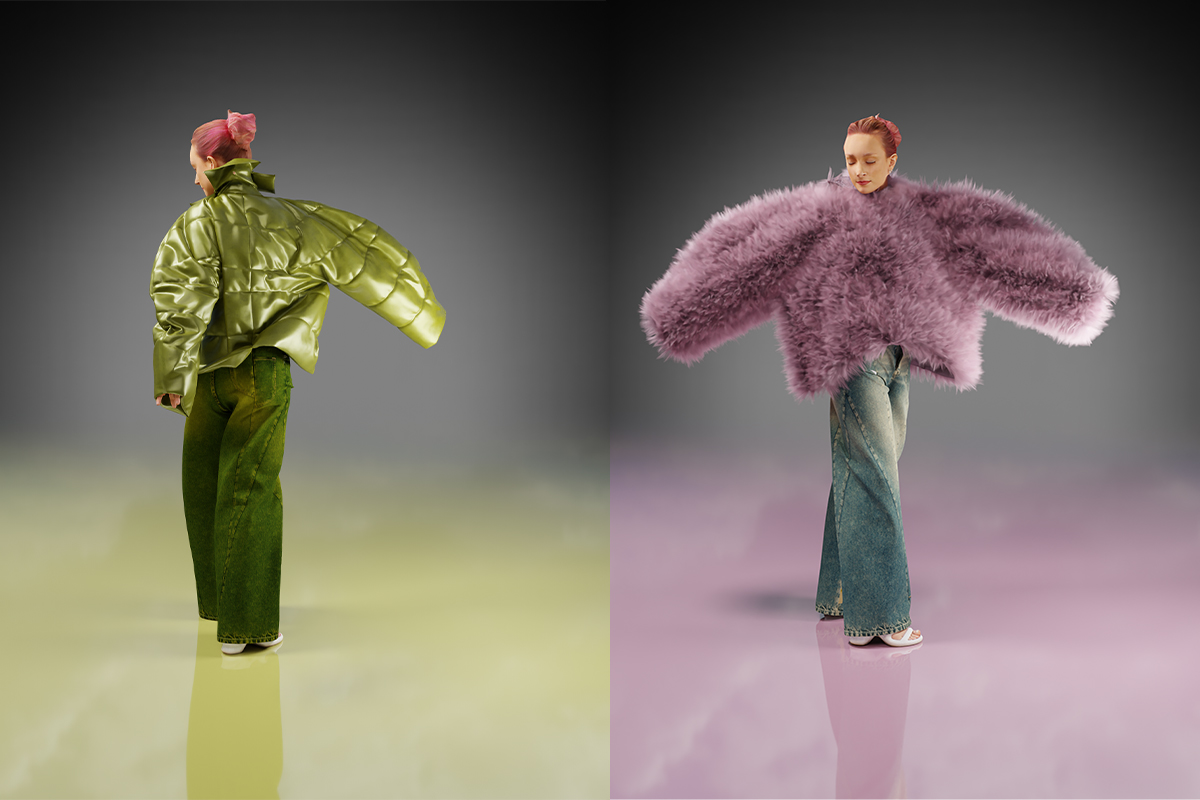
Six spin-outs in areas from biomanufacturing in space to environmentally conscious fashion have progressed during a UKRI Research England pilot which demonstrated the success of pooling resources by universities sharing Technology Transfer Offices (TTOs) and expertise.
The pilot sought to test whether shared TTOs, a collaborative model for universities, may support universities with smaller research portfolios or limited capacity or resources to combine expertise and capabilities to encourage investment and spin-out research.
TTOs are dedicated units within universities to translate and commercialise research and ideas into societal and economic impacts, such as through supporting spin-outs, managing intellectual property (IP) and licensing.
TTOs were considered in Tony Hickson’s review into university-investor links, published in February 2026. The Hickson review suggested sharing sector-specific TTOs could help attract specialist investors and enable stronger, more targeted relationships with industry and investors.
Supporting institutional strengths and shared prosperity, Research England are working to deliver ambitions of the Post-16 Skills and Education White Paper, facilitating collaboration and specialisation with place-based impact across England. Research England has today published the evaluation of the pilot, illustrating how shared TTOs could successfully support the commercialisation of research across the country leading to economic growth.
The six spin-outs progressed are: Blast EcoShield Ltd, from Cranfield University, Circular Capital, from University of the Arts London, Frontier Space Technologies, from Cranfield University, Giving Hope, from Lancaster University, Reskinning Reality from University of the Arts London and Voxshell, from Cranfield University.
Research England Executive Chair Jessica Corner said:
“Our universities are brimming with exciting ideas and innovations and we rank second only to the US in the value generated from university spin-outs. Supporting the development of six spin-outs in such a short amount time is an outstanding outcome from the pilot, and it paves the way for more success as we take what we have learnt forwards to become even more competitive globally.
“Tony Hickson’s review into university-investor links recommended that sectoral- shared TTOs are further explored. Shared TTOs pool resources, meaning universities throughout the country can lean on one another’s knowledge and expertise to commercialise research, meet their full potential and help grow the economy.”
Shared TTO pilot
The pilot saw Research England award funds totalling £4.74 million to 13 individual pilot projects through the Connecting Capability Fund, which all took place between November 2024 and April 2025. The projects were placed across the majority of regions in England and collaborating with 81 unique organisations including Higher Education Providers (HEPs), law firms, angel investors, local authorities and hospitals. The pilot achieved significant impacts considering the relatively modest amount of funding allocated across the 13 projects, the short time-frame of the pilot, with highly paced investment.
An example of one of the 13 pilot projects to have been awarded funding was the ‘Manchester-Salford Commercialisation Consortium – building a regional TTO community’. Led by the University of Manchester, the pilot brought together all Greater Manchester higher education providers (HEPs) to deliver a whole city region approach to commercialisation pipeline creation, share best practice, expertise and resources for a sustainable TTO community and collaborative IP commercialisation outreach.
Chief Business Officer at Cancer Research UK and Cancer Research Horizons, and author of ‘Deepening university-investor links: a review’, Tony Hickson, said:
“The evidence from this pilot reinforces a central finding of my review: that sharing technology transfer capability can help create clearer, more investable pathways for spin‑outs, particularly in regions or sectors where scale and specialist expertise are harder to access.”
Progressed spin-outs
As a result of the six month pilot, six spin-outs progressed:
- Blast EcoShield Ltd, from Cranfield University, is a pioneering UK initiative that reimagines how nature can protect people. Using scientifically engineered living walls, it provides discreet blast protection integrated directly into the built environment. Combining securing functionality with sustainable and aesthetically adaptable desire for modern infrastructure.
- Circular Capital, from University of the Arts London, is developing AI-assisted tools that help independent fashion brands improve circular business models, make more informed material and production decisions, and build commercially viable low-waste practices. The project explores how understanding the ‘circular capital’ of a design – including its suitability for resale, reuse, low-waste production and long-term value retention – can help independent brands make more from less.
- Frontier Space Technologies, from Cranfield University, is a UK space biotech company building platform technology to unlock the potential of pharmaceutical in-space biomanufacturing and research & development for the emerging commercial space industry. The company’s platform technologies, SpaceLab and XSB, aim to offer accessible, flexible, and scalable infrastructure for pharmaceutical R&D and biomanufacturing in orbit.
- Giving Hope, from Lancaster University, is a non-profit social enterprise dedicated to reducing the trauma experienced by mothers and babies separated close to birth due to safeguarding concerns. Guided by research and those with lived experience, Giving Hope works to drive change in policy and practice.
- Reskinning Reality, from University of the Arts London, is a tool that combines CLO 3D fashion designs, advanced VFX simulation techniques for accurate digital material representation, and volumetric capture footage to create realistic animated garments that fit seamlessly over recorded models. The approach reduces the need for repeated physical sampling and shoots, supporting more sustainable and resource-efficient production workflows while expanding creative possibilities for fashion storytelling.
- Voxshell, from Cranfield University, is developing automated meshing software that turns 3D geometries into analysis-ready meshes for simulation and 3D printing, cutting preparation time from hours to minutes.
Evaluating the pilot
The evaluation of the pilot, led by Knowledge Exchange UK working with Research Consulting Ltd, highlights clear enthusiasm for shared TTO services. The pilot successfully demonstrated knowledge sharing and innovation through sustainable collaboration models, such as through pooling resources for training and accessing legal advice and developing templates.
In addition to the six spin-outs emerging, further outcomes and achievements arose:
- Development of shared guides, toolkits and template documentation.
- 323 commercial opportunities progressed.
- Over 850 attendees at training events including upskilling researchers, TTO staff and students.
Associate Director Sector Engagement at Knowledge Exchange UK, Tamsin Mann, said:
“Throughout the Shared TTO pilot evaluation we were acutely aware of the expectations and spotlight put on research commercialisation, against a background of wider financial pressures across the UK university sector. But the level of enthusiasm that the project team saw through our engagement with pilot institutions and partners was both rewarding and inspiring for the future of research commercialisation. Our hope is that they will provide inspiration for wider activity across more universities to sustain change and innovation in research commercialisation for the long-term.”
The pilot in part responded to recommendation 4 from the Independent review of university spin-out companies:
Recommendation 4: Create shared TTOs to help build scale and critical mass in the spin-out space for smaller research universities. These could be operated through collaboration with established university TTOs and could be implemented at a regional or sector-wide level. We note that the latter may be particularly of interest to spin-outs from the social sciences, humanities, and the arts.
- Three key recommendations emerged from KEUK’s evaluation activity of the pilot:
- Continue to work with the cohort of pilot project and partners to share and understand the ongoing progression of activity and outcomes.
- A coordinated approach to curation and visibility of knowledge assets, to ensure their long-term accessibility, and proactively promote their adoption across the wider research community.
- Draw on the report findings and lessons learned to inform the shape and approach to future funding and support activity set against the Call aims.
Costas Kazantzis, Lead Creative Technologist at the Fashion Innovation Agency, London College of Fashion, University of the Arts London, and creator of Reskinning Reality, said:
“Reskinning Reality explores how volumetric capture and digital simulation can transform the way we produce and experience fashion. By capturing a single performance and enabling multiple digital outcomes, we can reduce material waste while expanding creative expression. The ARTeC pilot allowed the project to evolve in exciting new directions, including the initiation of a custom plugin for 3D software designed to democratise the Reskinning Reality pipeline for teams without extensive technical or 3D expertise. This is helping shape the next phase of the project, where model, garment, and environment exist in continuous dialogue—supported by automation, AI, and immersive technologies—to create more adaptive, sustainable, and future-facing forms of image-making.”
Liang Yang, Founder and CEO, Voxshell, said:
“For a deep-tech spin-out, the gap between research and commercial is usually measured in years. The pilot compressed that timeline for us- within six months we had paying customers, an international partnership, and a UK patent through prosecution. The pilot made it possible.”
Anjali Sanjay, Business Development & Communications Manager, Frontier Space, said:
“The UKRI accelerator pilot came at an important stage for Frontier Space as we continued to develop our satellite laboratory (SpaceLab) and space biomanufacturing platform (XSB). The programme refines how we take space-enabled biotechnology services to market and helped us sharpen our commercial strategy, strengthen investor and customer messaging. The data-driven approach helps us to better understand how to scale our sales approach across complex deep-tech and life sciences opportunities. The Grand Scale training was particularly valuable in helping us translate advanced technical capabilities into clear value propositions for partners, funders and future customers. Overall, the programme has supported our transition from a university spin-out towards a more commercially focused space biotechnology company with a clearer route to market”
Rachael Hazael, Founder and Chief Technology Officer, Blast EcoShield, said:
“The support I have received has been critical to ensuring that Blast EcoShield was able to get the kick-start that it needed. This enabled us to access several key events and opportunities that we may not have had access to otherwise. Understanding the key enablers that we needed to approach the market is critical to secure the success at an early stage, and the support we received in identifying that was critical to driving us where find ourselves today! This journey has been a phenomenal experience and if anyone out there is considering starting their journey I would highly recommend it!”
Claire Mason, Director, Giving HOPE, said:
“As an academic setting up a Community Interest Company (CiC) was a very steep learning curve. Having been through the ARC Accelerate programme I welcomed the opportunity to continue receiving support through the shared TTO pilot. Access to the knowledge and support from the Kindling team through the pilot project allowed me to progress the next phase of our CiC, receiving support with accessing legal advice and support regarding our business model has been invaluable.”
David Leigh, Circular Capital, London College of Fashion, University of the Arts London, said:
“The pilot was extremely valuable in helping us crystallise the next phase of Circular Capital and translate a broader research direction into something much more focused and operational. It created the space to refine how AI and circularity tools might support independent fashion businesses – not simply through compliance, but by helping smaller creative brands better understand the long-term commercial and circular value of the products they create. The support from the shared technology transfer pilot helped move the project from concept toward practical implementation and important new relationships.”
Responses