
House of Lords AI Summit Criticises ‘AI scaremongering’

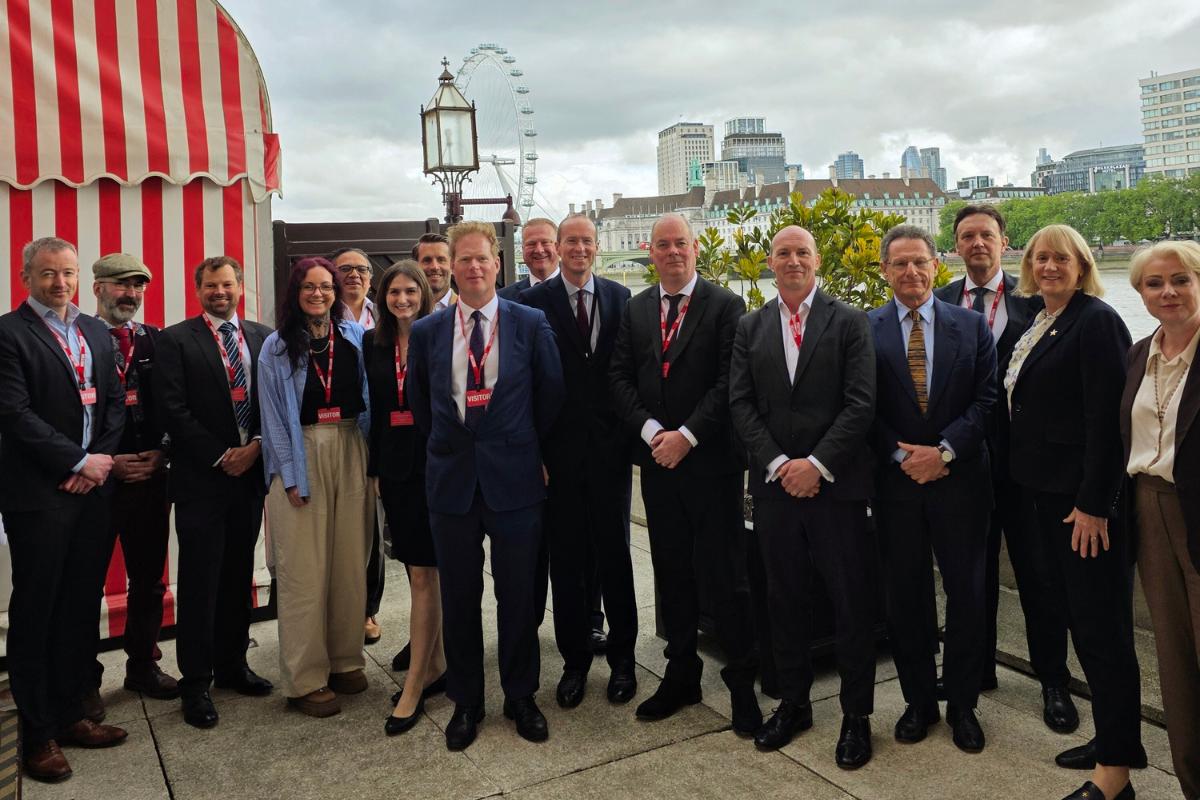
Influential gathering of business executives calls for radical growth plan to turbocharge UK economy
The UK’s technology industry needs to put an end to ‘AI scaremongering’ and British firms need to make the case for strategic adoption of the technology to boost the economy, according to an influential panel of industry leaders.
The proposals, discussed in the House of Lords AI Summit on Thursday, saw a gathering of CEOs, founders and entrepreneurs meet to debate the impact the technology will have on the jobs market.
The event, hosted by Lord Elliott of Mickle Fell, who is CEO of business charity The Jobs Foundation and chaired by Steven George-Hilley, Founder of global comms agency Centropy PR saw 20 executives discuss the national roll-out of AI across key industries, debating key topics such as security, productivity and the skills shortfall.
The vital role employers should take in using the technology to upskill and re-skill workforces
One area covered included the vital role employers should take in using the technology to upskill and re-skill workforces, to drive productivity and create opportunities for the next generation.
Fintech expert Andrew Morgan, Chief Product Officer,MahiMarkets said: “The scaremongering around AI misses what it actually is: the strongest enabler for entrepreneurs and small teams in a generation. People can build businesses, enter new markets, and compete with institutional players from a laptop. The barriers to entry have never been lower, and that’s where Britain’s growth comes from.”
Meanwhile Jon Jorgensen, Co-CEO of The Access Group, said: “AI is changing the way people work, and in my experience, better tools have always made better people. Every generation of technology has proven that, and AI will be no different.”
Entrepreneur JC Townend, President, UK & Ireland, The Adecco Group, added: “We believe that AI represents a huge opportunity for people and society, but only if we collaborate across government, education and the private sector to keep people at the heart of our plans. We face the biggest transformation of the world of work in a generation, and we must ensure we equip people with the skills to stay engaged and relevant, with meaningful careers. It is imperative that we proactively work to shape a future where people and technology can work in harmony for the good of the economy, society and all humanity.”
Cyber chief Charlotte Wilson, Head of Enterprise Business UKI at Check Point said: “AI-enabled cyber attacks pose an existential threat to the UK’s economic future, unless drastic action is taken to equip businesses with critical cyber defences. Growing volumes of increasingly sophisticated and devastating attacks are poised to wreak havoc across the banking industry and supply chains, hitting growth hard. With this in mind, cyber resilience must remain at the top of the boardroom agenda for the long term.”
Andrew Bud, founder and CEO, iProov said: “AI creates many new ways for businesses to generate value, but it also creates new threats. The ability to distinguish between an AI agent and a genuine human, genuinely present, is becoming fundamental to cyber safety. And AI itself is helping us monitor and manage the threats to genuine human assurance from AI-powered attacks.”
“Many businesses are lacking the support needed to adopt AI strategically, and pressure for short-term returns are forcing some SMEs into unsustainable, reactive AI adoption. The House of Lords discussion reinforced growing consensus that Government support must prioritise access to expertise, AI education, and retraining for roles at risk of automation,” said Kate Rand, CEO of ServeLegal.
Responses