
IN4 Group to train and place 1,000 career break mums and carers in high skilled data roles
The free to access Power of MIND (Mums in Data) Programme from IN4 Group plans to train and place 1,000 career break mums and female…

Digital skills in Further Education are the ability to use and understand technology. This includes things like using computers, the internet, and various software programs. In Further Education, students can learn how to use these digital tools to study, work, and solve problems.
The digital skills gap in the UK presents a formidable challenge, as revealed by a survey of 500 businesses where a striking 93% acknowledge a gap in IT skills within the job market. This disparity is primarily attributed to the rapid evolution of technology, including advancements in artificial intelligence, data analytics, and cloud computing, creating a demand for skills that outpaces their supply.
Training and development issues contribute significantly, with 41% of businesses citing a lack of training opportunities, while 37% point to the absence of relevant educational programs. The competitive nature of the job market poses another hurdle, as noted by 35% of businesses, who struggle with the scarcity of skilled candidates amid abundant opportunities in sectors requiring digital skills.
Additionally, 29% of businesses highlight salary differences, indicating that higher-paying industries are luring IT professionals away, exacerbating the challenge of recruitment and retention in sectors facing the skills shortage. Addressing these multifaceted issues is imperative for closing the digital skills gap and ensuring a workforce equipped with the requisite IT skills for the ever-evolving job landscape.
Colleges are increasingly adopting learning analytics dashboards. They are also adopting AI-driven adaptive learning platforms. Their goal is to leverage student data and better support student success. Leading innovations like predictive algorithms that identify at-risk students early on show promise. Personalised learning tools that provide customised content also show promise. However, significant implementation challenges persist. These include challenges around proper data governance, addressing algorithmic biases, and providing robust training for instructors integrating these technologies.
As higher education institutions continue expanding blended and online learning programs, college administrators face a challenge. They need to promote equitable access and engagement for all learners. Yet there are varying levels of internet connectivity across the student body. There are also varying levels of digital skills and disability support resources. Proactive investments in campus and community technical infrastructure can help. Responsible digital equity policies can also help. Examples include device/hotspot lending programs, expanded OER textbook adoption, streamlined accessibility compliance review, and introductory edtech workshops for students. Together these technology access programs and policy initiatives can help identify and rectify participation gaps.
Adaptive learning platforms and data-driven student success apps rely on collecting wide swaths of student usage data. This data powers their artificial intelligence capabilities. It also enables personalised recommendations. However longer data retention periods introduce vulnerabilities. These vulnerabilities could negatively impact student privacy rights. Higher education leaders need to have inclusive policy discussions. They should closely involve all stakeholders. These include students, IT professionals, instructors etc. The goal should be appropriately balancing educational technology integrations with adequate data governance safeguards.

The free to access Power of MIND (Mums in Data) Programme from IN4 Group plans to train and place 1,000 career break mums and female…

Morgan Sindall Construction will continue its work with Bradford College following its appointment as contractor for the purpose-built Future Technologies Centre. Having previously undertaken phase…

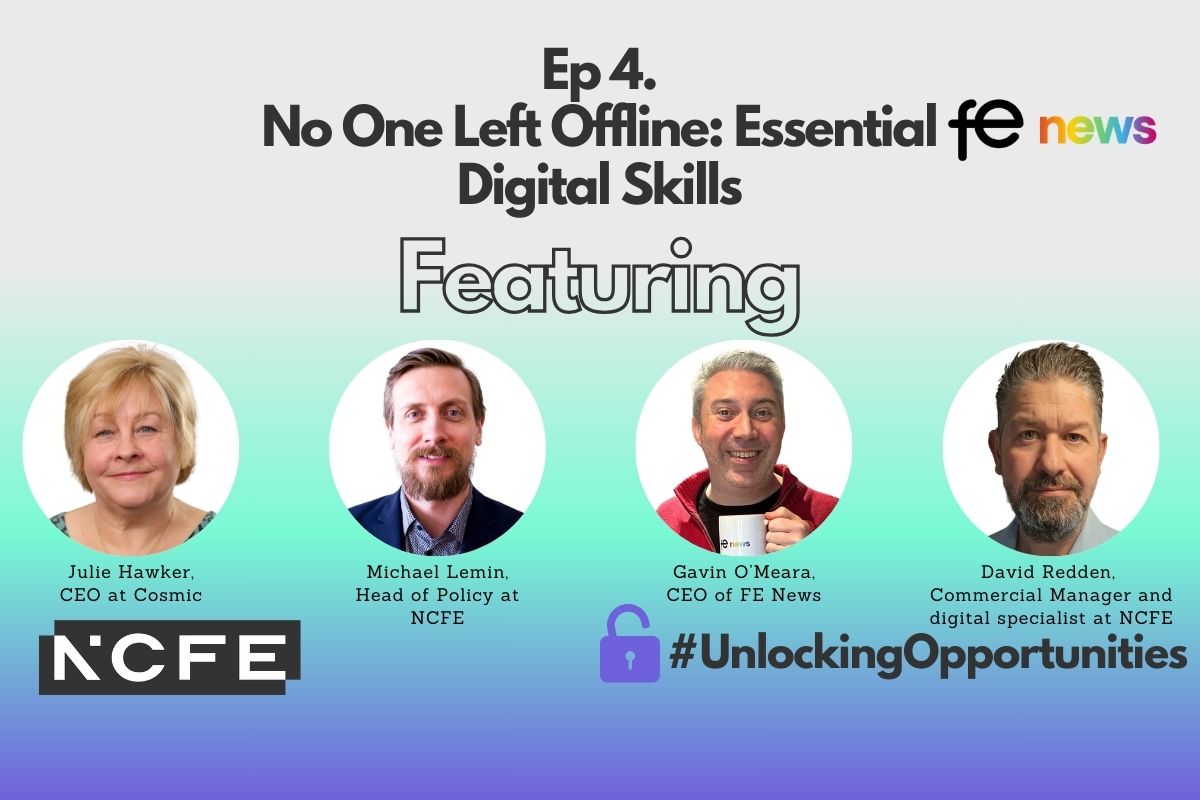
Welcome to Episode 4 of Unlocking Opportunities: No One Left Offline: Essential Digital Skills. This is a new livestream season in partnership with FE News…


New report from Jisc highlights how shared approaches to digital, data and technology can support long-term sustainability for higher education providers UK higher education (HE)…

A multimillion-pound renovation project at Bradford College has transformed a derelict mill into a flexible digital, science, and allied health training facility for higher-level students. Garden Mills on Thornton Road…

The 2023/24 digital experience insights survey for higher education students reveals differing experiences of digital learning technology and AI. Over 28,000 students from 37 universities…

A new campaign has launched today (02 September) to better understand the UK’s digital skills and raise awareness of the barriers in society. Created by…

Becky Simms, CEO of Aspiration Digital, is now calling for stronger collaborations with educational institutions, industry leaders, and policymakers to ensure that digital careers are…

Bradford College (@BradfordCollege) and other apprenticeship providers and employers from across the region gathered at the Cedar Court Hotel in Bradford to celebrate exceptional achievements…

Following a recent trip to Australia, Scott Parkin, Group CEO of the IEP, emphasises the importance of face-to-face interactions in building successful business relationships, particularly…
Please confirm you want to block this member.
You will no longer be able to:
Please allow a few minutes for this process to complete.