
Numeracy for Life: Showing our workings so far

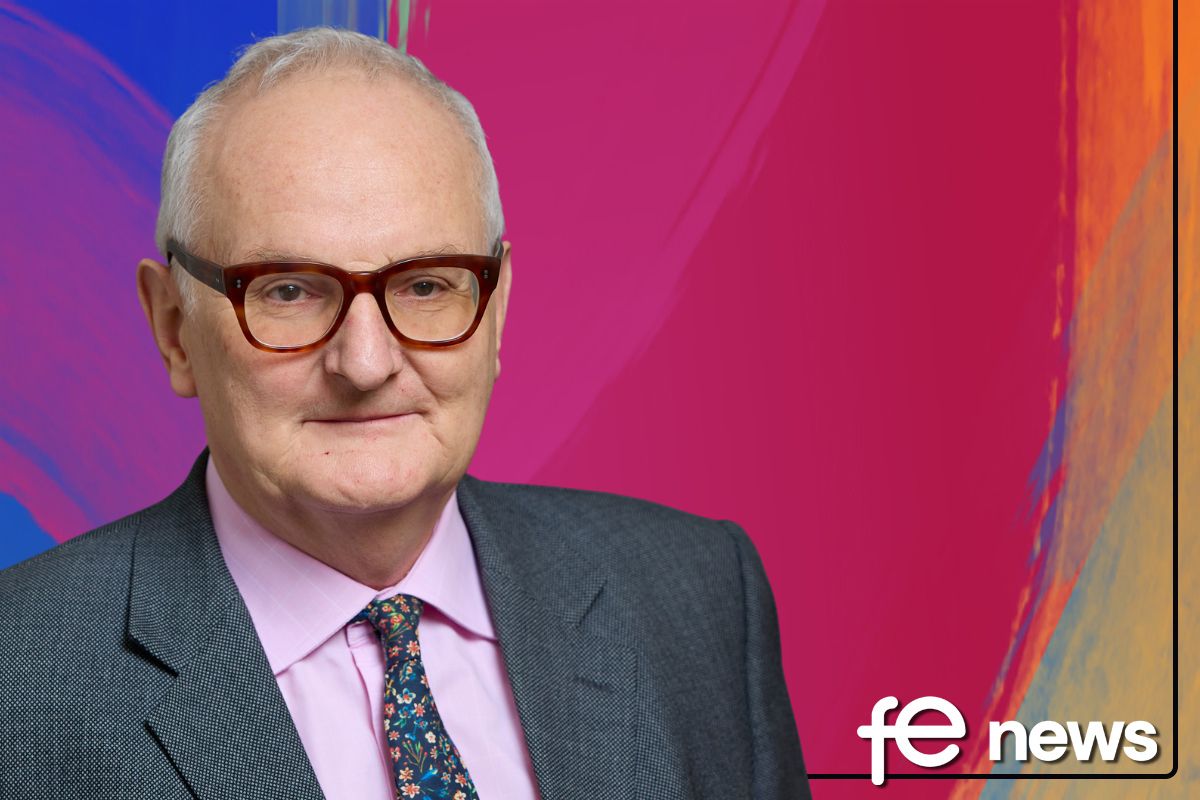
Lord Agnew, Chair of the House of Lords special inquiry Numeracy for Life Committee provides an update on the Committee’s year-long inquiry.
The cross-party House of Lords Numeracy for Life Committee has finished taking evidence. Over the last few months, we have heard from thirty-nine witnesses including further and adult education institutions, the Association of Colleges (AoC), academics, employers, charities, campaigners and the Minister for Skills. We have also received seventy written evidence submissions.
Metrics, such as those from the Organisation for Economic Co-operation and Development (OECD), show numeracy skills have improved in the UK, and that it is now above average compared to similar nations. Before we get too self-congratulatory, it is worth delving deeper into the data. The reality is that 52% of adults have the numeracy skills expected of an 11-year-old or below, whilst improvements in maths results in schools are mainly due to the performance of already high achievers. National Numeracy told us that socio-economic background is the primary indicator and particular groups, based on ethnicity, age and gender continue to struggle.
As Rishi Sunak told us during his recent evidence session, “people with poor numeracy end up earning less and are much less likely to be in employment.” It also affects every-day life, such as healthcare and medication, career progression, financial matters and helping children with homework.
Adult numeracy skills and Multiply
Throughout the inquiry, we have heard about the vital role further and adult education providers play in helping adults improve their numeracy skills.
We heard how Multiply allowed colleges to deliver flexible numeracy programmes to adults in partnership with other agencies. Whilst the evaluation hasn’t accurately demonstrated whether participants’ numeracy skills have improved it is clear from the evidence how successful the programme has been in engaging a large number of adults in their communities and improving their confidence. It is the Government’s intention that that success will continue with tailored learning through the Adult Skills Fund.
With the success of Multiply and 70% of the budget for adult skills devolved to those parts of the country with Mayoral Authorities, there seems to be genuine and widespread support for local flexibility in the design and delivery of adult skills provision. On the other hand, we have been warned that an increase in devolution may make it more difficult to maintain a consistent national approach to numeracy to ensure it is prioritised.
Early Years and Financial numeracy
Whilst we decided at the start of the inquiry to focus largely on the ‘for life’ element of the Committee, early years education is intrinsically linked to adult numeracy. If teachers, parents, grandparents and carers aren’t number confident, it has an impact on children. They are less likely to bring numeracy into play, reading and everyday life. This is vital in nurturing and enhancing the maths skills and number sense they are developing in school.
It also has an impact as children grow older, with parents who lack financial understanding and are unable to offer financial advice and guidance about student loans, savings and debt, mortgages, tax and pension schemes.
GCSE resits and alternative provision
From the evidence we have received, it is difficult to imagine how young people, who have struggled with numeracy throughout their education journey, can gain number confidence when they are expected to continue taking GCSE maths resits, which they are statistically more likely to fail.
We will have to wait and see how the proposed new Level 1 mathematics ‘stepping stone’ qualification will promote and maintain confidence and ensure more learners achieve Grade 4 GCSE maths. The fear is it will become a stepping stone instead to the same barriers students have been facing to progress in their chosen career or onto higher education.
The elephant in our committee room, throughout the inquiry, has been the role and effectiveness of Functional Skills Maths Qualification. It clearly isn’t effective for employers, providers or students as an alternative to GCSE maths. It is surprising, however, that as it was intended to be a practical alternative to the academic GCSE, the opportunity to reform and improve it in the white paper was missed.
Several witnesses have been buoyed by the numeracy passports or driving licences being developed by awarding bodies. However, in our recent evidence session with the Skills Minister, Baroness Smith of Malvern, it was made clear that GCSE is the ‘Gold Standard’ qualification and what young people should be working towards. If there is no appetite for the Government to entertain an alternative Level 2 qualification to GCSE maths, then the crucial question remains of what we can do earlier in schools to support more young people to achieve a Grade 4 pass.
Next steps
I have been very clear throughout the inquiry that to have any impact our final recommendations need to be helpful to the Government with practical and low-cost solutions.
At the end of each evidence session, I have asked witnesses for one practical recommendation they would like to see in our report.
The responses have been wide ranging from creating an English Language version of Maths, holding a national year of numeracy, integrating numeracy into sector-based training and apprenticeships and ensure fair level adult skills funding.
Our report with final findings and recommendations will be published in November 2026.
By Lord Agnew, Chair of the House of Lords special inquiry Numeracy for Life Committee
Responses