
Phil Smith on Jobs Plans, the Employability Skills Framework and Keeping Pace with AI

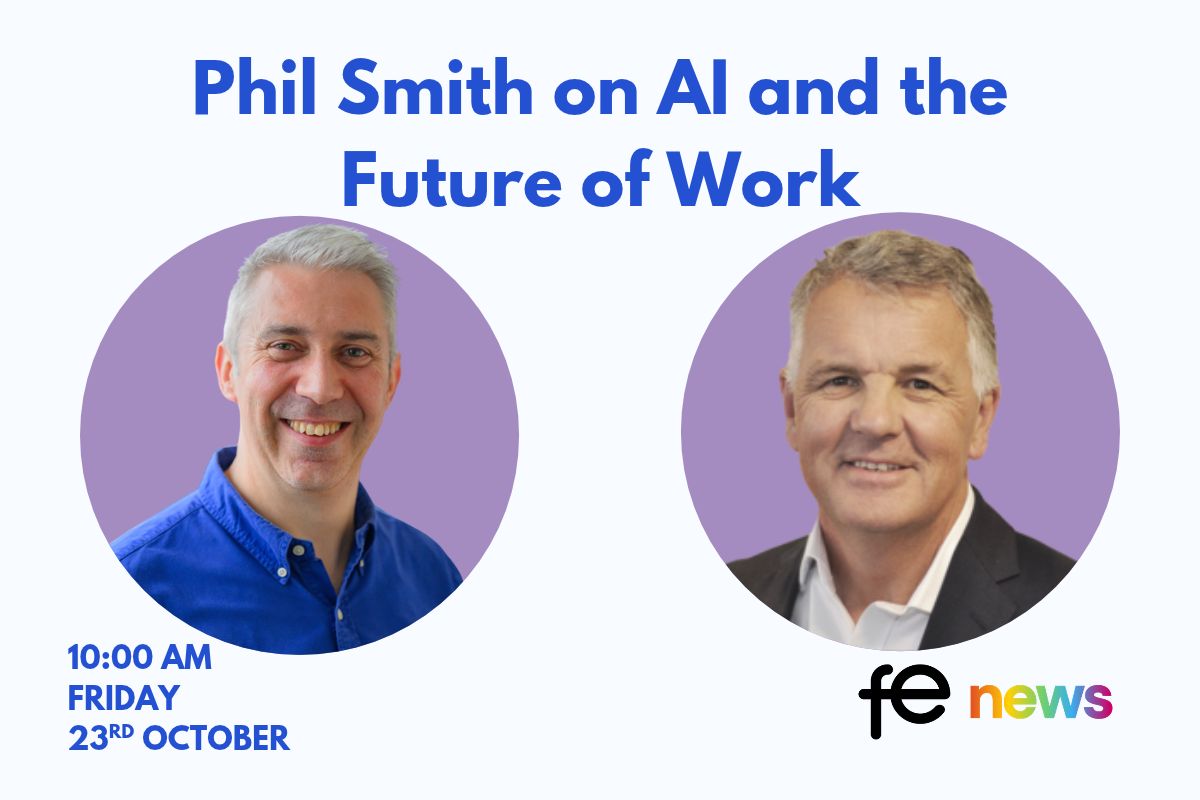
Phil Smith, Chair of Skills England, catches up with Gavin from FE News. They last spoke in the summer to unpack Skills England’s Annual Report, looking at the Local Skills Compass and a common language of skills. This time Phil gives an update on the next phase of the Employability Skills Framework, which builds on the Standard Skills Classification. He explains how it will help young people describe the skills they have gained through work experience, from serving customers in a coffee shop to managing risk in a caring role, and help employers recognise those skills.
This week several more Jobs Plans were published for the industrial strategy growth sectors, alongside health and social care and construction, which Skills England also covers. Phil explains how the plans bring industry and government together to address the skills shortages identified in Skills England’s skills needs assessment, and points to commitments such as 22,500 new apprentices under 25 in professional and business services and 14,000 in defence. The priority sectors are expected to create around 1.8 million jobs, roughly a 25 per cent increase, which Gavin sets against the 691,000 vacancies reported in the latest ONS labour market data.
Keeping Pace with Changing Skills
Gavin and Phil discuss the impact of AI and automation on the world of work, including the Early Careers Jobs Alliance’s work on how entry level roles in law and accountancy are changing, and how Skills England is making sure the system can adapt quickly enough. Phil talks about the Skills for Work programme and its review of the 700 or so apprenticeships and the occupational standards behind them, the funding bands review requested by Jacqui Smith, and how the system should treat specialist sectors such as maritime. He also shares a story from a Sainsbury’s supply chain manager about feta cheese, and why a product with few buyers can still matter to a store’s best customers, as a lesson in judging apprenticeships with low take up.
They go on to discuss the Milburn, Mayfield and Timms reviews, the focus on the 891,000 young people who are NEET, and what more can be done for the much larger number of adults out of work, including 2.7 million who are economically inactive due to ill health. Phil makes the case for shorter courses and apprenticeship units for reskilling, and for the UK to build its own version of Singapore’s approach to lifelong learning, using technology to make training far easier to find.
Watch the full interview below:
Responses