
Skills, Apprenticeships and Opportunity: Securing the Future of Welsh Hospitality

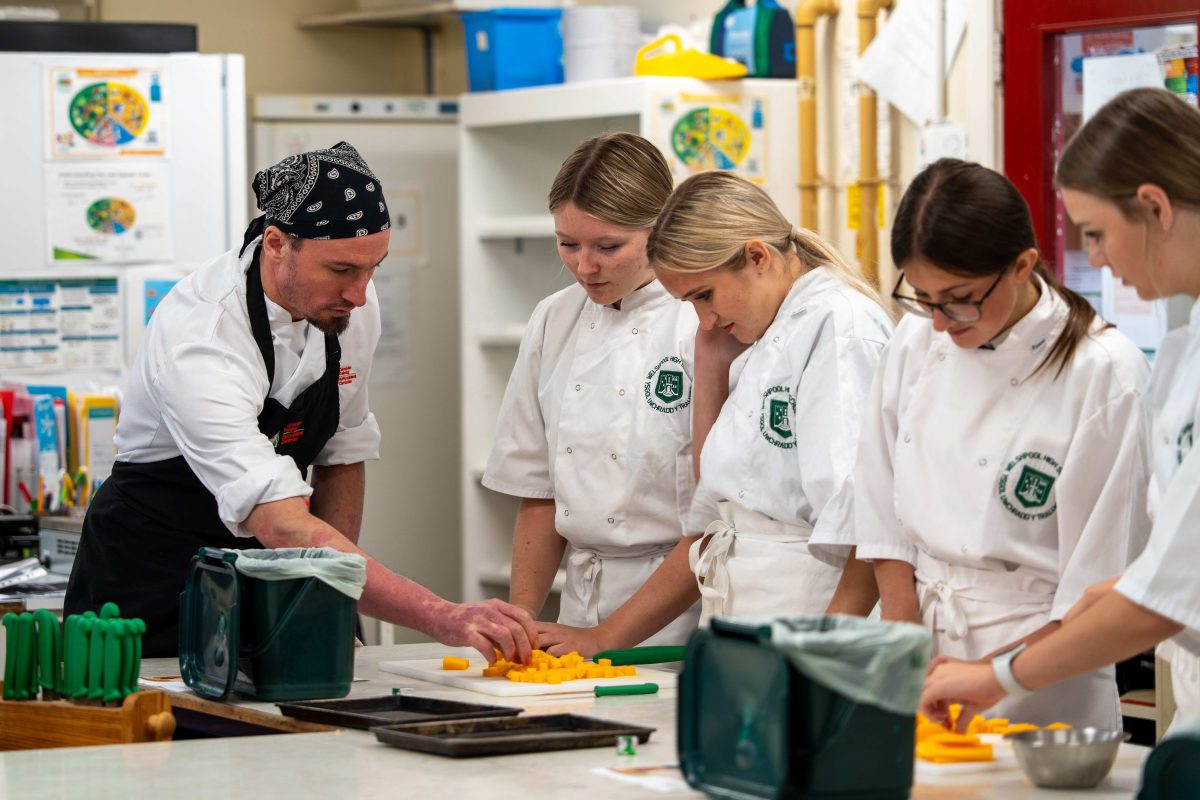
Wales’s hospitality sector is navigating one of the most turbulent periods in its modern history. Despite its central role in the nation’s economy—contributing £3.8 billion to gross value added (GVA) and supporting thousands of jobs—the sector is under immense strain.
Rising costs, weakening consumer demand and a challenging tax environment have pushed many businesses into what industry leaders describe as “survival mode.” Yet amid these pressures, skills and work based learning apprenticeships offer a powerful route to resilience, growth and long term excellence.
A Sector Under Severe Pressure
Wales’ hospitality sector is facing a mounting financial crisis. Food costs for many operators have doubled or tripled, energy bills remain up to three times higher than before the crisis, and payroll costs continue to rise. The Welsh Government’s 2026/27 Budget has added further pressure, with UKHospitality Cymru warning of a £122 million rise in business rates over three years—a 63% jump many say they simply cannot absorb.
At the same time, customers are spending less. Over a third of UK households are eating out less, and those who do are cutting back on extras, according to YouGov’s GB Dining Out Report 2025. For many Welsh operators, this squeeze on costs and revenue is already forcing reduced hours, staff cuts, and in some cases, owners going without pay just to keep their doors open.
Skills and Apprenticeships: A Lifeline for the Sector
Despite the pressures facing the sector, hospitality remains one of Wales’s strongest skills engines. It offers accessible entry level jobs, clear career pathways and high quality apprenticeships that build essential skills in customer service, digital systems, food production and leadership—capabilities that benefit the wider Welsh economy, not just the sector itself.
The Welsh Government’s decision to waive employer National Insurance contributions for apprentices under 25 is a genuinely helpful step. At a time of rising payroll costs, this relief eases financial pressure and supports continued investment in young talent. As Faith O’Brien, Managing Director of Cambrian Training Company, puts it: “This NI relief is one of the few measures that genuinely helps employers keep apprentices in the business. At a time when every penny counts, it’s a lifeline that protects training and protects jobs.”
However, cuts to apprenticeship places in the 2025–26 Welsh Budget risk stalling this progress. When margins tighten, training is often the first casualty—weakening the long term skills pipeline the sector relies on. Sustained investment in work based learning is essential if Wales is to maintain a resilient, high quality hospitality workforce.
The sector also has a rare opportunity ahead: Wales will host the Worldchefs Congress & Expo in May 2026, putting Welsh hospitality and food and drink on a global stage and inspiring the next generation of talent. As Faith O’Brien notes, “this once in a generation platform can only be seized if Wales continues to invest now in the skills that will shape the sector’s future.”
Building a Stronger Future
The challenges facing Welsh hospitality are real and urgent—but the stakes go far beyond individual businesses. This is a sector that underpins local economies, supports community wellbeing and provides one of Wales’s most effective routes into skilled, long term employment. With sustained investment in apprenticeships, skills and work based learning—backed by targeted financial relief—hospitality can continue to drive Wales’s economic health and future prosperity. Wales has the talent and the opportunity; what it needs now is the long term commitment to develop the workforce that keeps this vital industry strong.
Responses