
The City of Liverpool College to take leading national role in Clean Energy skills development

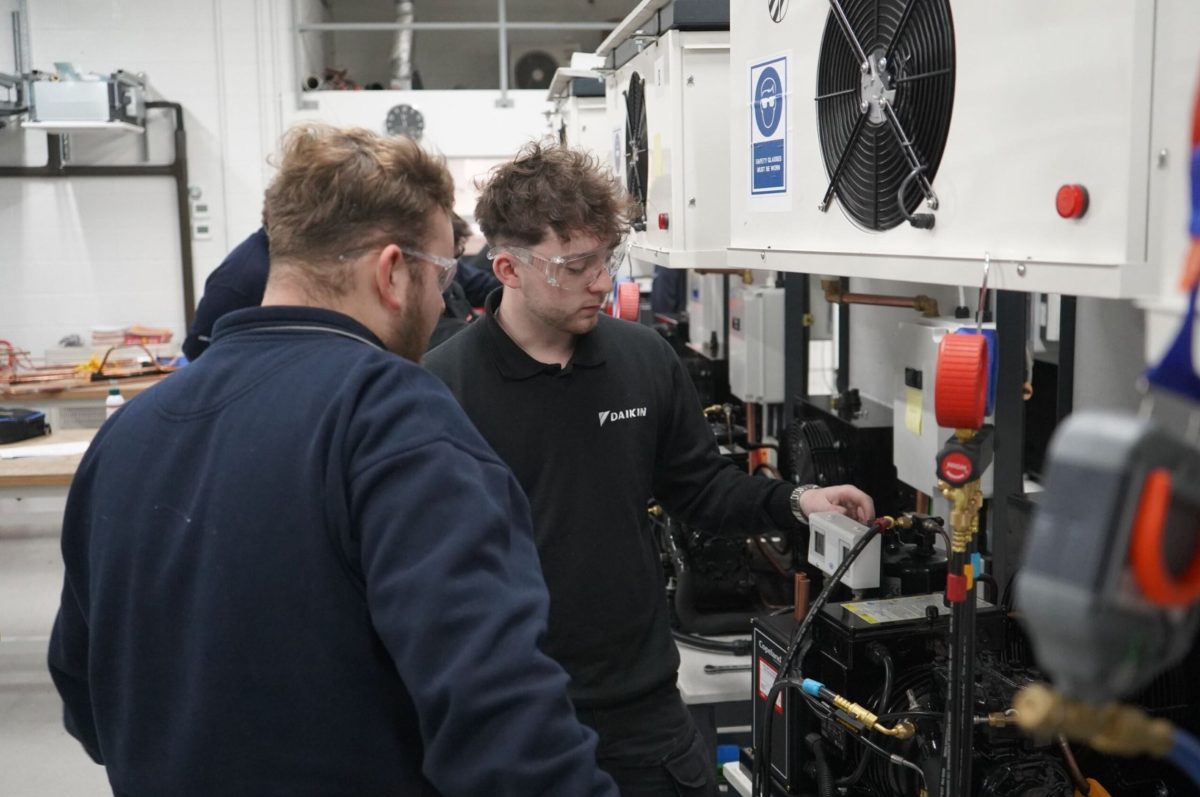
The City of Liverpool College has been awarded a leading national role in clean energy skills development, the Department for Education confirmed today as it designated the college a Technical Excellence College (TEC) for clean energy. The TECs will work with employers, representative bodies, trade unions, strategic authorities, and local government to spearhead the national plan to meet critical skills needs, provide people with better training and job opportunities, and to provide the highly trained workforce that local economies need.
The appointment of the college as a Clean Energy Technical Excellence College (CETEC), one of five across the U.K, follows a stringent review by the department and key government stakeholders, on a provider’s ability to demonstrate excellent achievement rates, a curriculum aligned to the national and regional priorities in clean energy and exceptional employer partnerships.
The announcement will see the College established as a hub of excellence for clean energy skills, sharing excellence across the skills sector and co-ordinating investment in skills solutions for the clean energy industries. Each TEC ‘hub’ will offer advanced facilities, expert staff, and high-quality curricula developed with industry. These hubs will collaborate with and support other FE partner providers (‘spokes’, including FE Colleges, Independent Training Providers and University Technical Colleges) by sharing specialist training, resources, and expertise, uplifting teaching quality, expanding learner access, and aligning provision with employer and industry needs. They will also work closely with Higher Education institutions to support learner pathways.
Elaine Bowker, principal and Chief Executive of The City of Liverpool College said:
“This is an outstanding opportunity for both our region and the college to be at the forefront of clean energy skills development. It’s also an acknowledgement of the outstanding work we do at the college with local and national employers in this sector. The hub and spoke model will see us deepen our existing relationships with other leading provider across the North West region including our delivery partners The Manchester College and Cheshire College and our collaborating partner Blackpool and The Fylde College, all of whom have supported us in our bid”
Elaine added
“As the anchor further education institution in the city region, I’m delighted that the work we’ve undertaken in developing relations with leading businesses in the sector and our curriculum colleagues has been recognised and rewarded with this opportunity. Clean Energy is a key strategic pillar of both our national and local economy and it remains paramount that we remain at the forefront of skills development in this area”
Skills Minister Jacqui Smith said:
“The industries that will define Britain’s future – clean energy, advanced manufacturing, defence, digital – need a pipeline of highly skilled workers, and we’re building it.
“This investment in new Technical Excellence Colleges will give learners across England access to world-class training and a clear route into well-paid, rewarding careers. And because the best colleges will share their expertise with others, the whole country benefits.
“This is skills investment that works for learners, for employers, and for the regions driving growth across the country. They’ll deliver local jobs for local people, as well as growth for the whole of the country.”
The college will share a proportion of the £175m over 4 years allocated to the establishment of TECS announced in the Post 16 Education and Skills White paper funded jointly by the Department for Education, Ministry of Defence, and the Department for Business and Trade.
Steve Rotheram, Mayor of the Liverpool City Region, added:
“This announcement is a hugely welcome step forward and recognises that The City of Liverpool College is one of the country’s leading hubs for clean energy skills. If we’re serious about leading the transition to a low-carbon future, it’s vital that we train local people with the expertise needed to drive it – keeping our supply chains rooted in our communities and creating high-quality jobs for local residents. It’s not only strengthening our regional economy, but also helping to ensure the UK becomes more self-sufficient in clean, renewable energy for the future.
“I’ve been bold in my ambition to position our region as a leader in the UK’s green energy revolution – that’s why I’ve set a goal to be net zero by 2035 – the most ambitious target in the country. But I’m under no illusions: if we’re going to get there, we need a workforce equipped with the right skills and knowledge to make it happen. That’s why this designation is so important for the jobs of the future.”
Responses