
How to turn accidental managers into accomplished leaders
In today’s professional landscape it’s not uncommon for workers to find themselves in managerial roles without formal training. It’s so common in fact that it…

An apprenticeship is a real job where you learn, gain experience and get paid. You’re an employee with a contract of employment and holiday leave. By the end of it, you’ll have the right skills and knowledge needed for your chosen career.
To embark on your apprenticeship journey, ensure you:
*You can apply for an apprenticeship while still in school.
Real Job, Real Pay: Earn a wage and enjoy holiday pay while working in your chosen field.
On-the-Job Learning: Work alongside seasoned professionals, gaining practical, job-specific skills.
Structured Training: Allocate time for training and study related to your role, whether at your workplace, a college, with a training provider, or online.
With over 600 different apprenticeships available, there’s a perfect match for every career aspiration. You can view all types of apprenticeships on GOV.UK.
The apprenticeship levy is paid by large employers with a pay bill of over £3 million. Currently, only 2% of employers pay the levy, which is set at a rate of 0.5% of their total annual pay bill.
Levy funds are used to pay for apprentices to achieve qualifications that are set out in their approved apprenticeship training programme and are deemed necessary to being effective in the job, such as a degree or a diploma.
Find out more about the Apprenticeship Levy here
Frameworks, developed by sector bodies, are used to assess apprenticeships. Frameworks are primarily qualification-focused. The main aim at the end of a framework is to have achieved a competency-based qualification, such as an NVQ, and a technical qualification, such as a BTEC.
A standard contains a list of the skills, knowledge and behaviours an apprentice will need to have learned by the end of their apprenticeship.
Standards are occupation-focused; they are not qualification-led. The learning happens throughout the apprenticeship. And the apprentice is assessed at the end. They need to prove that they can carry out all aspects of their job.
You could get a job with your current employer once you have finished. They might like to hire you because they trained you and know you can do the job well.
You could also:
You can watch videos of real apprentices talking about their experiences, including what they did afterwards.
Apprenticeships come in four different levels:
Intermediate: Level 2
Advanced: Level 3
Higher: Level 4 or 5
Degree Apprenticeship: Level 6 or 7
For equivalent educational levels, refer to GOV.UK.
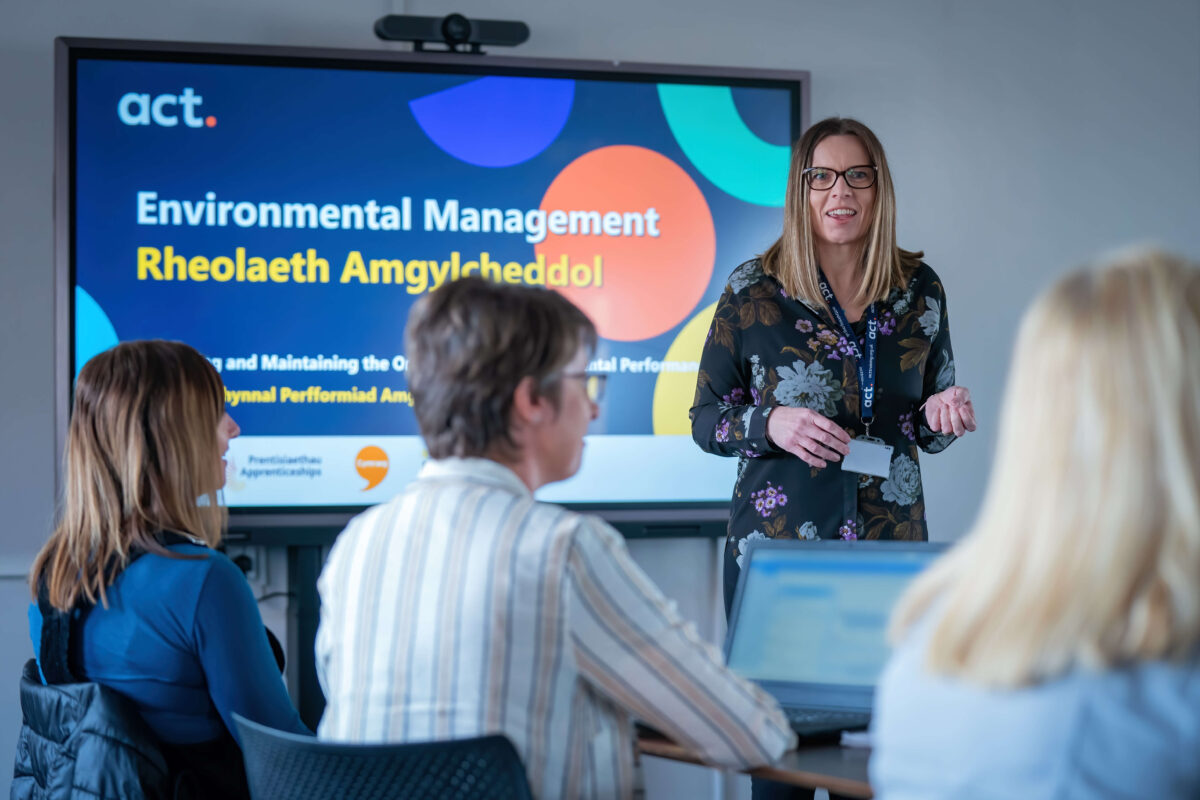
In today’s professional landscape it’s not uncommon for workers to find themselves in managerial roles without formal training. It’s so common in fact that it…

Trainers at one of Wales’ leading work-based learning providers have been praised for becoming learners to enhance their skills and knowledge through apprenticeships to develop…

What Do the Reforms Mean for Apprenticeship Assessment in England? The recent release of Ofqual’s consultation on their revised policy approach to apprenticeships, along with…


Welcome to FE Soundbite Edition 802: 21st June 2025 | Ofqual Proposes Scrapping End-Point Assessments, What Next? | FE Soundbite Edition 802 This is the…

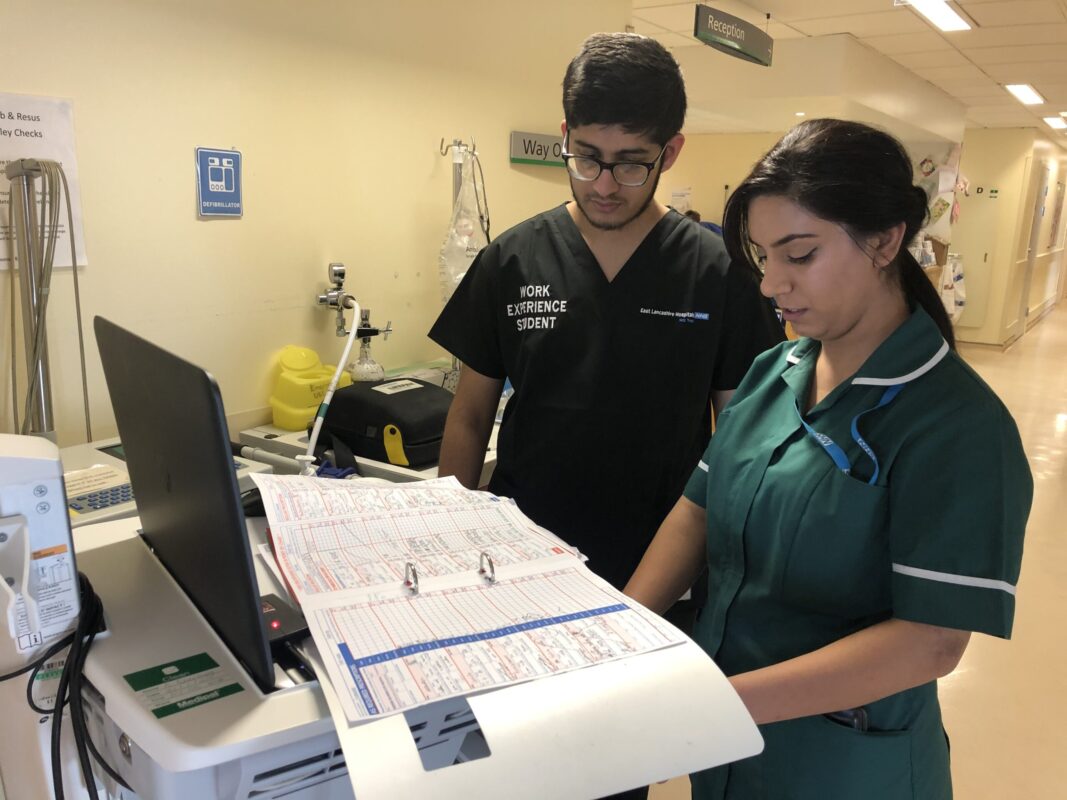
A new report published today reveals a paradox at the heart of the NHS workforce crisis: healthcare has surged into the top two career choices…


England’s apprenticeship system is riddled with poor quality training and high dropout rates, according to new research by the Sutton Trust. The report, A World of Difference, provides an…


An organisation that represents training providers across Wales is challenging the Welsh Government to follow the UK Government’s lead by prioritising investment in skills and…

New data from First Intuition reveals a shift in how UK accountancy employers are building their talent pipelines. Apprenticeships are the preferred route into accountancy…


Some of the brightest stars in West Yorkshire’s manufacturing and engineering sectors have been honoured, as employers gathered to celebrate the next generation of talent…

Rooted in industry, responsive by design, and grounded in real-world skills, Work-Based Learning offers insights that can inform how we prepare learners for a future…

Please confirm you want to block this member.
You will no longer be able to:
Please allow a few minutes for this process to complete.