
Reel #9: Advice for Reasonable Adjustments
It’s time for the penultimate episode of the FE News and Cognassist Neurodiversity: Empowering Learning and Employment series. Reel #9 breaks down reasonable adjustments in…

Neurodiversity encompasses the spectrum of natural neurological differences in human cognition, spanning sociability, learning, attention, mood, and various mental functions. This term encompasses conditions like autism, ADHD, dyslexia, dyscalculia, and other neurological diversities.
Viewed as an asset, neurodiversity fosters heightened creativity, problem-solving skills, and the cultivation of unique talents. It underscores the importance of understanding and accepting neurological differences rather than attempting to “fix” them.
But why is neurodiversity considered an asset?
Neurodiversity is seen as an asset because it brings forth increased creativity, problem-solving ability, and the development of unique talents and skills. It emphasizes the importance of understanding and accepting neurological differences rather than attempting to ‘fix’ them.
And why is discussing neurodiversity in further education crucial?
Discussing neurodiversity in further education is crucial as it helps create an inclusive and supportive learning environment for all students. By acknowledging and understanding neurological differences, educators can ensure that their teaching is accessible to every student, regardless of their unique learning styles.
Moreover, addressing neurodiversity reduces stigma and promotes a culture of acceptance within educational settings.
Discussing neurodiversity in the workplace is essential for creating an inclusive atmosphere where individuals, irrespective of their neurological differences, feel acknowledged and respected.
So, how does neurodiversity contribute to innovation in the workplace?
Neurodiversity contributes to workplace innovation by fostering a range of thinking and processing styles. Celebrating the diverse ways in which individuals approach problem-solving leads to more innovative solutions, creative ideas, and enhanced team collaboration.
Ultimately, acknowledging and embracing diverse ways of thinking and processing information contributes to the creation of a more equitable and diverse workplace.
It’s time for the penultimate episode of the FE News and Cognassist Neurodiversity: Empowering Learning and Employment series. Reel #9 breaks down reasonable adjustments in…
How do we learn? It’s sometimes amazing to think that people aren’t taught how to learn or the processes we use when we learn. Reel…

We were #OnLocation at the EdTechX Summit where we had the opportunity to interview Carla Aerts, EdTech Innovator and Leader. In this interview, Carla Aerts discusses…


Neurodiversity, encompassing conditions such as Autism, ADHD, Aspergers, Dyslexia, and Tourettes, affects a significant portion of the population, with estimates suggesting up to 15% of…
The world of neurodiversity sees an almost infinite variation in how we think and learn. Being neurodifferent can require support at varying degrees, and it’s…
This episode, we’re going back to education and looking at how practitioners can evidence their learning support. Because without evidence, there’s no accountability or proof…

Have you considered that transitioning into the engineering field with neurodiverse challenges can present unique considerations and opportunities? Neurodiversity is a concept that embraces the…
It’s hard to talk about the law and legal protections surrounding neurodiversity in a way that doesn’t sound like fearmongering. This series on Neurodiversity: Empowering…
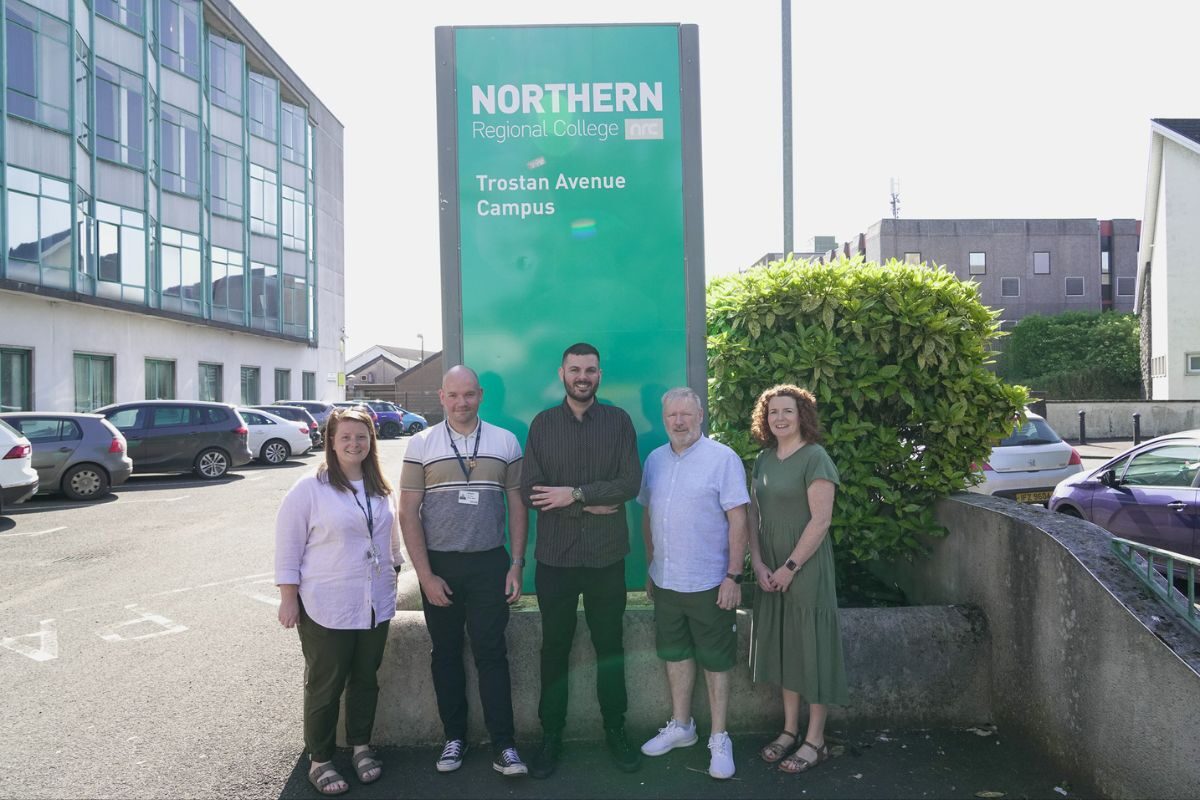
As part of its ongoing commitment to raise awareness about autism and promote social inclusion and autism acceptance, Northern Regional College invited internationally renowned autism…
When talking about neurodiversity, it’s all too easy to focus on the barriers and challenges people face without taking the time to celebrate the strengths…
Please confirm you want to block this member.
You will no longer be able to:
Please allow a few minutes for this process to complete.