College students hear from crime and justice experts
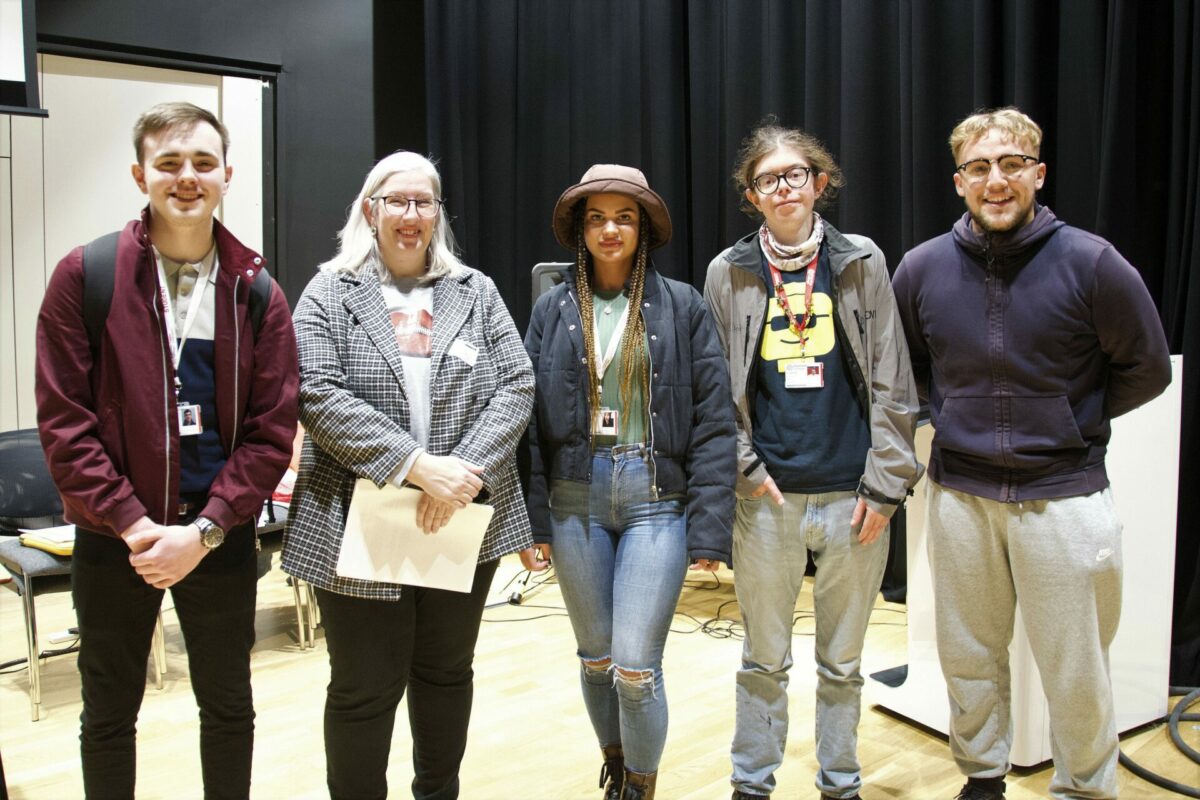
Barnsley College students have had the opportunity to hear from a range of industry experts as they learn more about the world of crime and…
Neurodiversity encompasses the spectrum of natural neurological differences in human cognition, spanning sociability, learning, attention, mood, and various mental functions. This term encompasses conditions like autism, ADHD, dyslexia, dyscalculia, and other neurological diversities.
Viewed as an asset, neurodiversity fosters heightened creativity, problem-solving skills, and the cultivation of unique talents. It underscores the importance of understanding and accepting neurological differences rather than attempting to “fix” them.
But why is neurodiversity considered an asset?
Neurodiversity is seen as an asset because it brings forth increased creativity, problem-solving ability, and the development of unique talents and skills. It emphasizes the importance of understanding and accepting neurological differences rather than attempting to ‘fix’ them.
And why is discussing neurodiversity in further education crucial?
Discussing neurodiversity in further education is crucial as it helps create an inclusive and supportive learning environment for all students. By acknowledging and understanding neurological differences, educators can ensure that their teaching is accessible to every student, regardless of their unique learning styles.
Moreover, addressing neurodiversity reduces stigma and promotes a culture of acceptance within educational settings.
Discussing neurodiversity in the workplace is essential for creating an inclusive atmosphere where individuals, irrespective of their neurological differences, feel acknowledged and respected.
So, how does neurodiversity contribute to innovation in the workplace?
Neurodiversity contributes to workplace innovation by fostering a range of thinking and processing styles. Celebrating the diverse ways in which individuals approach problem-solving leads to more innovative solutions, creative ideas, and enhanced team collaboration.
Ultimately, acknowledging and embracing diverse ways of thinking and processing information contributes to the creation of a more equitable and diverse workplace.
Barnsley College students have had the opportunity to hear from a range of industry experts as they learn more about the world of crime and…
Association for Project Management (APM), the chartered body for the project profession, has today announced the winners of its Festival of Education and Research –an…
Welcome to episode three of the Neurodiverse Life podcast from @Cognassist: In our final episode, Helen is joined by Chanté Joseph, content creator, presenter of…
There is no denying that the modern workforce is more generationally diverse than ever before – As Gen Z (those born between 1997 and 2012)…
Under the Education Inspection Framework, there’s a framing question that sums up quality for learning providers to a single point: “What is it like to…
Industry Insight: Short form corporate learning content enters the mainstream: Over the last few years, we have seen apps such as TikTok and features like…
Milton Keynes College Group has been given planning approval by MK Council for the new home for the South Central Institute of Technology (SCIoT) at…
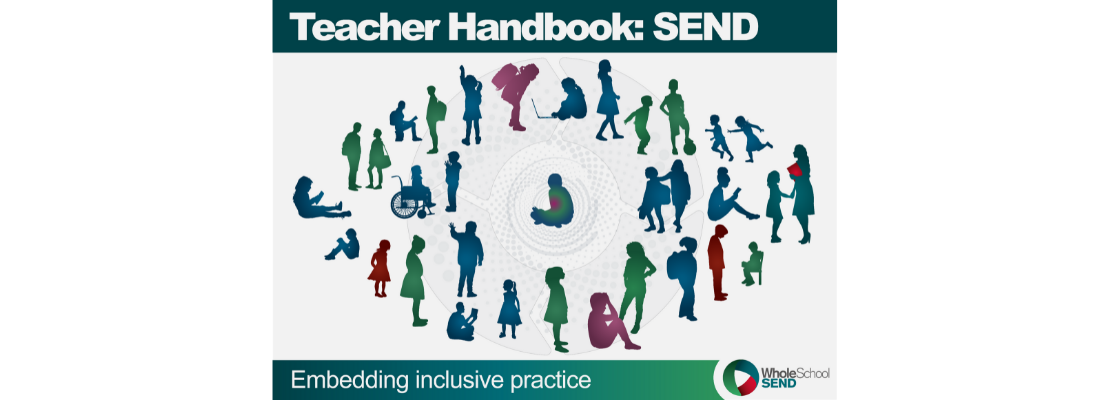
@nasen_org – the National Association for Special Educational Needs and Disabilities (#SEND) – has today (05.01.22) launched Whole School SEND’s Teacher Handbook: SEND – Embedding inclusive…
Matt Hancock’s proposal to introduce screening for dyslexia to all students at primary school level is a positive, if somewhat late, move in the right…
A considerable number of people are still arriving in adulthood without any diagnosis or understanding of their neurodivergent traits (ASC, DCD, dyslexia, dysgraphia or other…
Please confirm you want to block this member.
You will no longer be able to:
Please allow a few minutes for this process to complete.