
MPs ‘deeply alarmed’ by Grok AI images, says Education Committee Chair
MPs are “deeply alarmed” by recent reports of the Grok AI chatbot being used to create undressed and sexualised images of women and children, the…

Safeguarding is the action that is taken to promote the welfare of children and protect them from harm. But it also applies in the workplace.
Safeguarding means: Protecting children from abuse and maltreatment. preventing harm to children’s health or development. Ensuring children grow up with the provision of safe and effective care.
There are 6 main principles, as outlined in the Care Act; empowerment, prevention, protection, proportionality, partnerships and accountability.
Empowerment is all about giving individuals as much freedom and power over decisions made about themselves as is reasonably possible.
Preventing neglect, harm and abuse is at the core of safeguarding. This makes prevention the most important element.
Protection refers to the core act of giving vulnerable people care and support when they need it.
This includes protection from physical to psychological abuse. The Care Act insists that those who deal with safeguarding be fully ready to give people protection through a range of different services and interventions.
There is no one-size-fits-all approach, particularly as many elements of it are hugely sensitive in nature. As a result, proportionality is considered an element, meaning that it’s important that every case is dealt with individually and with all the facts taken into account, without excessive intrusion.
Safeguarding should be a communal process rather than the sole responsibility of certain individuals.
There are many reasons for this, with the most important being that safeguarding is simply more effective where partnerships are created and incorporated into practice.
Following on from the communal aspect of safeguarding is accountability. Accountability in safeguarding means that while named employees are most responsible for safeguarding, it’s up to everyone to do their part.

MPs are “deeply alarmed” by recent reports of the Grok AI chatbot being used to create undressed and sexualised images of women and children, the…

Colleges are now operating in an environment where the traditional markers of credibility have weakened to the point of near collapse. Information that once arrived…


40 per cent of young people don’t know what an algorithm is, and 43 per cent don’t realise algorithms shape what they see online, resulting…
Overview It is a statutory obligation for those with a lead or designated professional role for safeguarding to meet a ‘robust two yearly training’ requirement.…

A National Challenge Hiding in Plain Sight Across the education sector, and particularly in Further Education (FE), a pressing challenge continues to emerge: the need…

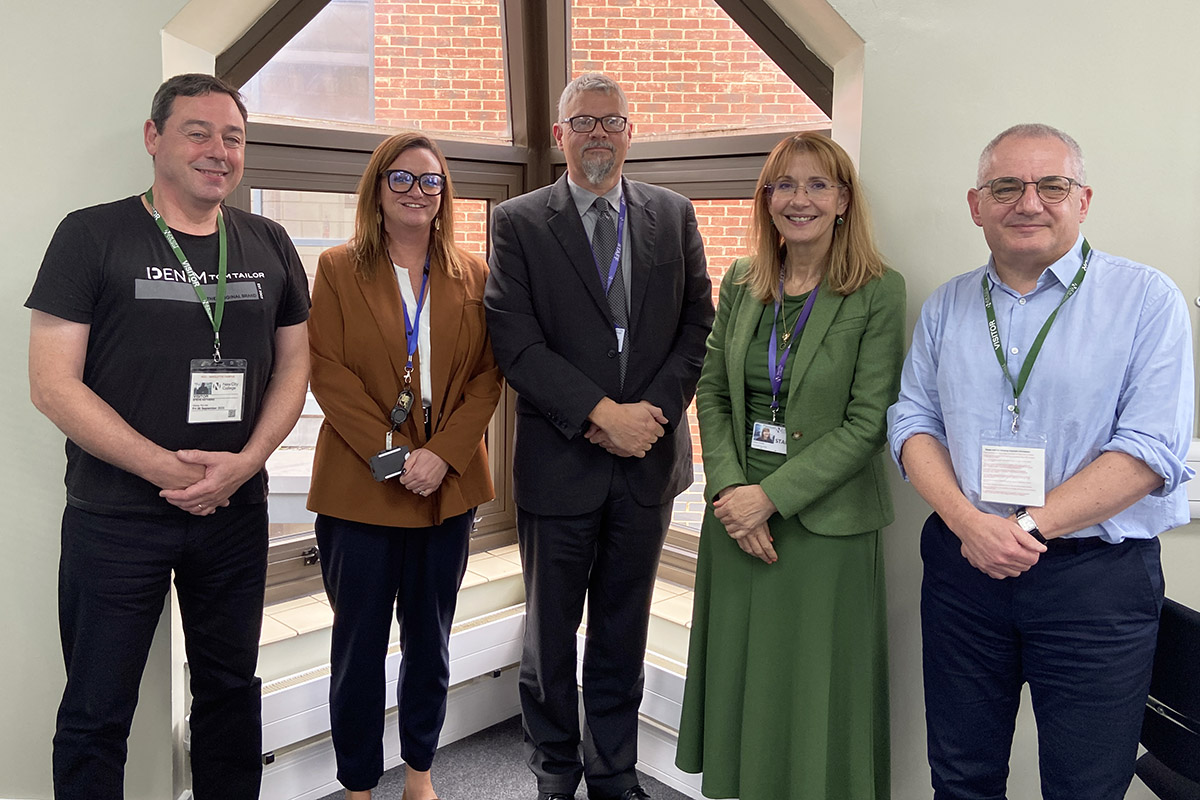
New City College recently hosted two influential education figures to find out more about the brilliant work being done through NCC’s highly-regarded tutorial and enrichment…

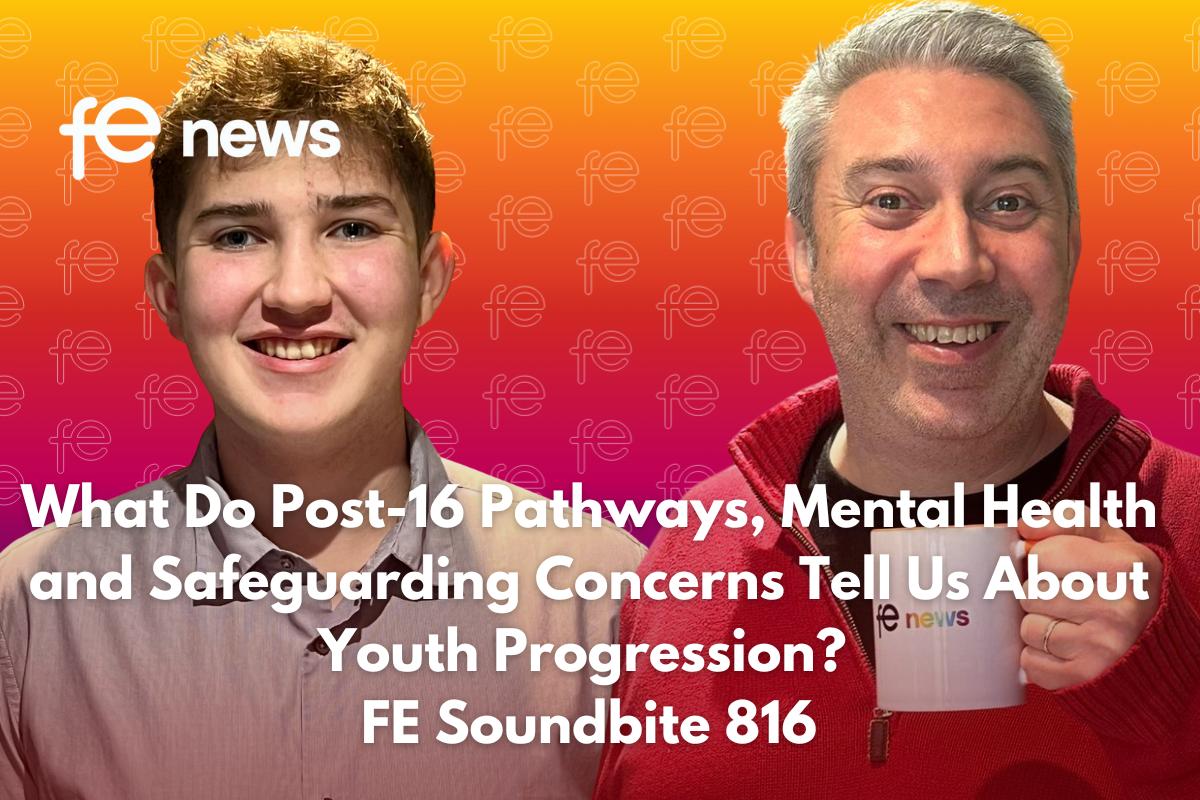
Welcome to FE Soundbite Edition 816: 27th September 2025 What Do Post-16 Pathways, Mental Health and Safeguarding Concerns Tell Us About Youth Progression? This is…


The UK Safer Internet Centre (UKSIC) has recently released updated Appropriate Filtering and Monitoring Definitions that represent a clear shift in digital safeguarding expectations for…

Students are increasingly falling victim to AI-driven exploitation, whilst others are unknowingly committing serious offences by creating and sharing explicit content. How can we combat…

In the first article of their series on safeguarding and tackling extremism, Palvinder Singh, Principal at Kirklees College, and Dr Vikki Smith, Executive Director, Education…

Please confirm you want to block this member.
You will no longer be able to:
Please allow a few minutes for this process to complete.