
Research sparks national campaign to include more nature on our TV screens

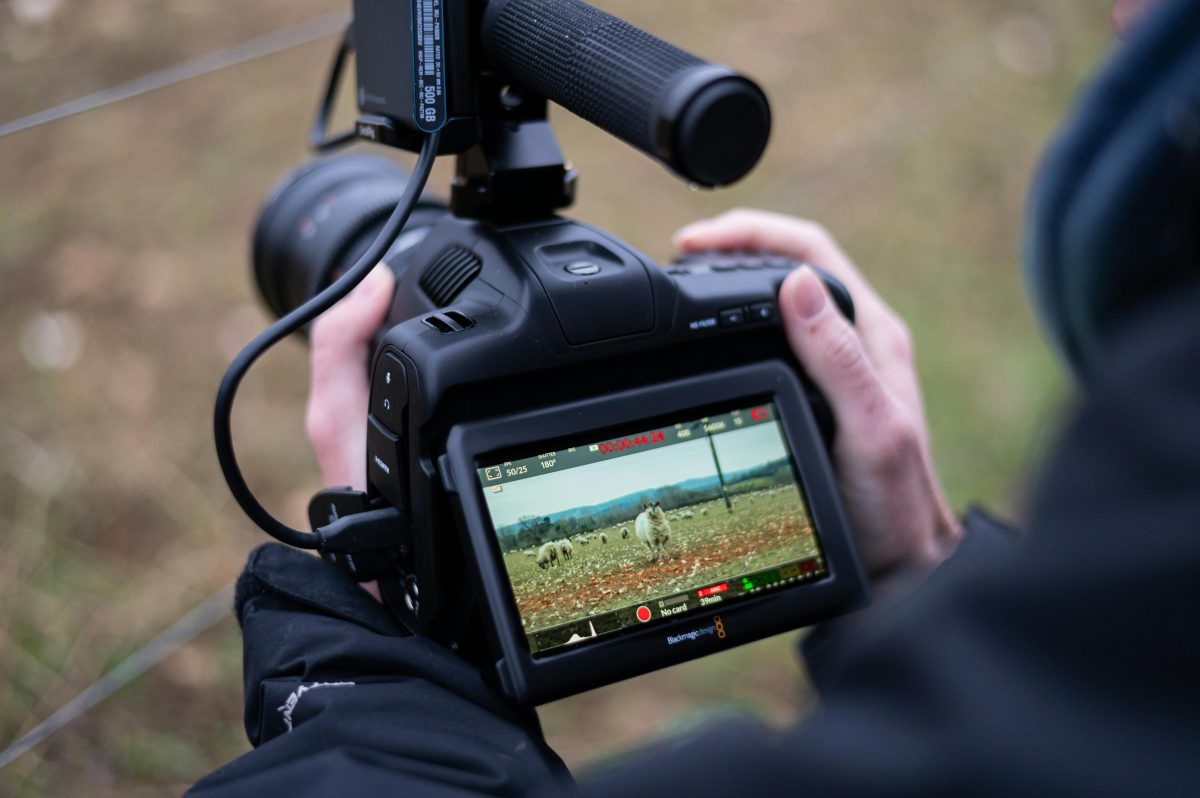
After research revealed Britain as one of the world’s least nature-connected nations, a national campaign is putting nature back in the spotlight – on our screens.
A study published in November 2025, led by Professor Miles Richardson, Professor of Nature Connectedness at the University of Derby, explored the differences between the most and least nature-connected countries and the societal factors behind them.
It found that low levels of nature connectedness are one of the three major underlying causes of biodiversity loss, alongside inequality and the prioritisation of individual material gain, with Britain being one of the least ‘nature-connected’ countries.
The findings are now included in a new initiative from BAFTA albert; a sustainability enterprise created by British Academy of Film and Television Arts that is designed to help the film, TV, and wider screen industries reduce their environmental impact.
The campaign – ‘Putting Nature in the Picture’ – aims to spark new ideas for the inclusion of the natural world across all genres of film and television to inspire audiences to reconnect with nature.
There is an in-depth Creative’s Guide that includes free resources to help voices shaping the industry to include the natural world authentically in creative development, alongside a short film that celebrates nature content across genres.
The film – voiced by Asim Chaudhry from TV shows including Black Mirror and Dirty Business – has been created as part of the programme, with contributions from major organisations such as BBC, Netflix and Warner Bros. Discovery.
Professor Richardson’s Nature Connectedness research is renowned across the world, having previously collaborated with organisations including the World Wide Fund for Nature (WWF), National Trust and Royal Society for the Protection of Birds.
He said:
“I am delighted that our research undertaken at the University of Derby has been used as part of this important campaign.
“Nature connectedness is not just about what we do, but how we feel, think, and value our place in the living world.
“We need to find new ways to reintegrate natural thinking in our highly technological world. Changing culture is never simple, but by mainstreaming the value of nature, making it integral to our wellbeing, it becomes something people truly respect and want to protect.”
Catherine Ellis, Head of Climate Content, BAFTA albert, added:
“As storytellers we know the stories we tell shape what people see. And what people see shapes what they care about. The screen industry undoubtedly has an opportunity here to make real world impact through storytelling.
“There are already so many excellent examples of creatives and commissioners actively putting nature in the picture, including and beyond what you see in our short film and Creative’s Guide. This initiative from BAFTA albert seeks to celebrate this incredible content and inspire even more creatives to harness the power of nature in their storytelling.”
Nature connectedness is a psychological concept that measures the closeness of an individual’s relationship with the natural world and other species.
Research at the University of Derby shows that people with higher levels of nature connectedness enjoy improved wellbeing and are more likely to act in environmentally friendly ways.
Responses