
FE in Limbo as Starmer Announces September Exit

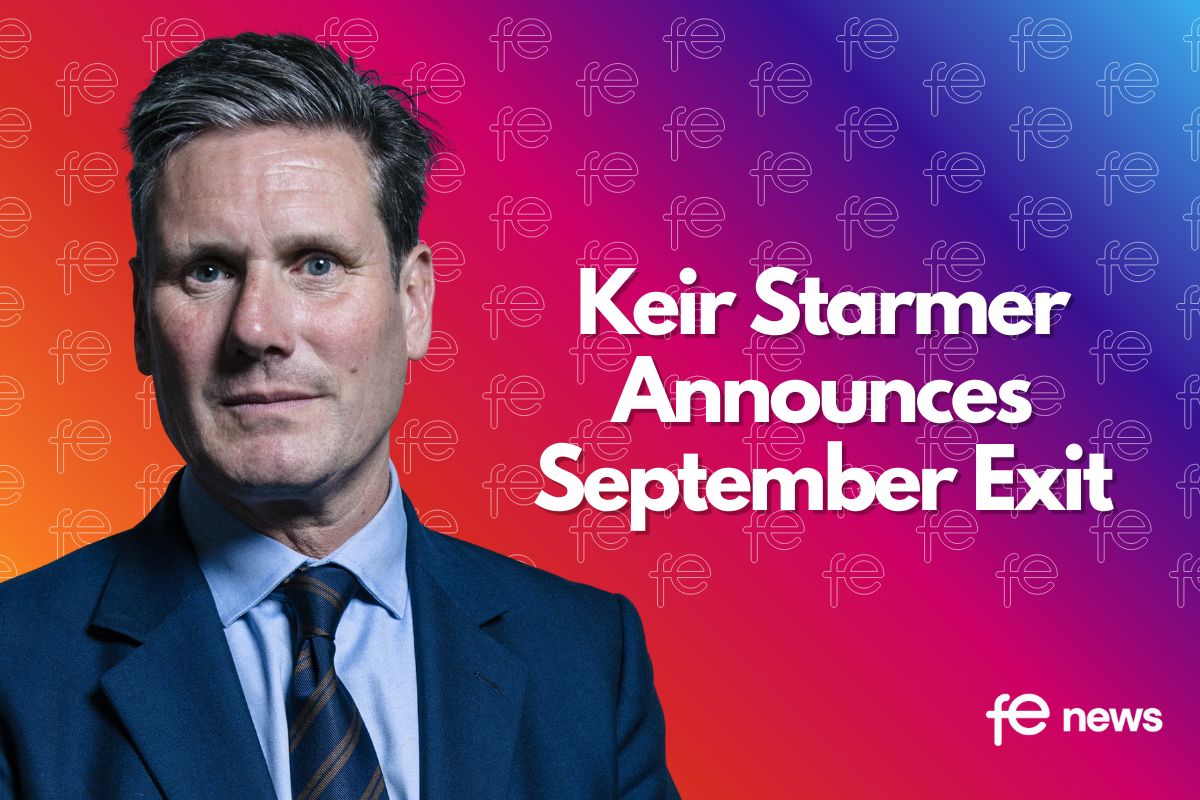
With a new Labour leader not due until parliament returns in September, the sector faces a summer of suspended decisions at a moment when several major reforms are still being implemented.
Keir Starmer confirmed this morning that he will resign as Labour leader and prime minister, telling reporters outside Number 10 that he had heard his party’s verdict on his leadership and accepted it. He will stay on as caretaker while the party chooses a successor.
The Labour NEC has been asked to open nominations on 9 July and conclude the contest by the summer recess, meaning a new leader and prime minister should be in place before parliament returns in September. Andy Burnham, newly returned to the Commons, is the clear favourite, though a contest is not guaranteed and Wes Streeting has signalled he may stand. Candidates need the support of a fifth of Labour MPs to make the ballot.
For further education and skills, the immediate consequence is not who wins but the pause itself. A leadership contest and handover running through August leaves little room for forward movement on policy, and the major decisions of recent months now sit with whoever emerges in the autumn.
That matters because the sector’s agenda is unusually full. Skills England is still establishing itself, the move to V Levels and wider qualification reform is live, apprenticeship reform continues to work through the system, and the Education for All Bill announced in the King’s Speech is still making its way through parliament. Each of these is likely to slow while the party turns inward, with approval effectively deferred to a new leader and any reshuffle that follows. The most pressing question for providers is whether Bridget Phillipson stays at Education.
If Burnham does take the keys, the sector gains a prime minister more invested in technical education than any in recent memory. His time in Greater Manchester was built around the MBacc, the GMACS careers and apprenticeships service, a strong tilt towards degree apprenticeships, and an argument rooted in devolution for closing the gap between academic and technical routes. How much of that survives contact with the Treasury and a national brief is the open question, and not everyone in the sector is convinced the Manchester record was as substantial as the billing.
For now, colleges, training providers and awarding bodies will be watching the leadership timetable as closely as Westminster. The direction of skills policy for the rest of this parliament rides on who wins, and on who they put in charge of education.
Sector Reaction
Daniel Kebede, general secretary of the National Education Union, said:
“The country had seen enough of Keir Starmer’s government to know that it is not going to deliver the meaningful change that was promised by Labour two years ago.
“Polling released by the NEU this weekend shows that only 5% of NEU members think that the Government have performed well on education over the last two years.
“Keir Starmer was wrong to claim credit today for ending austerity. Part of the reason why his Government is so deeply unpopular is that they have failed to fix the funding crisis in schools, which risks condemning another generation of children to bear the brunt of austerity-level school budgets.
“If we have more of the same from our next Prime Minister, we risk sleepwalking into the disaster that would be a Reform UK government. The stakes could not be higher. Whoever does replace Keir Starmer needs to set Britain on a different economic path and deliver fundamental change. That change must start with our schools and colleges.”
Jane Harris, Chief Executive of Speech and Language UK, said:
“Today’s political uncertainty must not be allowed to delay the urgent reform children with special educational needs and disabilities have been promised.
“Too many children with speech and language challenges are already waiting too long for support, being misunderstood in classrooms or missing out on the help they need to learn, make friends and thrive.
“The current government has been listening and talking to our speech and language experts, to children, young people and their families as part of its consultation on how to reform the SEND system.
“Whoever becomes the next Prime Minister, they too must listen and act on what’s been said.
“The next Prime Minister must commit to a system that identifies children’s speech and language support early, gives teachers and early years professionals the training and support they need, and legally protects specialist help for children whose needs are most complex, including the 1.3 million with Developmental Language Disorder (DLD).
“Children should not have to wait for political stability before their needs are understood. So SEND reform must continue – but it must be done properly, with children and their families, and teaching and support staff, at the centre.”
Responses