
NAO sets out eight recommendations to strengthen DfE oversight of local bodies

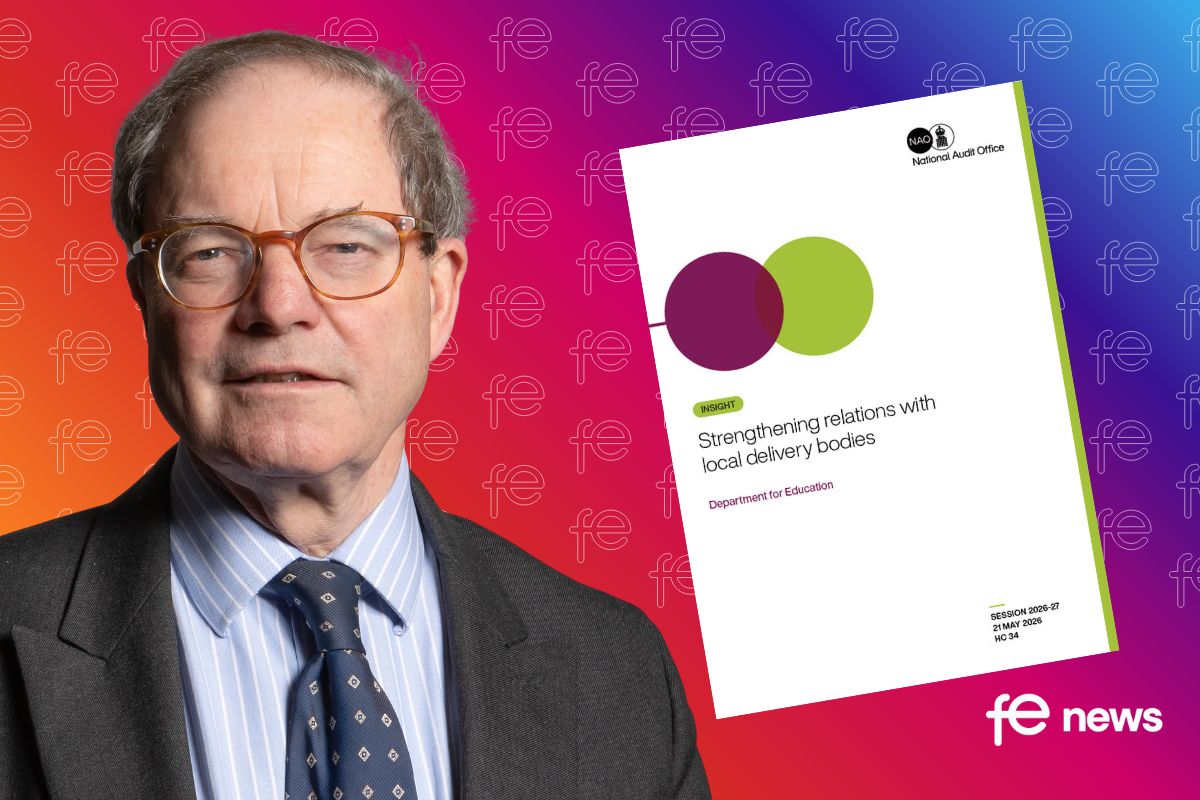
- The NAO has set out eight recommendations to help strengthen DfE’s oversight of local bodies across the schools, early years and children’s social care sectors.
- These recommendations includeestablishing a national vision, adopting a whole-system approach, and finding more opportunities to identify and share good practice.
A new report by the National Audit Office (NAO) sets out a series of actions that can help the Department for Education (DfE) strengthen its oversight of local bodies to deliver the best outcomes for children and young people. This including being clear on responsibilities, collecting and using more insights on what works and costs, and targeting support and guidance where it can have most impact.
To carry out its responsibilities and achieve its strategic objectives, DfE relies on local frontline providers across the schools, early years and children’s social care sectors. These include over 20,000 state-funded mainstream schools, over 50,000 early years settings, and 4,900 children’s homes providers offering places for around 35,000 children.
The NAO’s work has regularly highlighted the importance of central government departments working effectively with local bodies. Using this insight, we have set out eight recommendations to help strengthen DfE’s oversight of local bodies.
- Establish a clear vision and ensure it is coherently translated into local performance measures, so local decisions consider the outcomes wanted by DfE.
The DfE has set out its overarching vision, framed around opportunity, to break down barriers and ensure that every child, regardless of their background, has a chance to succeed. A clear vision avoids local bodies making choices based on short-term pressures and affordability rather than prioritising overall outcomes.
- Set out clear, transparent systems so all parties, including DfE, fully understand where responsibilities for delivering outcomes lie, and any misalignment is addressed.
Clear roles, including for DfE, give organisations the confidence to act and help avoid defensive, fragmented or risk-averse decision-making.
- Collect and use proportionate and reliable cost and outcome data to understand how funding is used and make informed decisions.
Across government, poor and incomplete data often makes it difficult for departments to understand what is being achieved and at what cost. This makes it harder to identify opportunities for improvement and to build an understanding of costs to inform decision making.
- Target support and guidance, informed by insights into organisations’ capabilities and local context, where it can have the greatest impact.
The NAO has seen differences in how DfE targets guidance and support based on its understanding of organisations’ skills, knowledge, and local challenges.
- Be clear on the standards expected from local bodies to ensure realistic expectations and clarity on when DfE will intervene.
DfE can step in when local bodies do not meet expected standards. To do this effectively, DfE must be clear when it has the power to intervene and the reasons for doing so – this begins with clear, well-defined expectations to help local bodies know what DfE expects.
- Strengthen the identifying and sharing of good practice, insights and data through making best use of information and channels available.
As many frontline providers face similar challenges, they can share data, lessons and good practice. DfE’s unique role provides an opportunity to support this.
- Use whole-system approaches and work with wider government to share funding, priorities and expectations.
The NAO’s previous work has shown how effective collaboration can be affected by accountability structures, priorities, data-sharing and culture.
- Ensure that local accountability arrangements are supported and regularly reviewed so they adapt and remain effective.
For these arrangements to work well, DfE must make sure stakeholders have the information they need and understand how effectively local mechanisms operate as circumstances change.
A statement from Sir Geoffrey Clifton-Brown, Chair of the Committee of Public Accounts:
“The Department for Education (DfE) provides significant funding to front-line education providers; in 2024-25, it provided £80 billion to support millions of children in early years settings, mainstream schools and social care providers. DfE relies on local providers but it remains ultimately accountable for how this money is spent, therefore it must set out a clear vision and provide the right support so that local providers make decisions not on short-term pressures but on strategic outcomes. DfE must also understand what frontline providers achieve by using reliable cost and outcome data, and proactively share examples of good practice to help providers improve outcomes.”
Responses