
Milburn Review names University of Derby as a model for civic impact

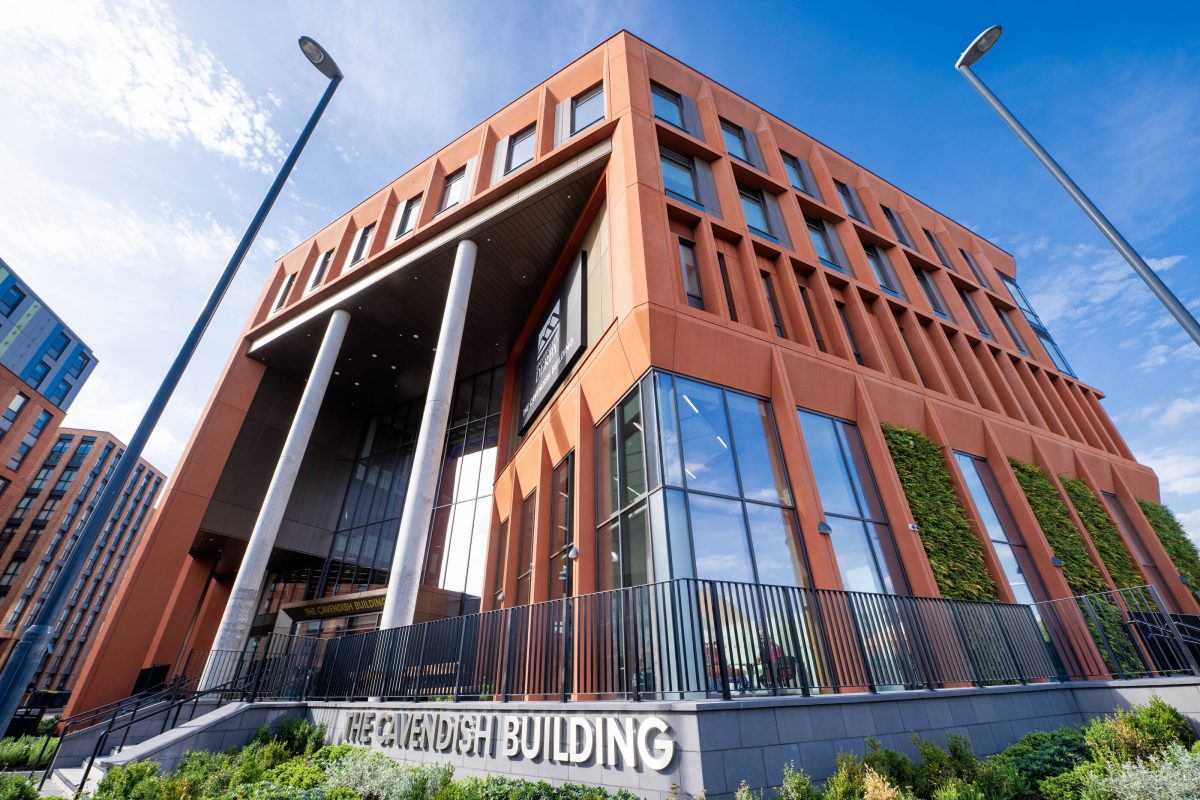
The University of Derby has been recognised in a government-backed review as an example of how universities can act as anchor institutions, supporting local communities, driving regional regeneration and boosting economic growth amid rising numbers of young people not in education, employment or training.
The eagerly anticipated Milburn Review examines why youth unemployment and economic inactivity is rising and the barriers young people face when accessing education, skills and employment.
It makes recommendations across several areas of government, from education to health and the welfare system, with the aim of reducing the rate of 16 to 25-year-olds who are not in education, employment or training (NEET) from 13 per cent to 5 per cent by 2036.
The Milburn Review specifically highlighted the University of Derby’s presence across Derby, Chesterfield and Buxton, alongside its investment in Derby city centre, as an example of how universities can play a leading role in the places they serve.
Professor Kathryn Mitchell, CBE DL, Vice-Chancellor and Chief Executive of the University of Derby, has welcomed the recognition and highlighted the important role universities have in supporting young people.
As Chair of the Government’s Higher Education Access and Participation Task and Finish Group, Professor Mitchell is recognised within the sector for improving opportunities for students from disadvantaged groups and areas of low participation to progress on to positive destinations.
Professor Mitchell said:
“We are pleased to be recognised in the Milburn Review as an example of how universities can make a meaningful difference as anchor institutions in the regions they serve. Universities educate and innovate, but they also renew places, and the University of Derby is proud to be recognised for its strong civic commitment.
“Universities have a vital role to play in addressing the challenges facing young people, by providing opportunities for higher education and by working in partnership with schools, colleges, employers and communities to develop skills and support their ambitions.
“We are committed to being a university that is deeply connected to the communities and economy we serve. Our ambition is to be at the forefront of the transformation of higher education, championing an approach that is industry-aligned, research-informed and student-centred and, in doing so, ensures that education creates opportunities, helps people fulfil their potential and supports local growth.”
Other key points from the Milburn Review include a guaranteed access to mental health services, a new benefits system for those under the age of 25, and £3,000 incentive for employers taking on someone considered NEET.
Recommendations for addressing the number of apprenticeships available to young people was also included. The former cabinet minister wants to double the number of young people completing an apprenticeship over the next decade and has also suggested a shake-up of the school curriculum to better prepare young people for the world of work.
Derby currently has a NEET rate of 6.3 per cent, ranking among the highest rates in the UK, according to the Office for National Statistics.
The University of Derby has a growing reputation as a leading institution for social mobility, ranking 27th nationally in the HEPI English Social Mobility Index.
Derby was named University of the Year at the UK Social Mobility Awards in 2020 and crowned a double winner in two categories at the 2025 NEON Awards – Contribution to Widening Access and Widening Access Partnership Award.
The University plays a central role in regional regeneration and skills development, contributing to major initiatives such as EMCCA’s Inclusive Growth Plan and the 10-year Staveley Regeneration project.
Alongside its employer-led pathways, the University’s strong civic and community infrastructure further enhances its impact. It chairs the UNESCO Global Network of Learning Cities UK, and its CivicLAB programmes connect research with industry, schools, and the wider community.
Industry engagement and employability is embedded throughout the student experience – from careers fairs and live project briefs to placements, year-in-industry opportunities, and close collaboration with leading employers of all sizes.
Responses