
AmplifyFE Community Space: How Can We Increase Engagement in Maths with Interactive Technologies?
Many maths learners find it difficult to connect with abstract course content, and as a result, not only do they struggle to learn the material,…
GCSEs (General Certificates of Secondary Education) are subject-specific qualifications taken in a variety of subjects by secondary school students aged 14-16 across the UK. They provide a strong foundation to progress to post-16 qualifications.
What GCSE reforms have been implemented?
In England, GCSEs have undergone significant changes in recent years moving from a prior modular structure to linear exams taken at the end. Course content has been updated across subjects like sciences, languages, and humanities to ensure rigor and better preparation for jobs, college, apprenticeships.
Grading also moved from the A*-G system to 9-1, aiming to better differentiate top performers. This does not imply a simple equivalence to the old A*-G tiers however. Ofqual provides guidance on interpreting the new scale aligned to the same national standards.
Wales and Northern Ireland still use A*-G grading, though follow similar curriculum reforms. Independent schools may adopt alternate assessments too.
Why are GCSE grades important for students’ futures?
GCSEs are a chance for 14-16 year olds to gain broad knowledge while developing critical thinking and exam technique. Good passes open access to sixth forms, colleges, apprenticeships or employment. Minimum C/4 grades in core subjects like math, English and science are often expected.
As foundational qualifications, GCSEs instill key learnings for specialised study like A-Levels and beyond. Doing well across a versatile range of subjects also keeps options open.
In England, students must study English language, English literature, maths, combined science, citizenship and PE. Three EBacc subjects – sciences, computer science, history, geography and languages – are also encouraged to age 16. Wales, NI and Scotland have similar core requirements.
Most schools mandate studying the compulsory GCSEs plus choices like arts, tech, humanities, languages allowing students to follow interests.
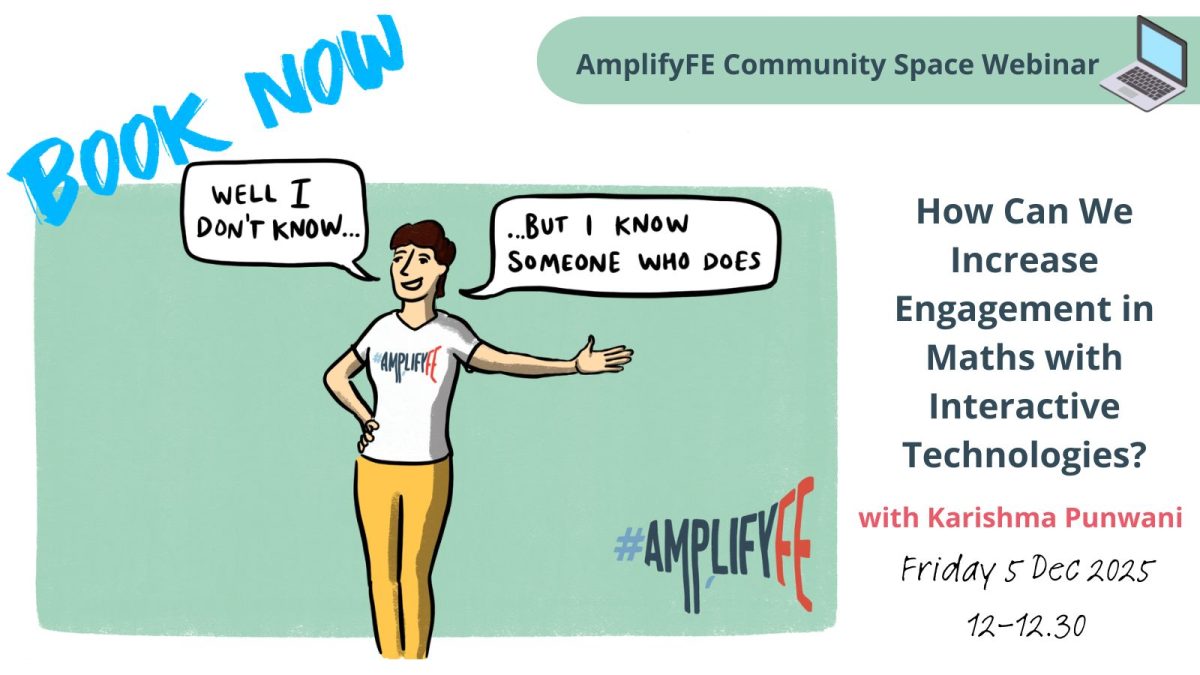
Many maths learners find it difficult to connect with abstract course content, and as a result, not only do they struggle to learn the material,…
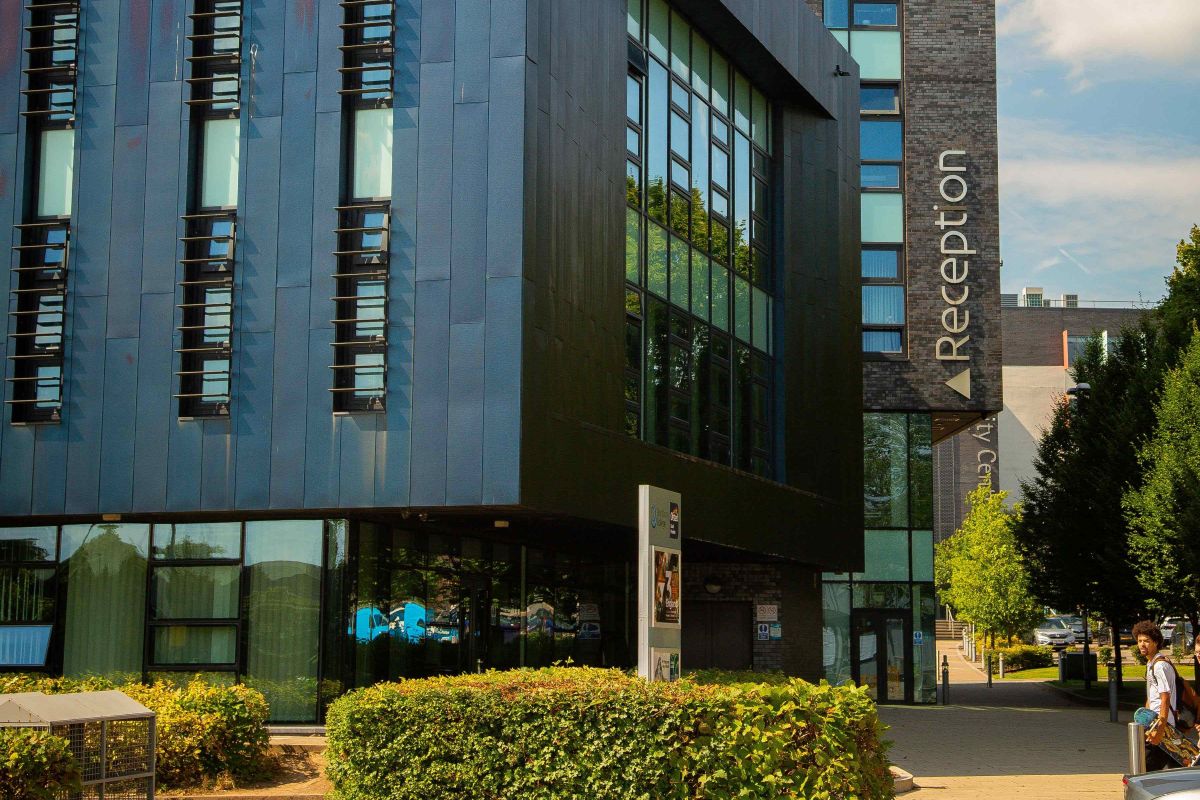
GCSE joy is not just reserved for secondary school kids, as adult learners studying at Blackburn College were overjoyed at achieved great results. Blackburn College…


It is disappointing and surprising to see that the number of students studying computing at GCSE has fallen by 4.4% this year. This is the…

Disadvantaged students are, on average, one-fifth of a grade behind in English and one-eighth of a grade behind in maths when resitting GCSEs, according to…

The Joint Council for Qualifications has published the results tables for the November 2024 GCSE series. These results comprise results for GCSE English language and maths…


When the exam results are announced each August, the media are, understandably, full of pictures of jolly teenagers jumping for joy. As happened this year, with…

Two incredible Bradford College students are set to compete in the Paris 2024 Paralympics starting this week (28th August to 8th September). Guillaume ‘Junior’ Atangana (25) and…

Most students who resit GCSE maths don’t gain a grade 4 or better by age 19. Stella Dudzic argues for a new type of qualification…

Maths education charity MEI makes the case for a new post-16 GCSE maths qualification to improve resit success rates and better prepare young people with…

Welcome to FE Soundbite Edition 753, July 6th, 2024: Are you ready for big changes in FE? This is the weekly e-newsletter and e-journal by…
Please confirm you want to block this member.
You will no longer be able to:
Please allow a few minutes for this process to complete.