
Barometer reveals lack of faith in government skills approach amidst a significant drop in planned apprenticeship recruitment

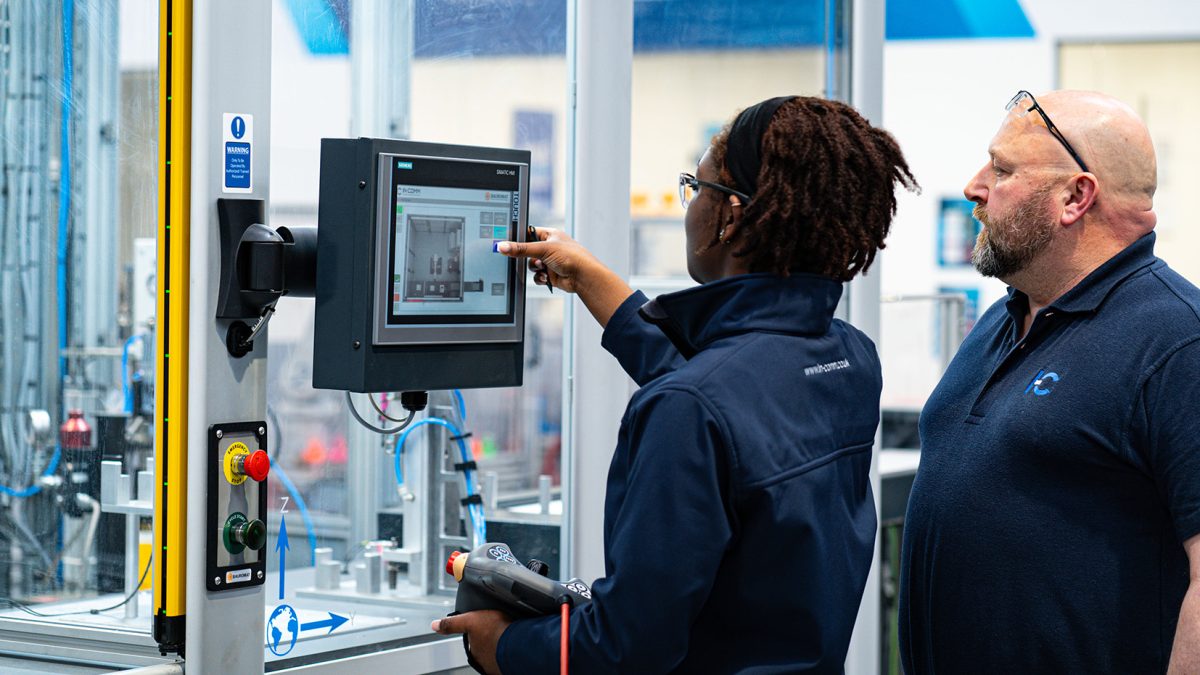
Engineering and manufacturing leaders have revealed the toughest ‘skills’ picture yet in the latest annual Training Barometer released by In-Comm Training today.
Nearly three quarters of businesses surveyed said they felt there was a lack of government support to address skills shortages following the budget last year, whilst only a third believe the Industrial Strategy is going to support their workforce development plans.
These concerns are reflected in an uncertain landscape, with less than half (46%) boosting training budgets and, worryingly, just 45% planning to take on an apprentice over the next twelve months.
This is the first time in the history of these findings that this number has fallen under half and is a massive 24% drop on recruitment intentions seen in 2025.
Staff retention has also been an issue for the 103 companies who responded. 58% of bosses they are struggling to keep employees, and this could be due to a difficult cocktail of circumstances, including an ageing workforce, wage inflation and changes to employment law.
Gareth Jones, Managing Director of In-Comm Training, commented: “Skills continue to be one of the pressing challenges for manufacturers and it appears the majority have lost faith in the government playing their part in helping them bridge the gap.
“Changes to skills provision and the pace it is being delivered is damaging engagement due to a lack of industry understanding and a belief that they will not deliver the skill levels required.
“It’s not difficult to see where the lack of confidence stems from. The removal of certain qualifications, defunding of some standards and reducing the level of competency involved in apprenticeships has left firms feeling the system is unwieldy and not fit for purpose.
“There has also been no increase in funding for engineering apprenticeships since 2020, whilst costs have risen astronomically in the same period. It begs the question, how are providers going to be able to maintain the same level of quality provision, whilst being squeezed from all angles?”
He continued: “All of this is translating into less of an appetite to invest in apprentices. A 24% drop in the number of companies planning to take on a new apprentice is more than worrying and should send shockwaves through the corridors of Whitehall.
“It feels that management teams are being battered at every possible turn with legislation, employment changes and then issues coming out of the conflict in Iran. There’s very little financial wriggle room to invest in the future.”
The In-Comm Training Barometer is one of the UK’s leading reports on the current skills and training landscape, providing critical data on provision, apprenticeships and company sentiment.
Releasing staff from core activities (55%) continues to be the biggest factor holding firms back from upskilling and this is exacerbated with just under two fifths not considering modular training, once felt to be a preferred upskilling option for employers.
This could be down to the apprenticeship units in the Skills & Growth Levy being up to 16 weeks, which many firms feel is too long to lose valuable employees for.
Nearly a third of all companies questioned are looking to boost leadership and management training, yet the government’s recent decision to defund Level 3 and above apprenticeship pathways in this area may reduce this demand over time.
Gareth went on to add: “Interestingly, 60% of respondents felt recent changes to the Skills & Growth Levy – particularly around modular, apprenticeship-aligned training – will add value to their organisations.
“As a provider we are currently looking at the details of these courses, considering if we can deliver them and if they add value to companies based on the content, length, feasibility and funding levels available to us.
“In my opinion, I believe the government has chosen this route to try and deliver some quick impact, rather than attempting the hard yards of changing legislation to better enable non-apprenticeship aligned training.”
Other key findings in the In-Comm Training Barometer, include:
- More than a quarter (27%) of firms feel the new funding for under-25 apprenticeships will make them more likely to recruit an apprentice
- 53% of respondents use apprenticeships to upskill their workforce
- 68% of businesses have invested in new technologies to improve productivity
- Just 17% of management teams are using AI to support workforce development, training or skills planning.
Responses