
The Level 3 assessment has changed. What gets early years apprentices to the finish line hasn’t.

As the revised Early Years Educator standard comes into effect, one nursery’s journey from Level 3 apprentice to Assistant Manager shows where employers and providers should focus
Early years training provider Parenta is urging employers and training providers not to let the Level 3 assessment reforms distract from what decides whether apprentices complete and progress. It points to a Scunthorpe nursery where one apprentice has gone from Level 3 learner to Assistant Manager.
The revised Level 3 Early Years Educator standard applies to new starts from 1 November 2026 and it replaces end-point assessment with the new apprenticeship assessment model, approved by Skills England under the 2025/2026 apprenticeship assessment reforms. Parenta is listed by Skills England among the stakeholders involved in creating the standard.
The stakes are high. The standard’s Trailblazer Lead has said Level 3 qualified staff make up an average of 59% of the workforce in private, voluntary and independent early years settings.
Lisa Roper, Head of Training, Quality and Curriculum at Parenta, said:
“Reform is the right moment to look at how we assess apprentices, but assessment was never the main reason learners succeed or fall away. What gets an early years apprentice to the finish line is the support around them in the setting and from their training provider, week in, week out. If employers and providers focus on that, the new model will do its job.”
Parenta highlights three factors, drawn from its work with employers such as Wise Owl Nursery, a 68-place setting in Scunthorpe with a team of 14 and apprentices studying at Level 3 and Level 5.
Employers who protect learning time
At Wise Owl, Nursery Manager Kate Gibb gives every apprentice protected study time each week, extra training and regular check-ins on their off-the-job hours. She also runs an open-door policy so apprentices can raise problems before they become reasons to leave.
Kate said:
“I operate an open-door policy for all apprentices, so if they are struggling, they know they can always approach me.”
Consistent tutor support
All of Wise Owl’s apprentices work with the same Parenta tutor, Harry, who previously ran a nursery himself. That continuity matters most when an apprenticeship gets difficult.
Apprentice Layyah said:
“There have been challenges that I’ve overcome since starting my apprenticeship. It was quite a rough start, but I overcame it with everyone’s help. I’d like to say a big thank you to Harry for getting me over the line in that final push at Assessment, and also to Kate, my manager, for putting her faith in me and supporting me.”
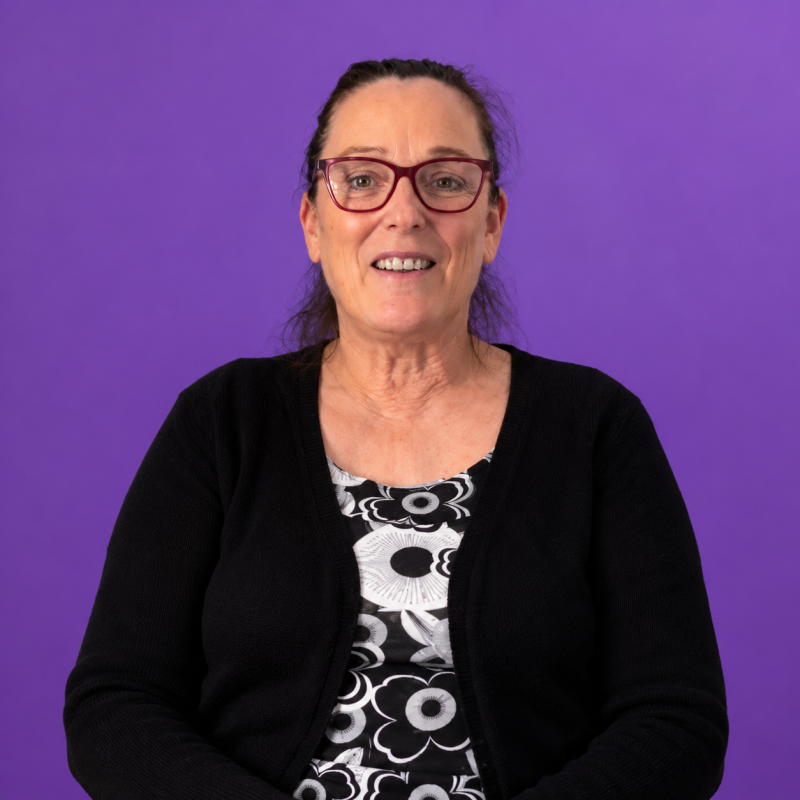
Layyah progressed from Level 3 to Baby Room lead, to Assistant Manager
Harry Wren, Parenta Tutor and Development Coach, said:
“The new assessment model changes how apprentices show what they know, but not the support they need to succeed. In my experience, most apprentices don’t struggle with the content itself. It’s when work, learning and personal commitments collide that challenges arise. As the same tutor across a setting, I build strong relationships, spot concerns early, and work with managers to keep apprentices on track.
A visible next step
After completing her Level 3, Layyah moved straight into a Baby Room Lead role. She then applied for the nursery’s Assistant Manager post and got it. She now supports Kate with the running of the setting and helps the nursery’s newest apprentices through their own training.
Kate said:
“Watching our Parenta apprentices grow in confidence and finally pass their Assessment is a beautiful thing, and we always celebrate each completion as a team.
Lisa Roper added:
“Layyah’s story is the clearest case for the Level 3 we could ask for. The sector’s workforce challenge isn’t only about recruiting new people. It’s about showing the people we train that there is a career here, and settings like Wise Owl prove that the ladder works.”
Responses