
Young Workers need new skills for a new age

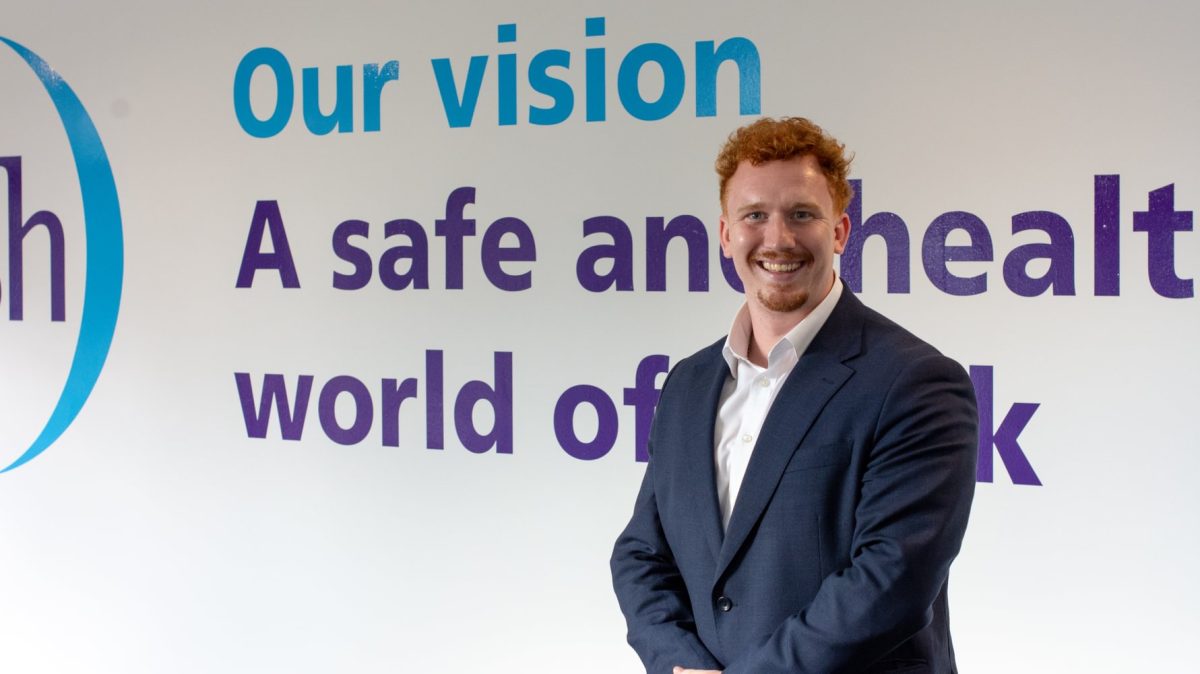
A new generation of UK workers needs to learn new skills for the world of work today and in the future if they, their employers and the economy are to thrive.
That’s the call made by the Institution of Occupational Safety and Health (IOSH), the global body for health and safety professionals based in the UK. It comes in the weeks before Alan Milburn is expected to announce his recommendations as part of a review into why so many young people in this country are economically inactive.
Through investment and effort focused on the skills agenda, IOSH believes employers and wider education systems can support young workers. For example, if young workers were helped and encouraged to improve attention skills, this would improve their ability to manage their workload, protect their wellbeing and help their employers deliver greater productivity.
IOSH wants to see businesses and education, backed by government, develop skills in young people that focus on health and safety; wellbeing; critical thinking; resilience, in terms of their ability to adapt to change; and digital literacy. These skills, which can be learned both in the classroom and through having wider experience of the workplace, will better equip young people for an ever more challenging world of work, making them fit for the future.
IOSH sets out a four-point plan for success, based on:
- Building young people’s skills, confidence and employability through access to good work and work opportunities
- Providing employment arrangements that match young workers’ needs and expectations
- Ensuring good job and workplace design and adapting systems to prevent, support and manage young workers’ unique risks from poor work design
- Strengthening young people’s resilience skills in-work and so helping them to self-regulate their attention levels and emotions, supporting them to navigate a changing world of work.
“Let me stress, this is not about hardening up a ‘snowflake’ generation but creating a system that develops and makes the most of young people’s talents,” said Macauley Quinn, at 26, IOSH’s youngest ever Vice-President.
“If we can achieve this, we can make a serious move on the country’s ambition to build productivity, generate economic growth and develop the confidence and future prospects of our present and future workforce.
“But this won’t happen if there continues to be a gap between what young people hope for and expect from work and what they believe to be the reality,” added Macauley.
“Evidence suggests young people are struggling to make the transition into work and, at the moment, they’re not being properly prepared for this transition.
“Employers are offering far fewer entry-level opportunities for young people to build experience in the workplace, often favouring older workers.
“This leaves the new generation uncertain about their future, fearful for their employability and short of focus.
“It’s not that young people are unskilled; it’s more that they do not have the right skills needed for work.”
A challenging new work environment for young people
The IOSH report details the new challenges facing young people in the world of work as new employment models are introduced in response to changing worker preferences, digital platforms and labour market conditions. It cites globalisation as having changed the way production is organised and so displaced jobs; technology is shown to have enabled remote work and platform work; and non-standard employment arrangements have become – and will continue to be – more common, offering greater flexibility and giving workers more opportunity to manage additional income streams.
All this has left only 49 per cent of young people feeling that they know what employers want. This uncertainty is also seen in the way that more than half (53 per cent) fear AI will take their jobs.
A recent IOSH YouGov survey (July 2026) revealed that 31 per cent of young people have considered leaving their job because its design negatively affects their safety, health or wellbeing; 34 per cent say they feel uncomfortable taking full rest breaks and fully switching off from work; while 15 per cent have taken time off work in the last year because of stress, anxiety or depression.
Four key things IOSH wants to see in the Milburn report:
- An expansion of high-quality work experience opportunities that gives every young person a meaningful route into employment
- Employers incentivised to design good work and create inclusive workplaces where young talent is welcomed, developed, integrated and able to thrive
- Investment in health and safety, wellbeing, resilience, digital literacy, reasoning, confidence and employability skills that help young workers get into and stay in employment, giving them the chance of success in a constantly changing world of work
- A commitment to ensuring that AI and digital transformations consider workers, including young people, and ensures that technology enhances opportunity, wellbeing and safe, healthy and fair work.
Two members of the IOSH Thought Leadership Panel, both IOSH Chartered Fellows, gave their views on what can be done to support young people faced with a challenging modern workplace:
Dr Nick Bell, said:
“Young people need opportunities to develop resilience, confidence and the skills to navigate the world of work. But we should be careful not to frame this as a problem with young people that needs to be fixed.
“Resilience is not simply about teaching and expecting individuals to cope with whatever work throws at them. Good work should itself help people develop confidence, competence, connection and a sense of purpose. These are fundamental human needs, though the ways we expect them to be met at work can change from generation to generation. The question isn’t ‘how do we change young people to fit the world of work?’, but rather ‘how does the world of work need to evolve to meet the changing needs and expectations of young people?’
“The temptation – and easy answer – is to see young people’s apparent reluctance to engage with work as a product of deficits in skills, attitude or ‘character’. Instead, I would look at the world of work through the eyes of a young person. Does it look like a world where their abilities will be recognised and nurtured? Will they find meaning, purpose and value in their work? How will they be able – and expected – to engage with others? What will they be able to achieve, and what will they gain from taking the risks and making the effort that work inevitably requires?
Michelle Stark, said:
“Preparing young people for work starts long before their first job. Education provides the foundation, but we must do more to bridge the gap between education and the workplace.
“Young people need the tools to understand risk, recognise their own limits, seek support when needed, and have the confidence to speak up. Through collaboration and support, education and business can close this gap, developing resilient young people who are equipped to thrive in the workplace”.
Responses