
Welsh Government owes young people a future, networking event told

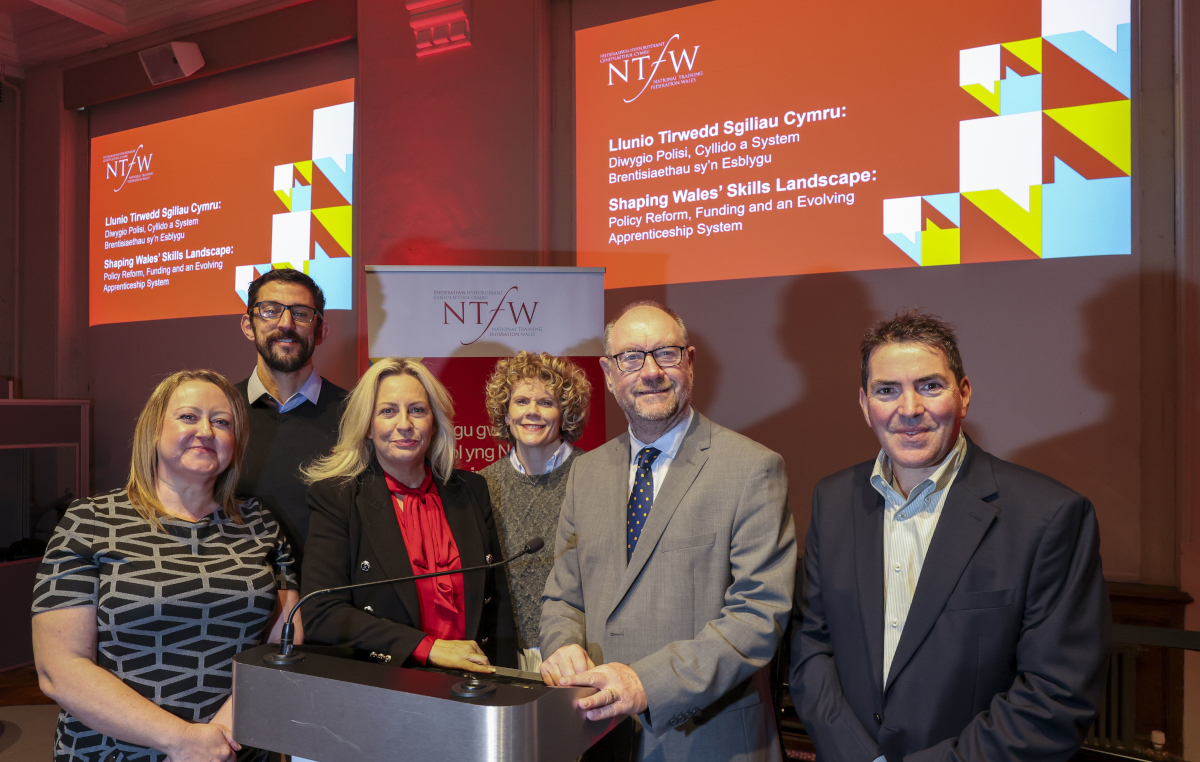
The Welsh Government owes the current generation of young people a future and must invest in skills, a National Training Federation for Wales (NTFW) networking event was told in Cardiff on Tuesday.
The event, held at The Pierhead, Cardiff Bay, followed last week’s Welsh Government draft budget, which proposed £28 million cuts to employability programmes and the freezing of apprenticeship funding.
“We cannot afford to lose another generation of talent – we must turn ambition into action with the right investment, recognition and collaboration across government, employers, providers and the wider sector,” said Lisa Mytton, NTFW strategic director. “We owe them a future and that means investing in skills, people and in Wales.
“Our strength is in working together, challenging where we need to and making sure skills and apprenticeships remain at the heart of Wales’ future.”
She thanked Cefin Campbell, Welsh Government Deputy Minister for Skills and Tertiary Education, for his commitment to collaborating with the NTFW and protecting apprenticeship funding in the Welsh Government’s draft budget.
Speaking at the event, the Deputy Minister said the Welsh Government faced difficult decisions in its draft budget.
“This networking event has demonstrated the power of partnership in transforming lives through skills,” he said. “By working together across government, employers and training providers, we are building a stronger, more prosperous Wales where everyone has the opportunity to develop the skills they need to succeed.”
The event brought together work-based learning providers and sector stakeholders to share their views on the implications of current policy developments. The event was sponsored by Kiera Marshall, Plaid Cymru MS for Caerdydd Penarth.
Challenges and opportunities facing learning providers, employers and learners during a significant period of change for skills and employability programmes in Wales were explored.
A packed audience was given an insight into the Welsh Government’s Skills Audit, feedback from a recent Skills Summit, latest developments from apprenticeships consultations and the success of Team Wales at the WorldSkills UK National finals held in Wales last week.
Rhian Edwards, executive director for policy and investment and Heather Davidson, head of apprenticeships, spoke about the evolving role of Medr in shaping funding priorities and the future apprenticeship programme. Medr funds and regulates the tertiary education sector in Wales.
Lisa Mytton said the event was a fantastic opportunity to bring people together from across the skills and apprenticeship sector to share experiences, have honest conversations about challenges and to explore the opportunities ahead.
“From celebrating the incredible talent and achievements of our learners through WorldSkills, to recognising the vital role apprenticeships play in supporting employers, growing our economy and transforming lives, one message was clear: we cannot deliver Wales’ ambitions without investing in skills and people,” she added.
“Apprenticeships are an investment in our economy, communities and future. We must ensure that young people have the opportunities, support and pathways they deserve to build meaningful careers here in Wales.”
Matthew Allman, the Welsh Government’s head of apprenticeships, spoke about the current consultation on the future of apprenticeships which closes on December 4.
The Welsh Government proposes to simplify apprenticeships through Apprenticeship Standards Cymru, strengthening employer relevance, learner access and Wales’ workforce and economy.
Ioan Matthews, Coleg Cymraeg Cenedlaethol chief executive, spoke about the organisation’s strategic plan for 2027-‘32 – Apprenticeships and the Welsh Language: Building Wales’s Bilingual Workforce.
The plan outlines how tertiary education and training can strengthen Welsh language use and build Wales’ bilingual workforce. It sets out three priorities: tertiary provision, the education workforce and learners’ journeys and experiences.
Coleg Cymraeg Cenedlaethol’s long-term vision is for learners to use, maintain and develop Welsh during tertiary education or training, supporting Wales’ goals of one million Welsh speakers and doubling daily use of the language by 2050, alongside economic growth.
Responses