
Energy and utilities sector needs 360,500 people by 2032 as industry sets out four priorities for action

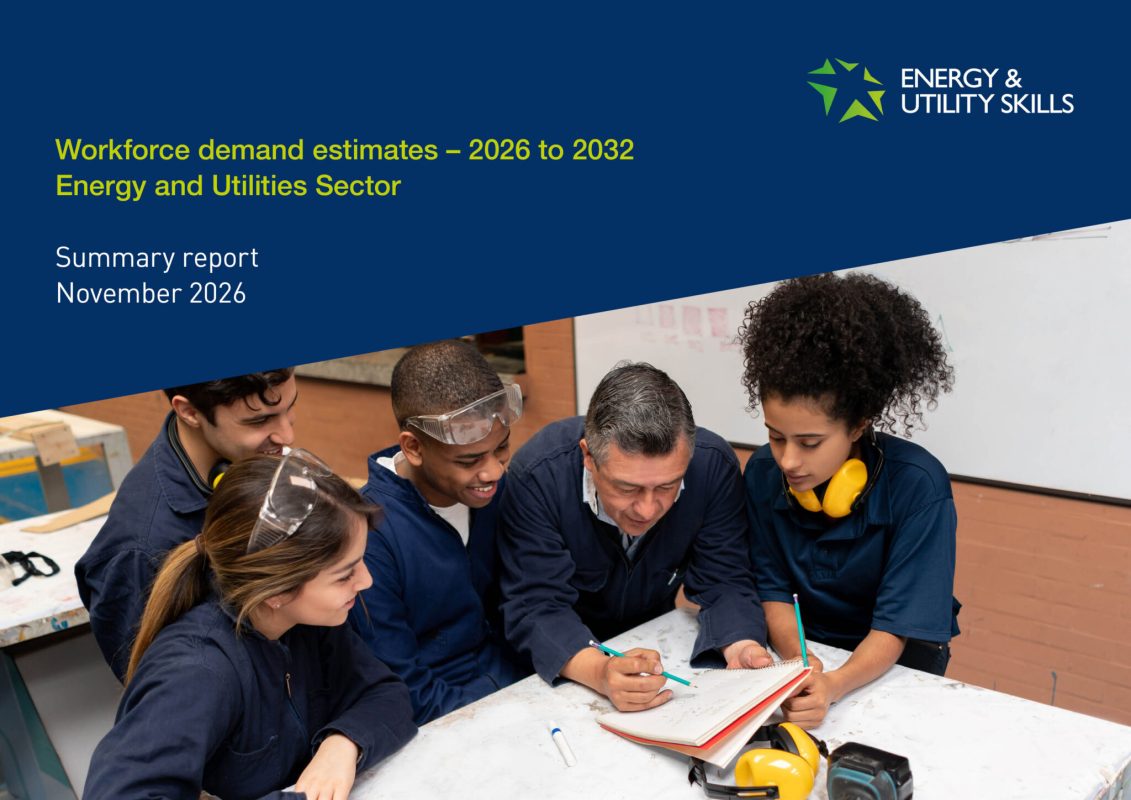
The UK’s energy and utilities sector will need 360,500 people between 2026 and 2032, according to new research published by Energy & Utility Skills Group.
The Workforce Demand Estimates 2026–2032 forecast 246,200 additional jobs and 114,300 retirements. The workforce is expected to grow by 36%, from 676,100 people in 2025 to 922,400 by 2032, reflecting major infrastructure investment and new technologies.
Paul Cox, Group Chief Executive of Energy & Utility Skills Group, said:
“A requirement for 360,500 people is a significant challenge, but it also tells a powerful story about the scale of growth, investment and ambition across energy and utilities.
“We should not look at workforce demand simply as a deficit to fill. We need to understand demand, attract people into rewarding careers, develop capability and retain the skills and experience we cannot afford to lose.
“Workforce growth then becomes an opportunity to create good jobs, strengthen communities and build the safe, skilled, sustainable and productive workforce needed to deliver the UK’s future.”
The research sets out clear objectives for organisations to help them meet their growth demands over the coming years.
Research: understand demand and act early
Updated every two years, the estimates examine demand by industry, occupation, skill level and geography. They give employers, policymakers and training providers a shared evidence base for recruitment, training and investment decisions, helping identify pressures before they constrain delivery.
Workforce Demand Estimates should be used alongside other sector research such as the Inclusion Measurement Framework and internal statistics to help organisations plan effectively for recruitment and retention.
Attract: build the workforce to meet the ambition
Demand is front-loaded, with 74,200 people required in 2026, 61,400 in 2027 and 51,400 in 2028. Some apprenticeship routes take three years or more, making early recruitment and training decisions essential.
Organisations should invest in apprenticeship development, sector entry programmes and share collective intelligence to help recruit enhanced numbers of people into the sector at pace.
Develop: build capability and unlock productivity
AI, automation, digital technology and new ways of working could change how work is delivered and improve productivity. For many engineering and operational roles, technology is likely to augment people rather than remove the need for human capability.
Investing in developing the skillset of existing employees through training and education will be an essential component of future growth.
Developing people and technology together will be essential, anticipating changing skills needs while ensuring innovation does not compromise safety, occupational competence or accountability.
Retain: protect skills, experience and knowledge
The core requirement covers growth and retirements but excludes people leaving for other industries or overseas. A separate sensitivity estimate puts potential sector-wide staff turnover at 143,000 people, equivalent to 21% of the current workforce.
Improving progression, mentoring, succession planning and knowledge transfer can help protect experience and reduce additional recruitment pressure.
Rob Murphy, Workforce Planning Consultant at Energy & Utility Skills Group, said:
“The value of these estimates is not simply the headline number. They help employers understand what is driving demand and which occupations, skills and locations need attention first.
“They are a planning tool, not a fixed recruitment target. Employers need to consider attraction alongside retention, workforce development, technology and productivity, recognising that requirements will evolve as investment and the labour market change.”
The Workforce Demand Estimates 2026–2032 were launched on 4 November 2026 as part of the webinar Building tomorrow’s workforce: The view from the C-suite.
Explore the Workforce Demand Estimates 2026–2032 and use the findings to inform workforce planning, recruitment, skills development and retention within your organisation.
Responses