
Bluebells Forest Preschool – From Childminder to Outdoor Nursery
When Kelly Welch, manager of Bluebells Forest Preschool, first began working in early years education, she had no idea that her journey would eventually lead…

An apprenticeship is a real job where you learn, gain experience and get paid. You’re an employee with a contract of employment and holiday leave. By the end of it, you’ll have the right skills and knowledge needed for your chosen career.
To embark on your apprenticeship journey, ensure you:
*You can apply for an apprenticeship while still in school.
Real Job, Real Pay: Earn a wage and enjoy holiday pay while working in your chosen field.
On-the-Job Learning: Work alongside seasoned professionals, gaining practical, job-specific skills.
Structured Training: Allocate time for training and study related to your role, whether at your workplace, a college, with a training provider, or online.
With over 600 different apprenticeships available, there’s a perfect match for every career aspiration. You can view all types of apprenticeships on GOV.UK.
The apprenticeship levy is paid by large employers with a pay bill of over £3 million. Currently, only 2% of employers pay the levy, which is set at a rate of 0.5% of their total annual pay bill.
Levy funds are used to pay for apprentices to achieve qualifications that are set out in their approved apprenticeship training programme and are deemed necessary to being effective in the job, such as a degree or a diploma.
Find out more about the Apprenticeship Levy here
Frameworks, developed by sector bodies, are used to assess apprenticeships. Frameworks are primarily qualification-focused. The main aim at the end of a framework is to have achieved a competency-based qualification, such as an NVQ, and a technical qualification, such as a BTEC.
A standard contains a list of the skills, knowledge and behaviours an apprentice will need to have learned by the end of their apprenticeship.
Standards are occupation-focused; they are not qualification-led. The learning happens throughout the apprenticeship. And the apprentice is assessed at the end. They need to prove that they can carry out all aspects of their job.
You could get a job with your current employer once you have finished. They might like to hire you because they trained you and know you can do the job well.
You could also:
You can watch videos of real apprentices talking about their experiences, including what they did afterwards.
Apprenticeships come in four different levels:
Intermediate: Level 2
Advanced: Level 3
Higher: Level 4 or 5
Degree Apprenticeship: Level 6 or 7
For equivalent educational levels, refer to GOV.UK.
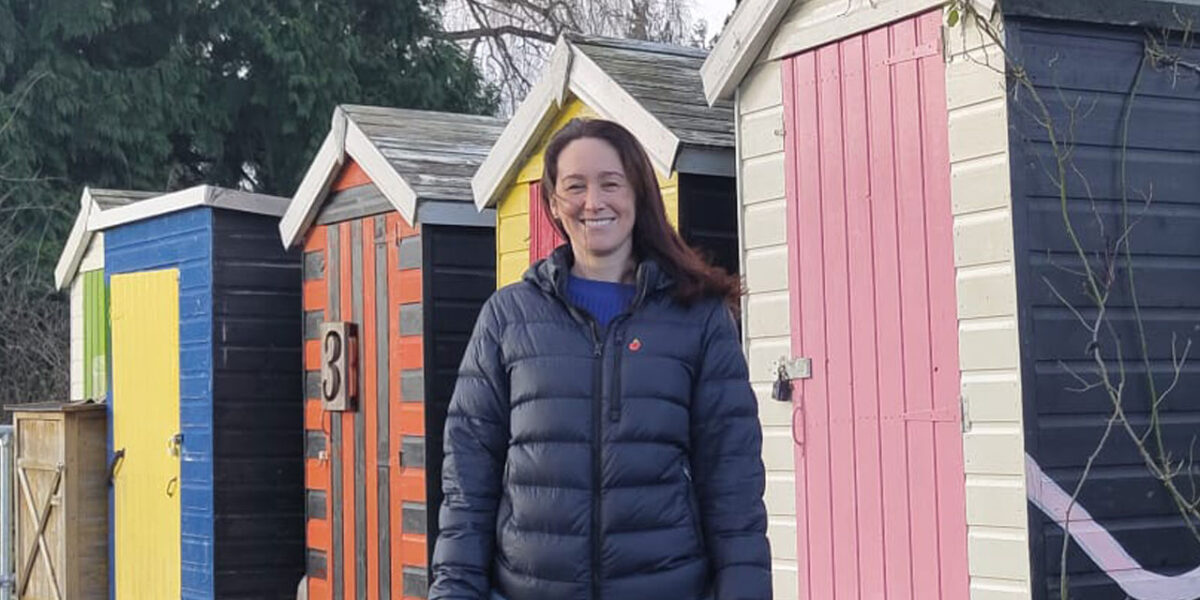
When Kelly Welch, manager of Bluebells Forest Preschool, first began working in early years education, she had no idea that her journey would eventually lead…

Over the past 30 years, Cambrian Training Company has grown from being a small subsidiary of Mid Wales Tourism, delivering vocational skills to support the…

Budding chefs at Welshpool High School have been putting their culinary skills to the test with guidance from the leading independent training provider to the…

The National Training Federation for Wales (NTFW) is fully committed to ensuring that apprenticeships are not only protected but prioritised in the next Senedd term.…

The 5% Club is delighted to announce Birmingham City University (BCU) as its newest Patron Sponsor, strengthening a shared commitment to creating pathways into high-quality…


Two new reports released today by independent education charity, Edge Foundation, highlight the growing demand for apprenticeships from young people and the barriers preventing small…

Prime Minister Keir Starmer has made a statement that Skills England is now going to be a part of Department of Work and Pensions. This…


Today City & Guilds announced that they have officially delivered over 100,000 EPAs (end-point assessments). As the largest apprenticeship provider in England, this major milestone…

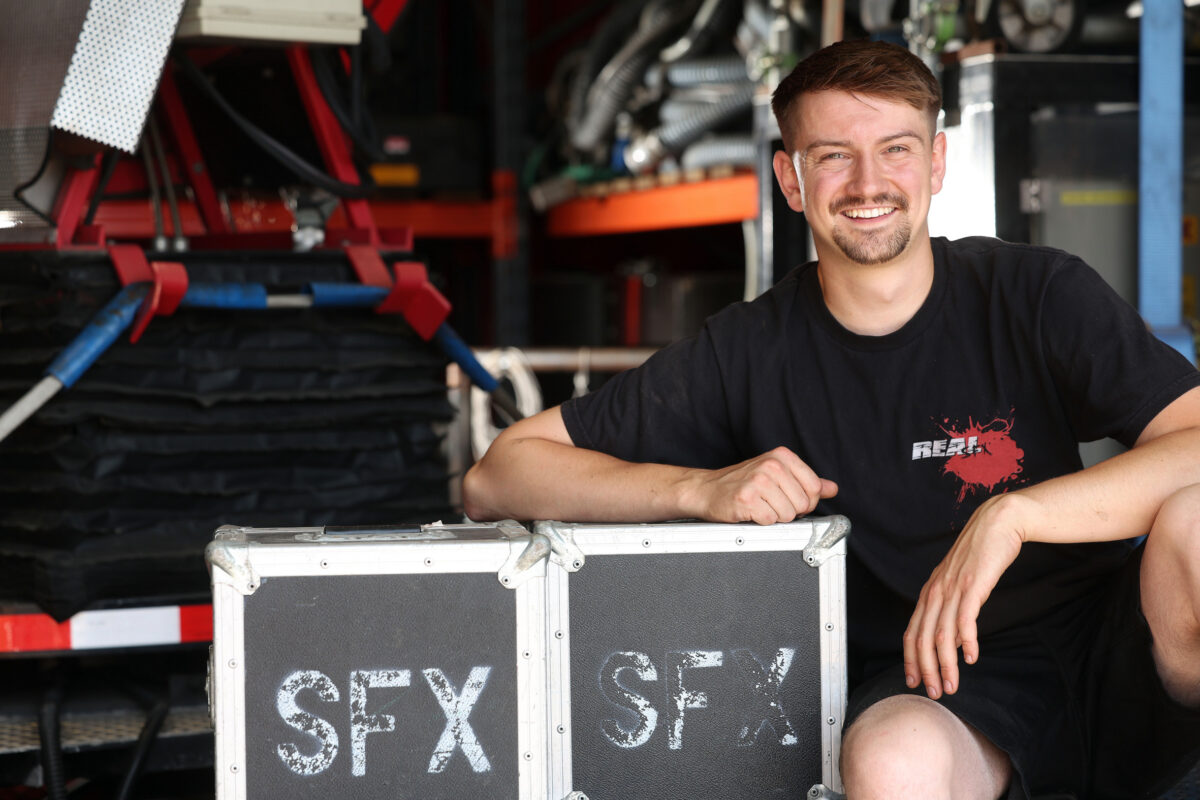
Will Hougham feels lucky to have been able to carry on working and learning as an apprentice special effects technician in his employer’s “work bubble”…

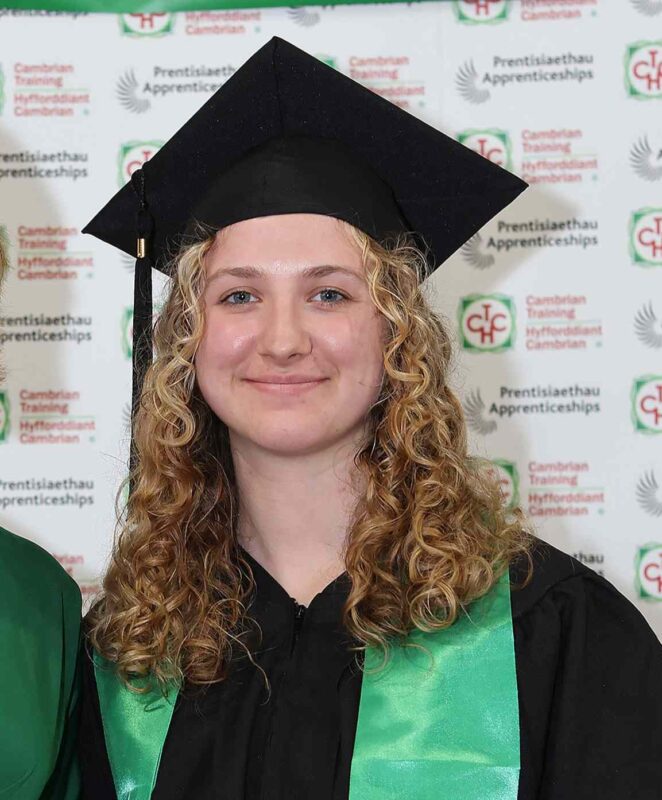
A 20-year-old Mid Wales chef, who this week aims to outcook rivals from across Europe, has been described as a role model for Welsh apprentices.…
Please confirm you want to block this member.
You will no longer be able to:
Please allow a few minutes for this process to complete.